

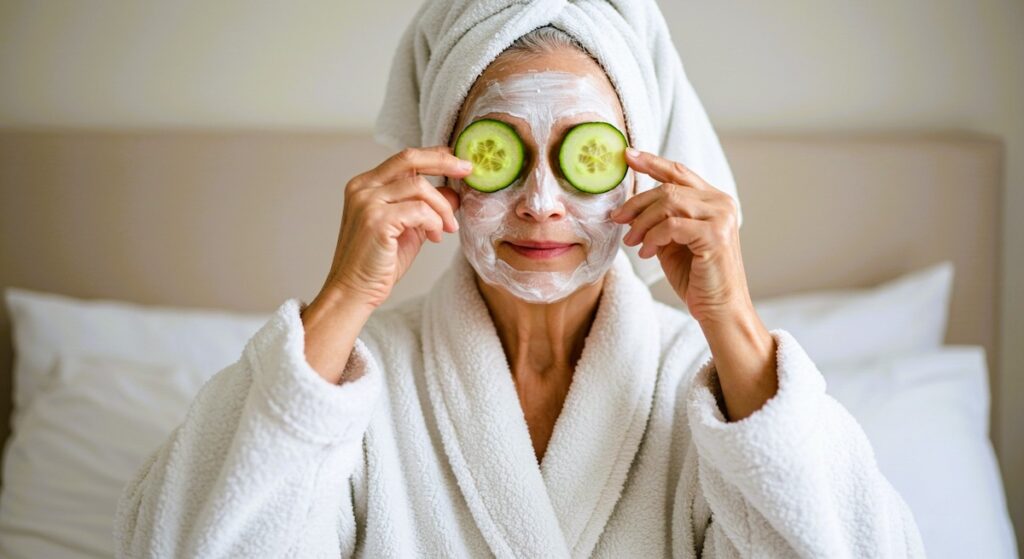
Self-care is more than just pampering yourself with bubble baths and face masks, though those can certainly be part of it. At its core, self-care is the act of taking intentional steps to preserve or improve your Health, well-being, and happiness. It’s about checking in with yourself, recognizing what your body and mind need, and then actually doing something about it. In today’s fast-paced world, the idea of slowing down to care for yourself might feel like a luxury. It is a necessity. If you’re constantly pouring from an empty cup—be it for work, Family, or other obligations—you’ll quickly run dry. Self-care is the refill. It helps you show up fully, not only for yourself but also for the people around you.
Whether it’s going for a walk, saying no to plans when you’re exhausted, journaling your feelings, or even just drinking enough water, self-care is deeply personal. It’s not one-size-fits-all. It’s what you do on purpose to maintain your overall health—mentally, emotionally, physically, spiritually, and beyond. Self-care isn’t selfish. It’s survival. And when practiced consistently, it can truly transform your quality of life.

From a psychological perspective, self-care is a critical component of emotional intelligence and mental wellness. It involves self-awareness, self-regulation, and self-compassion. When you practice self-care, you’re essentially tuning in to your internal world, acknowledging how you feel, what you need, and how you can meet those needs. Think of it as preventive maintenance for your Mental Health. Just like regular oil changes keep your car running smoothly, regular self-care keeps your mind clear and resilient. Studies in psychology show that people who prioritize self-care experience lower Stress levels, better emotional regulation, and even stronger Relationships.
Self-care also engages the parasympathetic nervous system—your body’s “rest and digest” mode. This helps counteract chronic stress, which has been linked to Anxiety, Depression, and physical illness. By practicing self-care consistently, you’re actually training your brain to manage stress more effectively.
One of the biggest misconceptions is that self-care is indulgent or narcissistic. Taking care of yourself doesn’t mean you’re neglecting others, it means you’re better equipped to care for them.
You wouldn’t expect a phone to function on 0% battery. The same goes for people. When you’re depleted, your patience wears thin, your energy plummets, and your mental Clarity gets foggy. But when you’re well-rested, nourished, and emotionally grounded, you’re able to give more to your relationships, work, and passions. Self-care isn’t about escaping responsibilities. It’s about managing them in a way that’s sustainable and healthy. In fact, it’s one of the most selfless things you can do—because it ensures you’re showing up as your best self for the long haul.
Self-care spans multiple areas of life, and it’s helpful to think of it in “pillars.” Each pillar supports a different part of your well-being. Physical Self-Care is the foundation of self-care. Your body is your home, and taking care of it is essential. Physical self-care includes getting enough Sleep, eating balanced meals and staying hydrated, regular physical activity, going for medical checkups and practicing hygiene and grooming routines. Physical well-being influences every other aspect of your life. When your body feels good, it creates a positive ripple effect on your mood, energy, and focus.
Emotional Self-Care is about understanding and managing your feelings. It involves practicing self-compassion and forgiveness, setting healthy emotional boundaries, and talking or journaling about your Emotions or possibly seeing a counselor if needed.
Mental Self-Care means your brain needs Love, also. Mental self-care includes stimulating your mind through reading or learning,taking breaks from screens and digital devices, practicing mindfulness or Meditation, and doing puzzles, games or creative activities. It is all about keeping your mind sharp, calm and engaged by not overwhelming it by the chaos of everyday life.
To practice Spiritual Self-Care, you don’t need to be religious. It’s about connecting with something greater than yourself. This includes spending time in nature, reflecting on your values and purpose, meditation or prayer and practicing gratitude. Spiritual self-care brings peace, clarity, and a sense of belonging in the universe.
Social Self-Care focuses on nurturing your relationships because humans are wired for connections. This includes spending time with loved ones, asking for support when you need it, joining communities that share your interests and saying no to toxic or draining relationships. Quality over quantity really matters here because it is about meaningful connections not just social media likes.
Professional Self-Care is important because your work life plays a huge role in your well-being. This includes setting boundaries at work, taking breaks and using your vacation time, pursuing Growth and learning opportunities and avoiding Burnout by managing your workload. We all know that work is part of our life, but it should not consume all of our life.
Money stress is real, and Financial Self-Care can help reduce it. This includes creating and sticking to a budget, tracking your spending habits, saving and planning for the future and seeking financial advice when you need it. Feeling in control of your finances brings a powerful sense of stability and freedom.
In later stages of life, self-care becomes more about reflection, maintenance, and Legacy. Many of us experience transitions like Retirement, becoming empty nesters, or facing health concerns. Key focuses:
This is a time to reap the benefits of self-care practices cultivated over a lifetime—and to enjoy life with renewed presence and peace.
Self-care and self-love go hand-in-hand. One cannot exist without the other. When you take care of yourself, you are telling yourself that you are worthy of love, respect, and attention. It’s a physical manifestation of emotional and spiritual self-acceptance. Self-love is about appreciating yourself, embracing your flaws, and being kind to yourself—even when you make mistakes. It’s rooted in the belief that you are enough as you are. Self-care becomes the practice that reinforces this belief. By caring for yourself, you build trust with your inner self. You prove that you can count on you to be there in times of stress, sadness, or growth. Self-care strengthens self-worth when you talk kindly to yourself, even in failure, because you are validating your worth. When you choose nourishing food or Exercise, you are telling yourself that you respect your body. And when you say “no” to others and “yes” to yourself, you reinforce that your needs matter. The more consistently you practice self-care, the more deeply you internalize self-love. The more you love yourself, the easier it becomes to maintain those self-care habits.
Self-care is easy when life is smooth—but it’s vital during hard times. Whether you’re going through a breakup, job loss, illness, or Grief, your needs don’t vanish. In fact, they become even more important. During difficult periods, self-care shifts from being a Lifestyle choice to a survival strategy.
Suppressing emotions isn’t self-care—it’s self-sabotage so allow yourself to feel. Let yourself cry, vent, or sit quietly with your feelings. Emotional release is healing. Sometimes, just admitting “I’m not okay” is the most powerful self-care step you can take. You don’t have to pretend you’re strong. True strength is in showing up as you are.
People often think self-care is soft, and discipline is tough. But they’re actually two sides of the same coin. Self-care gives you the fuel and clarity to be disciplined. Discipline helps you maintain self-care even when motivation fades. Think of self-care not just as “me time,” but as the foundation of a stronger, more capable version of yourself.
Self-care isn’t a trend, a luxury, or something to do when you have time. It’s essential. Your well-being doesn’t come after your to-do list—it enables everything on that list to get done better. Whether you’re building your routine from scratch or just trying to show up for yourself more consistently, the most important thing is to begin. Start small. Stay consistent. Be kind to yourself. Because when you take care of you, everything else begins to align.