

When we talk about needing the “perfect body,” it’s often more than just chasing abs or fitting into a certain dress size. For many, including myself, the perfect body represents something deeper—control, discipline, and personal satisfaction. It’s not about vanity, although that plays a part. It’s about feeling like your outer self-aligns with who you are inside. That reflection in the mirror can boost confidence, encourage healthier choices, and even alter the way others treat you.
In today’s image-driven society, physical appearance often correlates with success. Whether fair or not, people who appear fit and healthy are often perceived as more attractive, disciplined, and competent. That perception can influence everything from Relationships to career opportunities. Wanting the perfect body isn’t just about aesthetics; it’s about unlocking those advantages that come with it.
Moreover, striving for a perfect body often initiates positive life changes. You start exercising regularly, eating more consciously, sleeping better, and becoming more aware of your Mental Health. Your entire Lifestyle upgrades because you’re chasing a vision that requires effort, patience, and consistency.
For me, needing the perfect body is also about self-respect. When I treat my body well—by nourishing it, training it, and pushing it beyond its limits, I feel proud. That pride translates into greater self-worth. It’s a ripple effect: confidence spreads into how I talk, walk, and work. People notice, and life begins to respond differently. No body is truly “perfect.” Perfection is subjective. But striving toward your ideal version of Health and fitness can fuel your ambition in ways nothing else can. And that’s why the journey toward the perfect body is one worth taking.

The idea of the “perfect body” has transformed dramatically over the decades. In the 1950s, curvier figures were glorified; by the 90s, super-thin was in. Now, we’re seeing an era that worships lean muscle and hourglass shapes—often driven by Instagram influencers and Hollywood celebs. What’s ideal today may be outdated tomorrow. This inconsistency can wreak havoc on anyone chasing the latest “ideal” physique. Media heavily influences our perceptions. Magazines, movies, and even cartoons contribute to how we define beauty and fitness. These standards often exclude the majority of real bodies. The dangerous part? Many people, especially youth, try to conform to these shifting ideals, sometimes risking their health in the process.
Society’s standard doesn’t have to be yours. Just because the world tells you that a six-pack is the mark of fitness doesn’t mean you need one to feel confident. The perfect body, when defined personally, becomes a source of empowerment instead of pressure. Everyone has their own image of what perfection looks like. For some, it’s a sculpted body with minimal fat and maximum muscle. For others, it’s simply being able to walk without pain, feel good in clothes, or chase kids without getting winded.
Your perfect body should reflect your values and lifestyle. Do you value strength over size? Endurance over curves? Confidence over compliments? That’s your definition—and it matters more than what the internet or fashion world says. Defining your ideal body based on your personal needs helps you create realistic, meaningful goals. You stop comparing yourself to others and start competing with your previous self. And when you do that, every small win feels massive.
Your body image—how you view your physical self—plays a huge role in mental well-being. Negative body image can trigger Anxiety, Depression, low self-esteem, and even eating disorders. We live in a filtered world, where everyone seems flawless online. This constant exposure can distort reality and make us hyper-critical of ourselves. When you don’t feel good about your body, it spills into every area of life. You might avoid social events, feel shy at the beach, or even sabotage relationships because you think you’re not “enough.” These Emotions are real and valid—but they’re also changeable. Understanding that your worth isn’t tied to your appearance is the first step. But let’s be honest—looking good often helps us feel good. That’s not vanity; that’s psychology. When you improve your fitness and see progress in the mirror, it can lift your mood and boost overall mental health.
Imagine waking up without feeling drained or making it through your workday without needing three cups of coffee. That’s what a fit, healthy body can do. When you’re physically in shape, your energy levels soar. You move more efficiently, think more clearly, and handle Stress better. Regular Exercise improves cardiovascular health, meaning your heart works less to pump blood. This results in better oxygen delivery and less fatigue. Strength training builds muscles that support everyday movements, reducing strain on joints and lowering injury risks. Stamina doesn’t just help in the gym—it makes you better at life. You’ll play with your kids longer, hike higher, dance harder, and still have energy left over. That’s the power of a body functioning at its peak.
Self-esteem can be built through better fitness. Fitness isn’t just about muscles and weight loss—it’s a tool for building self-respect and confidence. Every workout completed, every goal achieved, becomes a reminder of your strength and discipline. And that builds unshakable self-esteem. Exercise releases endorphins—feel-good chemicals in the brain. These naturally boost your mood and reduce stress. As your fitness improves, so does your self-image. You stop seeing your body as a burden and start viewing it as an asset. Most importantly, fitness gives you a sense of control. In a chaotic world, your body becomes something you can influence. That empowerment builds mental resilience, which radiates into other parts of your life.
We all want to reduce the risk of illness. A “perfect” body isn’t just about looks—it’s about Longevity. A well-maintained body drastically cuts down the risk of chronic diseases like Diabetes, high blood pressure, Heart Disease, and certain cancers. Good nutrition and regular movement boost your immune system, keeping sickness at bay providing a mental shield against everyday stress. Even mental illnesses like anxiety and depression are easier to manage when you’re physically active. Health is the true wealth. A perfect body is one that supports you today and protects you tomorrow. It’s an investment that pays lifelong dividends.
One of the biggest roadblocks in the journey to achieving the perfect body is the myth that there’s only one “ideal” physique everyone should aim for. This misconception has been pushed for decades through media and fitness marketing. There is no universal standard for what a perfect body looks like—because perfection is deeply personal and subjective. Bodies come in all shapes, sizes, and genetic predispositions. What works for one person might not work—or even be healthy—for another. For example, some people gain muscle quickly, while others struggle despite intense training. Some have naturally broader frames, while others remain lean regardless of Diet. These variations aren’t flaws; they’re your body’s blueprint. The danger in the “one size fits all” mentality is that it often leads to frustration, comparison, and even harmful behaviors like crash dieting or over-exercising. People chase an image that may be incompatible with their genetics or lifestyle, leading to Burnout or disappointment. To truly succeed in achieving your perfect body, you need to redefine what perfection means to you—not your friend, favorite influencer, or a magazine cover. Maybe it’s running a marathon, fitting into a favorite pair of jeans, or simply feeling strong and mobile without pain. Once you personalize the goal, the journey becomes more fulfilling and achievable.
Your body is constantly communicating with you—through energy levels, hunger cues, soreness, Sleep patterns, and mood shifts. Learning to listen is essential for staying balanced on your journey to the perfect body. Pushing through pain or ignoring fatigue might seem admirable, but it’s often counterproductive. Rest and recovery are just as crucial as workouts and meal preparation. Overtraining can stall progress, weaken immunity, and increase injury risk. Listening also means honoring cravings without guilt, recognizing when you’re full, and understanding what foods make you feel your best. Mindful eating and intuitive movement help create a sustainable relationship with your body and your goals. The real win? When your pursuit of the perfect body starts making your entire life better—not just your reflection in the mirror.
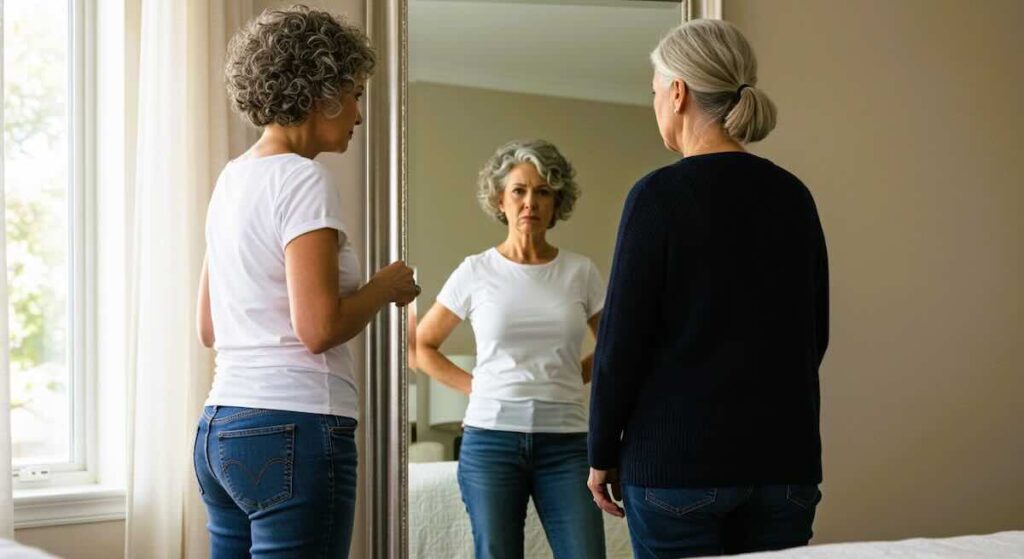
Perfection is a moving target. No matter how much progress you make, there’s always something more you could tweak, tone, or improve. That’s why focusing solely on perfection can be demoralizing. Instead, celebrate progress. Every pound lost, rep added, or healthy choice made is a victory. Take photos, write journal entries, or track metrics that remind you how far you’ve come. Most importantly, appreciate what your body does for you—not just how it looks. It carries you through life, powers your dreams, and holds your soul. That’s something worth celebrating every single day.
The perfect body isn’t a destination—it’s a mindset, a lifestyle, a journey. It’s not about fitting into a mold, but about sculpting the best version of yourself—physically, mentally, and emotionally. When you pursue health and strength out of Love, not shame, you unlock your true potential. You gain confidence, vitality, and resilience that radiate through every part of your life.
What I have learned is I will continue to chase my image of what my perfect body should be. But I will do it on my terms and not let others dictate how I should look. I will do this with balance, patience, and a heart full of self-respect. Because when I feel good inside and out, that’s perfection.