

Have you ever caught yourself humming your favorite tune without even realizing it? Singing seems to be one of those things we just do, without needing a reason. Whether in the shower, in the car, at a concert, or in a place of worship, singing is a deeply ingrained part of human behavior. But have you ever paused to wonder why we sing? What is it about this simple act of vocal expression that resonates so powerfully with us? Singing has many layers—biological, emotional, cultural, and more—why we sing, and why it’s such an essential part of being human has been puzzling me all my life.
I started singing to my girls while they were in my belly waiting to come out. This was just a natural act with me and what I have learned since then is singing with children strengthens emotional bonds to support brain development and early literacy skills. It creates a shared experience that fosters a sense of connection and Security between parents and children. Singing helps kids express and regulate Emotions while providing a safe space to engage in music and connect with their feelings. Singing exposes children to new words, rhythms, and sounds, helping them learn new vocabulary and improve their language skills. Singing can have a calming effect and improve the mood for both parents and children.
Every culture, every corner of the world, people sing. From ancient tribes in the Amazon to bustling cities in Europe, singing is a shared language. It transcends borders, languages, and even time. Anthropologists have discovered that singing has been part of human life for tens of thousands of years, possibly even before spoken language evolved. It’s not just something we learn; it’s something we’re born with. Babies coo and vocalize in melodic patterns that mirror song before they can even talk. This natural inclination toward melody suggests that singing is hardwired into our very biology.
Moreover, singing is not confined to those with training or a particular skill set. It is truly democratic—accessible to all. Whether someone has a Grammy-winning voice or sings off-key, the instinct to vocalize emotionally through melody is universal. This universality points to singing being more than just a learned behavior; it is, in many ways, a core part of the human experience.
From an evolutionary standpoint, singing likely served as an important communication tool long before complex language developed. Early humans may have used singing to bond socially, warn of danger, or express needs. There’s evidence suggesting that song played a role in attracting mates, much like birds and other animals use vocalizations to show fitness and vitality. In this context, singing wasn’t just emotional; it was practical—a means of survival and social cohesion.
Singing may also have helped our ancestors coordinate during hunting or gather around campfires, reinforcing group identity. Over time, these vocalizations evolved into more structured forms of expression—songs with rhythm, repetition, and meaning. Today, we might sing for joy or sorrow, but back then, it could have been about survival, Intimacy, and connection.
One of the most powerful aspects of singing is its ability to channel raw emotion. Think about the last time you sang along to a sad song, it probably made you feel seen, understood, even comforted. That’s because music taps directly into our limbic system, the part of the brain that processes emotions. When we sing, we’re not just making a sound, we’re telling stories, sharing our inner world with others, and even with ourselves. Singing can express what words alone cannot. It’s a vessel for joy, Grief, longing, Love, and celebration. Whether you’re belting out your favorite power ballad after a breakup or softly humming to a child at bedtime, singing helps us navigate the emotional rollercoaster of life. It becomes a form of emotional language, one that everyone speaks fluently.
There’s a reason music Therapy is used in hospitals, Mental Health treatment, and elder care. Singing, especially in a therapeutic context, has profound emotional benefits. It helps release pent-up feelings, reduce Anxiety, and even cope with Trauma. Some therapists use vocal exercises and songs as tools to help clients reconnect with their emotions or unlock parts of themselves that feel shut off. For people dealing with grief, singing can be a lifeline. Funeral songs, memorial hymns, or even personal compositions allow us to process and express sorrow. For those with Depression or anxiety, group singing like in choirs—can create a safe, uplifting space that offers both expression and community support.
From weddings and birthdays to national anthems and religious ceremonies, singing is deeply woven into the fabric of our social lives. No major celebration feels complete without a song. In most cultures, significant life events—births, deaths, marriages—are marked by song. Why? Because singing elevates the moment. It transforms it from something ordinary into something memorable, something sacred. Think of how “Happy Birthday” has become a global ritual. Or how choirs elevate Christmas services. Or how protest movements around the world have used song as a rallying cry. Singing in these moments isn’t just about tradition—it’s about unity, emotion, and expression. It connects us to our past, to each other, and to something larger than ourselves.
Ever notice how people seem to bond instantly when they sing together? That’s no coincidence. Singing in a group—whether it’s a choir, a karaoke bar, or a football stadium—creates a sense of shared purpose and emotional connection. Research shows that group singing releases oxytocin, the “love hormone,” which enhances feelings of trust and bonding. It also synchronizes heart rates and breathing patterns, literally bringing people into rhythm with each other. This communal aspect of singing is why it’s often used in team building, therapy, and Education. It fosters empathy, breaks down barriers, and builds solidarity. In a world that’s often fragmented, singing offers a powerful reminder that we’re all part of something much bigger.
Believe it or not, singing is a workout—especially for your lungs and heart. When you sing, you engage your diaphragm and lungs more deeply than in regular breathing. This leads to improved lung capacity, better oxygenation, and enhanced circulation. For individuals with asthma or respiratory issues, singing can act as a form of breathing therapy, strengthening the muscles involved in respiration and improving control over breathing patterns. Additionally, singing has been found to benefit cardiovascular Health. The controlled breathing and prolonged exhalation involved in singing help to lower blood pressure and reduce heart rate. Just like Meditation or Yoga, singing can put the body in a state of calm and relaxation, easing the strain on the heart. Regular singing, even for just a few minutes a day, can lead to noticeable improvements in stamina and overall physical well-being.
Training your voice isn’t just about hitting the right notes, it’s a full-body and full-brain Exercise. Singing involves coordination between multiple parts of the brain, including those responsible for memory, language, emotion, and motor control. When you sing, your brain processes pitch, rhythm, lyrics, and expression, all in real time. This enhances neural plasticity and keeps your cognitive faculties sharp. Vocal training helps you develop better posture, as standing upright supports breath control and vocal projection. It also sharpens your listening skills, as singers must be constantly attuned to pitch, tone, and harmony. The mental concentration required in singing is akin to solving a puzzle or learning a new language, offering excellent mental stimulation across all age groups.
“I can’t sing” is one of the most common—and limiting—beliefs people hold about themselves. But the truth is, everyone can sing. You may not have perfect pitch, but that doesn’t mean your voice isn’t worth hearing. Singing is a skill, and like any skill, it can be developed with practice, patience, and the right mindset. Trying to sing, even just for yourself, can be incredibly liberating. It challenges fear, builds self-confidence, and unlocks a part of you that’s often silenced. Whether you sing in private or in public, the act itself is an affirmation: I have a voice, and it matters.
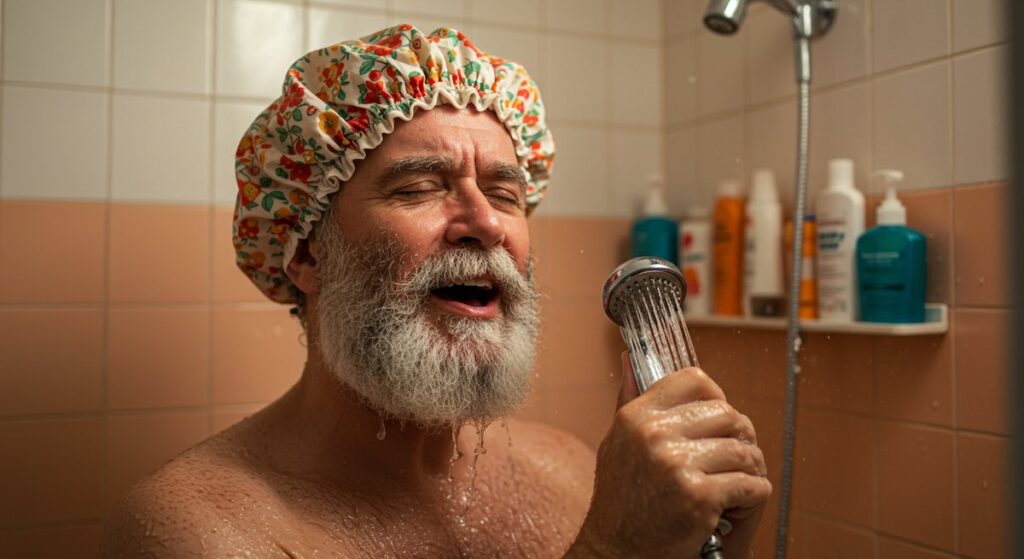
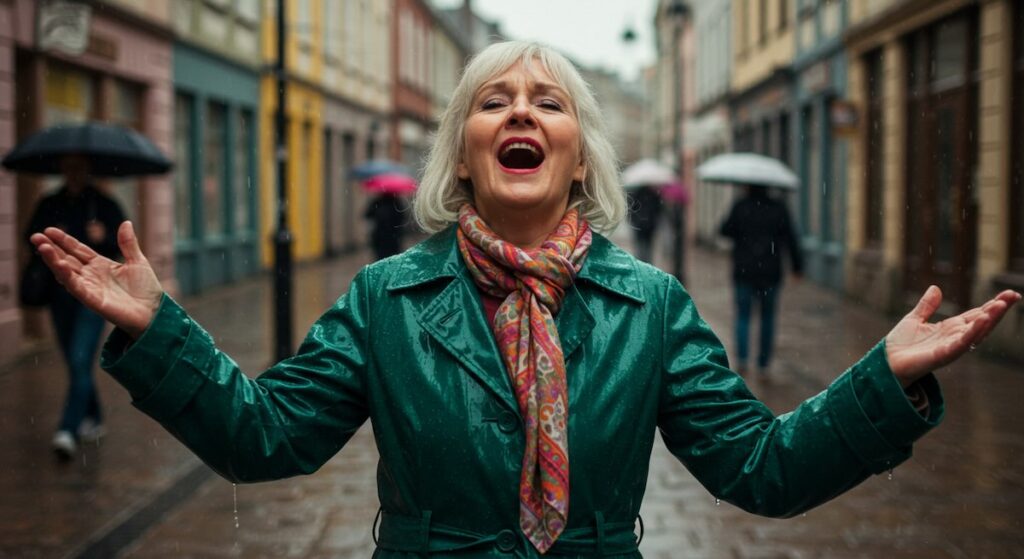
Singing is about more than pitch and technique—it’s about authenticity. Your voice is uniquely yours, shaped by your experiences, emotions, and identity. When you sing, you discover not just your sound, but your self. It’s a journey of exploration, creativity, and self-acceptance. So go ahead—sing. Sing in the shower. Sing in the car. Sing in the rain. Sing with your friends, or just for your cat. Let your voice rise, however it comes out. You’ll be amazed at what it unlocks inside you.
Singing is one of the most natural and powerful forms of human expression. It bridges cultures, transcends language, heals wounds, builds communities, and brings joy. From our evolutionary roots to modern-day stages, singing has been a constant companion in the human journey. Whether you’re a professional performer or just a casual crooner, singing offers endless benefits for your mind, body, and soul. So why do we sing? Because it makes us feel alive, connected, and fully human.