
We’ve all heard the advice.
Go to bed at the same time.
Turn off your screens.
Drink a calming tea.
And yet… so many people are still lying awake at night, wondering why Sleep won’t come.
The truth is, sleep isn’t something you can force with the right checklist.
Sleep is something the body allows—when the conditions are right.
Instead of asking, “What should I do before bed?”
A more powerful question is:
“What has my body experienced throughout the day that makes sleep possible?”
Here are five often-overlooked factors that influence whether your body can truly let go into rest.
It’s not just about when you go to bed.
It’s about whether your internal rhythm is synchronized.
If your body hasn’t clearly registered:
…it won’t confidently move into sleep.
Many people live in blurred signals—indoor lighting, inconsistent exposure to daylight, irregular pacing of activity. We can reset the body clock with a simple ear rub while bringing awareness to the time of day. Rub your ear from the top to the bottom, three times on each ear. Notice the time on the clock. A great pick up in the middle of the day.
A gentle shift:
Let your body feel the day. Step outside early. Let natural light meet your eyes. Allow your system to register contrast—light and dark, movement and stillness.
Sleep improves when the body trusts the rhythm of the day.
You can work out every day and still struggle with sleep.
Why?
Because the body doesn’t just need movement—it needs movement at the right times, in the right ways.
What the body craves is circulation—energy moving through tissues, joints, breath, and fascia.
A gentle shift:
Ask not “Did I Exercise?” but
“Did my energy move today?”
Small, frequent movement—especially throughout the day—helps the body complete its natural energy cycles so it doesn’t feel “unfinished” at night. This may be less than 40% effort, it may be just a few repetitions, and it may require a sprinkle through the day.
When one system in the body is overburdened, it doesn’t just affect digestion or circulation—it affects sleep.
In many traditional frameworks, each organ system has a rhythm—and when one is out of balance, it can pull energy away from rest.
A gentle shift:
Notice patterns:
These are not random—they are messages about where support is needed.
Repetitive thinking isn’t just “in your head.”
It’s energy that hasn’t been processed.
If thoughts are not expressed, resolved, or moved during the day, they accumulate—and nighttime is when they surface.
This is why people often feel mentally “loud” when everything else is quiet.
A gentle shift:
Create micro-releases throughout the day:
Think of it as digesting your thoughts in real time, rather than storing them for the night shift. Holding the fingertips lightly on the forehead, ESR’s (Emotional Stress Release Points), can help circulate the blood through the brain to help process those nagging thoughts.
Sleep is deeply influenced by what is flowing—or not flowing—through your system.
Hydration:
It’s not just how much water you drink, but whether it’s moving.
Stagnation in the body can mirror stagnation in rest.
Nutrients:
Deficiencies in minerals like magnesium or imbalances in blood sugar can quietly disrupt sleep cycles.
Environmental Sensitivity:
Some individuals are more sensitive to subtle inputs—like electromagnetic fields (EMFs), artificial light, or ambient noise.
While not always obvious, these can keep the nervous system in a low-level state of alertness.
A gentle shift:
Support flow:
When the body has:
…it doesn’t need to be told to sleep.
It naturally lets go.
Instead of building stricter routines or adding more to your evening…
What if the invitation was to live in a way that doesn’t need unwinding?
To:
Sleep, then, becomes less of a nightly challenge…
…and more of a quiet return to balance.
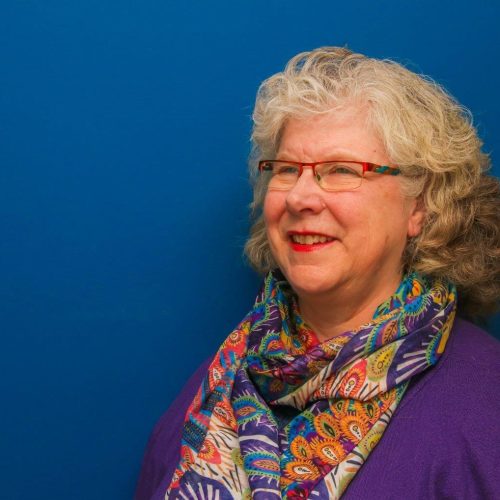
Dr Michelle Greenwell, CIH BioEW, loves to share new ideas for a day full of vitality and a night of deep rest. On Friday, March 27 at 10:30 – 12:30 pm she will be doing a Sleep Deep Dive for participants wanting to explore more deeply new patterns for daytime support for sleep. The cost is $25 and you can join her at NSCC in Port Hawkesbury with the CORAH program. On Thursday, April 2 at 6:30 – 8 pm, Michelle will be in Baddeck at the Public Library providing an introductory session. Everyone is welcome.
Please reach out if you have more questions, or just join us at the events.
The post Sleep Isn’t a Routine—It’s a Result: What Your Body Needs Before It Can Truly Rest first appeared on Greenwell Center for Holistic Health.
Originally Published on https://greenwellcenter.com/