

I have asked myself this question while lying in bed, wide awake, watching the minutes on the clock tick by. It’s frustrating, disorienting, and sometimes downright infuriating. The truth is that Sleep isn’t just about feeling tired. It’s a delicate dance between your body, mind, environment, and habits. When something is off, sleep doesn’t come easy. For many of us, a restless night here and there is normal. But when sleepless nights become a pattern, it could be a sign of something deeper. The reasons behind not being able to sleep are complex and often multi-layered. Maybe it’s Stress from work, or a late-night coffee, or perhaps your bedroom environment is not conducive to rest. You might be dealing with chronic pain, Anxiety, Depression, or a sleep disorder you don’t even know about.
Understanding why you can’t sleep begins with examining your habits, Health, and Emotions. Are you overthinking at night? Do you scroll through your phone in bed? Do you work late hours or eat heavy meals at night? Even the smallest disruptions can wreak havoc on your internal sleep mechanisms. Sleep isn’t just a passive state of “off-time.” It’s an active process where your body restores itself, repairs muscles, consolidates memory, and regulates hormones. So, when sleep gets disrupted, everything else suffers—your mood, focus, immunity, and even weight.

Insomnia is more than just having trouble falling asleep. It’s a condition where you find it hard to either fall asleep, stay asleep, or wake up too early and not be able to return to sleep. There are two primary types—acute and chronic insomnia.
Acute insomnia is short-term, often linked to stress, an event (like exams, Travel, or Grief), or sudden Lifestyle changes. It usually resolves on its own in a few days or weeks. Chronic insomnia, on the other hand, is long-term. It occurs at least three nights a week for three months or more and usually requires intervention to resolve. Chronic insomnia can stem from Mental Health conditions, physical illnesses, medications, or poor sleep habits. There’s also primary insomnia, which isn’t tied to any medical condition, and secondary insomnia, which is a symptom of another issue like depression or pain.
Some people suffer from sleep-onset insomnia (difficulty falling asleep), while others have sleep-maintenance insomnia (trouble staying asleep or waking too early). Recognizing what type you’re dealing with is the first step in finding the right solution. What makes insomnia tricky is its ability to feed itself. The more you worry about not sleeping, the harder it becomes to sleep—a frustrating cycle that leads to more stress and less rest. Understanding the type of insomnia you’re dealing with helps direct the right treatment. Whether it’s lifestyle tweaks, Therapy, or medical support, pinpointing the cause can help you escape the exhausting loop of sleeplessness.
Insomnia isn’t just your problem—it’s a global epidemic. According to recent studies, 1 in 3 adults experiences symptoms of insomnia at some point in their lives, and around 10% to 15% suffer from chronic insomnia. Women are more likely to report insomnia than men, and the risk increases with age. Modern life doesn’t help either. With our 24/7 culture, endless screen time, social media scrolling, pressure to hustle, and digital overload, more people than ever are struggling to get consistent, high-quality sleep. It’s especially prevalent among people with high stress jobs, caregivers, shift workers, parents of newborns, and those dealing with financial or emotional strain. College students and young professionals, constantly wired and worried about the future, are also at high risk.
But insomnia isn’t always a solo condition. It often travels alongside anxiety, depression, Heart Disease, and chronic pain conditions. That’s why addressing the root cause is so critical—it’s not just about sleep, but what’s keeping you from it. The sheer commonality of insomnia has made it a major public health issue. Its ripple effects are vast: decreased productivity, higher risk of accidents, weakened immunity, and even increased chances of developing chronic diseases like hypertension and Diabetes. The silver lining? Because it’s so common, it’s also highly studied. There are more resources, treatments, and support systems available than ever before. Whether you’re facing occasional insomnia or a more chronic version, you’re not alone—and there is help.
Sleep Apnea
Sleep apnea is one of the most underdiagnosed—and most dangerous—sleep disorders out there. It’s characterized by interrupted breathing during sleep, where your airway becomes blocked, causing you to momentarily stop breathing—sometimes hundreds of times a night.
The most common type, obstructive sleep apnea (OSA), happens when the throat muscles relax too much, collapsing the airway. You may not realize it’s happening, but you’ll likely notice the side effects: loud snoring, choking or gasping during sleep, morning headaches, dry mouth, excessive daytime fatigue, irritability, or poor concentration. In severe cases, sleep apnea can lead to high blood pressure, heart disease, diabetes, and even Stroke. It’s that serious. Yet many people live with it for years, blaming their fatigue on “poor sleep” or Aging, never realizing the real culprit is a blocked airway. Treatment options range from lifestyle changes (like weight loss and sleeping on your side) to CPAP (Continuous Positive Airway Pressure) machines that keep your airway open. There are also dental devices and even surgical options for more severe cases.
Restless Leg Syndrome and Other Neurological Disorders
Have you ever felt a creeping, crawling sensation in your legs at night that only goes away when you move them? That’s Restless Leg Syndrome (RLS)-a neurological condition that causes an irresistible urge to move the legs, usually in the evening or at night. It can make it nearly impossible to relax, let alone fall asleep. RLS affects about 10% of the population, with symptoms ranging from mild discomfort to severe agitation. It’s often linked to low iron levels, certain medications, or chronic health conditions like kidney disease and diabetes. For some, it’s genetic.
Another sleep disruptor is Periodic Limb Movement Disorder (PLMD), where the limbs—often legs—jerk involuntarily during sleep. Unlike RLS, this happens while you’re sleeping, and often without your awareness. It can significantly disturb your sleep cycles and leave you exhausted. Other neurological conditions like Parkinson’s disease, Multiple Sclerosis, and even nerve damage can also affect sleep by causing pain, spasms, or disruptions in the sleep-wake rhythm.
We often treat the body and mind as two separate entities, but when it comes to sleep, they’re inseparable. If your mind is anxious, depressed, or stressed, your body won’t fully relax—and without that relaxation, sleep becomes elusive. Mental health issues like generalized anxiety disorder, panic attacks, PTSD, and bipolar disorder all interfere with the brain’s ability to wind down. You might be physically exhausted but mentally wired, replaying conversations, catastrophizing the future, or experiencing intrusive thoughts that keep your nervous system on high alert.
The result? Your body produces stress hormones like cortisol and adrenaline, making it even harder to sleep. And when sleep suffers, mental health tends to worsen—creating a vicious loop of poor rest and poor mood. The brain’s prefrontal cortex, responsible for decision-making and emotional regulation, needs good sleep to function. Without it, you’re more reactive, irritable, and prone to negative thinking. Even a single night of bad sleep can throw off your emotional balance.
Therapies like CBT-I (Cognitive Behavioral Therapy for Insomnia) help you address both the mental and behavioral aspects of sleep problems. Relaxation techniques like progressive muscle relaxation, Yoga, and deep breathing exercises can also help reconnect the mind and body. Don’t underestimate the power of sleep as therapy. When you sleep better, your mental resilience improves—and when your mind is calm, your body follows.
In a world full of stimulation, relaxation is no longer a luxury, it’s a necessity, especially if you want to sleep well. Your body can’t flip a switch and go from busy mode to sleep mode. It needs transition time, and that’s where relaxation and mindfulness come in. Practicing mindfulness involves being present, focusing on your breath, and observing your thoughts without judgment. This calms the nervous system, lowers heart rate and blood pressure, and activates the parasympathetic system—your body’s built-in relaxation response. Simple practices like body scans, guided imagery, or listening to calming music before bed can drastically improve your sleep quality. Apps like Calm, Headspace, or Insight Timer offer sleep-specific meditations and breathing exercises.
One of the most effective mindfulness techniques is the 4-7-8 breathing method. Inhale for 4 seconds, hold for 7, and exhale for 8. This pattern slows down your heart rate and tells your brain it’s safe to rest. Another tool is Gratitude journaling. Writing down 3 things you’re thankful for at night can shift your focus from stress to peace, reducing anxiety and setting a positive tone before bed. Start thinking of relaxation as a bridge between your day and your dreams. Without it, your mind is still racing while your body is trying to sleep. With it, you create the perfect mental environment for rest.
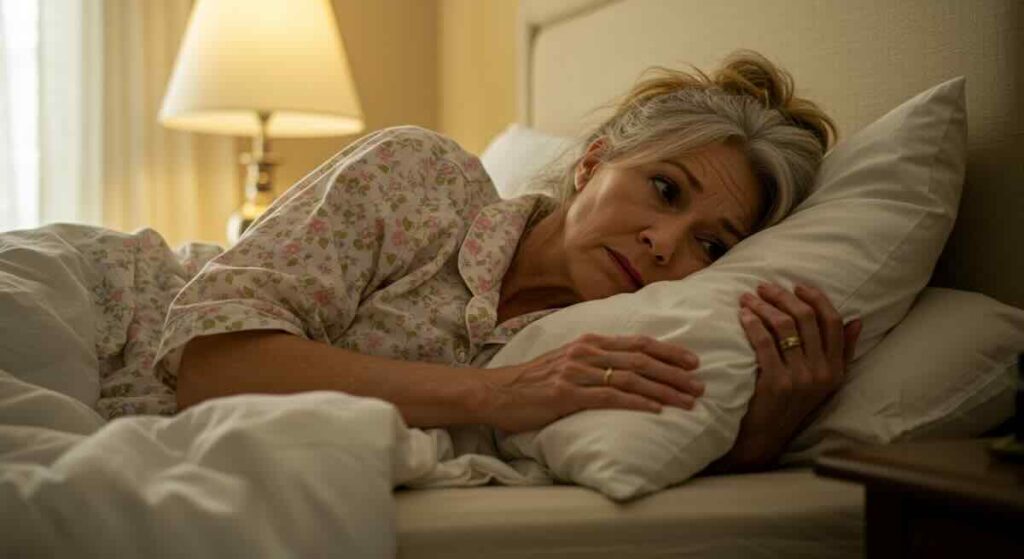
Like me, if you have been asking, “Why can’t I sleep?”—you’re not alone, and you’re definitely not broken. Sleep is complex. It’s not just about being tired; it’s about aligning your mind, body, and environment to work in harmony. From physical pain and mental health issues to bad habits and technological overload, many things can interfere with your rest.
But here’s the good news: you have more control than you think. I realized I had Sleep Apnea and am now using a CPAP machine to help me sleep. Small, consistent changes in your habits, environment, and thought patterns can dramatically improve your sleep. Whether it’s cutting back on caffeine, Investing in blackout curtains, or learning to breathe deeply, each step brings you closer to peaceful nights. You and I deserve good sleep. Start today by identifying what’s keeping you up—and take the first small step toward reclaiming your rest.