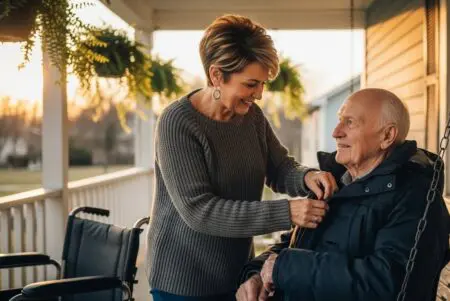

Being a mother and being a grandmother might both revolve around nurturing a child, but they are fundamentally different journeys. Think of Motherhood as writing the first chapters of a child’s life — full of urgency, responsibility, and raw emotion. Now, grandmotherhood? That’s more like revisiting that story with warmth, perspective, and the luxury of time. These two roles are not only shaped by age or experience but also by different emotional, psychological, and practical dynamics.
Mothers are often right in the thick of it — midnight feedings, school pickups, tantrums, and teenage rebellion. Grandmothers, meanwhile, usually stand a little to the side — not distant, but not at the epicenter. They’ve already done the hard part and now return to the picture with a calmer, more reflective role. Where a mother feels the weight of molding a human from scratch, a grandmother often focuses on enriching that human’s journey. A mother asks, “Am I doing this right?” while a grandmother whispers, “I’ve been there; let me help you.”
Emotions run deep in both roles, but they manifest differently. As a mother, you’re often emotionally stretched — torn between worry, guilt, hope, and fierce Love. You’re in survival mode, multitasking through chaos. As a grandmother, those emotions shift gears. The fear is softer, the love more unfiltered, and the guilt significantly less. With the benefit of distance from daily Parenting Stress, grandmothers often experience a purer form of joy. They laugh more easily, hug longer, and cherish small moments that mothers might miss in the bustle. In this way, grandmotherhood is not just the next chapter — it’s a second chance to feel the magic of raising a child without being consumed by it.
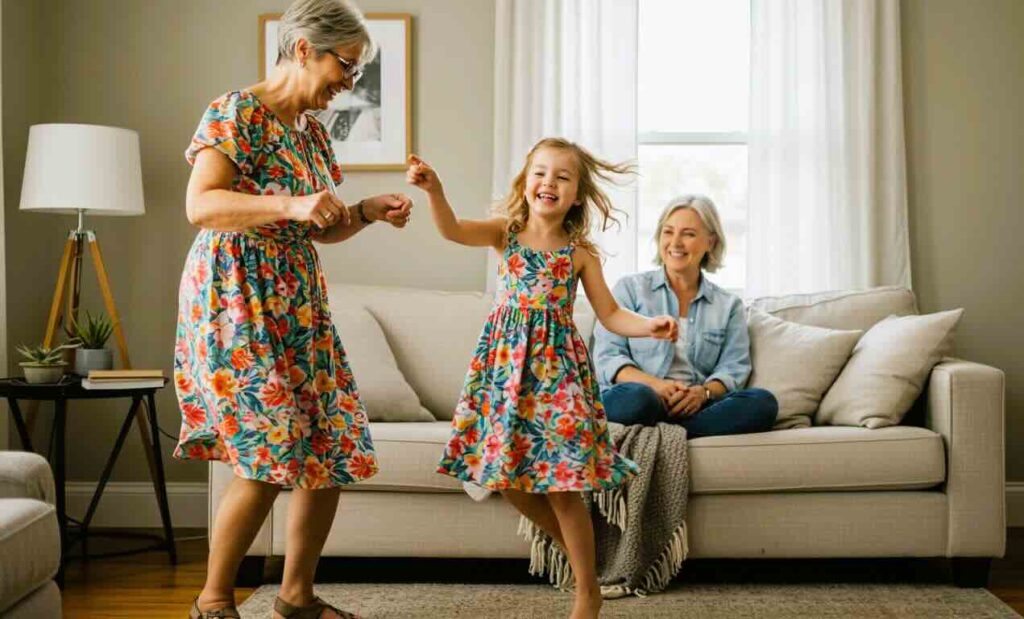
Mothers carry the heavy load. From changing diapers to arranging daycare, managing schoolwork, planning meals, and often juggling work, the expectations are relentless. Mothers are expected to be everything: teacher, cook, chauffeur, therapist, nurse, and sometimes, even a friend. The pressure is immense, and it rarely lets up.
Grandmothers, on the other hand, don’t usually bear these day-to-day obligations. Sure, many grandmothers help — watching the kids after school, babysitting during emergencies, or even providing financial support. But the expectation is different. It’s voluntary, not required. They can say yes or no without the same consequences that mothers face. And that’s a huge difference. When a grandmother reads a bedtime story, she’s doing it out of love and joy, not necessity. When a mother reads that same story, it might be the tenth task in a 15-hour day. It’s not about who loves the child more — it’s about how much each role is required to give, and how often.
While both mothers and grandmothers shape a child’s life, their methods and focuses differ. A mother builds the foundation. She sets the rules, guides the values, ensures Education, and shapes the identity. The stakes are high because her role is continuous and central.
A grandmother enhances that foundation. She brings in history, culture, and stories. She nurtures emotional intelligence through presence and patience. Kids often feel safer sharing secrets with grandma because there’s less fear of consequence and more confidence in her understanding. In development, mothers are the architects; grandmothers are the artists. One is structural, the other emotional. Both are essential, but their roles rarely overlap in responsibility — and that’s by design.
There’s nothing quite like the bond between a mother and her child. It’s primal, immediate, and life changing. From the moment a baby is born, a mother’s life shifts — suddenly everything revolves around this tiny person. The connection is laced with urgency: keeping the child alive, safe, and thriving. There’s deep love but also fear. Am I doing this right? Am I enough? This intensity creates an unbreakable bond but also constant emotional labor. Mothers are often exhausted not just physically but mentally. They second-guess their choices and feel the sting of every mistake. Yet, this same intensity is what forges the strongest emotional ties that last a lifetime. The bond isn’t always soft. Sometimes it’s loud, strained, and filled with conflict — especially during teenage years. But underneath it all lies unconditional love. A mother’s bond is like steel — it bends, it gets battered, but it never breaks.
Now contrast that with the bond of a grandmother — it’s still strong, but it’s wrapped in warmth and playfulness. There’s less pressure, fewer expectations, and more freedom to just enjoy the child. Grandmothers are often viewed as safe havens, sources of comfort and treats, the ones who spoil and laugh and never seem too busy. That’s because they’ve earned it. They’ve been through the tough love and now relish the soft moments. Grandmothers rarely discipline. Instead, they offer understanding, stories from the past, and a unique emotional depth. Kids sense this, and many form lifelong attachments to their grandmothers that feel sacred. In essence, the mother-child bond is fierce and formative. The grandmother-grandchild bond is gentle and grounding. Both are essential — but vastly different in energy, depth, and expression.
Motherhood is often synonymous with exhaustion. Ask any mother, and she’ll likely describe a phase of her life when Sleep was a luxury. Midnight feedings, early morning school rushes, and endless chores — it’s a cycle of fatigue that never ends. These sleepless nights aren’t about physical tiredness; they carry the mental burden of planning, worrying, and hoping for your child’s well-being every waking moment.
Now imagine reaching the grandmother phase — a time when the baby’s cries at 2 AM no longer dictates your sleep schedule. You get to rest. You get to sleep in. And if you do wake up at night, it’s likely for a quiet cup of tea, not a diaper change. That freedom changes everything. Grandmothers can fully enjoy their time with the grandkids because they know they’ll go home at night. They bring their best energy, laughter, and creativity to the table without being weighed down by the mental and physical load that mothers endure. This isn’t to say grandmothers don’t help during hard times — many step in when needed, offering childcare and support. But the difference lies in the option, not the obligation. They can choose when and how they get involved, and that autonomy brings peace and vitality that most mothers don’t get to experience.
The gift of grandmotherhood is being able to re-experience childhood without Burnout. You can build sandcastles without worrying about the laundry. You can bake cookies without stressing about the mess. You can go for long walks and listen to your grandchild’s wild stories without having to check work emails or cook dinner in 30 minutes. The focus shifts from survival to connection. You get to enjoy the magic of childhood all over again — this time, with clearer eyes and a fuller heart. Grandmothers often say they didn’t know how fast it all went until it was over. With a grandchild, they slow down, soak in the moments, and cherish them in ways they couldn’t the first time around.
It’s natural for mothers and grandmothers to have different views on parenting. After all, they come from different eras with different norms. What was acceptable or common 30 years ago might now be discouraged or even frowned upon. These differences can cause friction. A grandmother might feel judged, while a mother might feel undermined. Tensions can rise over things like food choices, discipline, or screen time. But these conflicts don’t have to damage the relationship — they can be opportunities for Growth and dialogue. The key? Respect. When both parties approach each other with empathy — recognizing that they’re both doing their best — they can find common ground. It’s not about who’s right, but what’s best for the child.
Successful grandmother-mother Relationships are built on communication. Setting clear boundaries, checking in regularly, and openly discussing concerns can prevent misunderstandings. Mothers should feel comfortable expressing their expectations, and grandmothers should feel respected and valued for their experience. When cooperation takes root, magic happens. The child benefits from double the love, double the Wisdom, and a Family environment that’s both supportive and enriching. It’s not about comparison — it’s about collaboration. Mothers and grandmothers, together, can raise children who are secure, loved, and deeply connected to their roots.
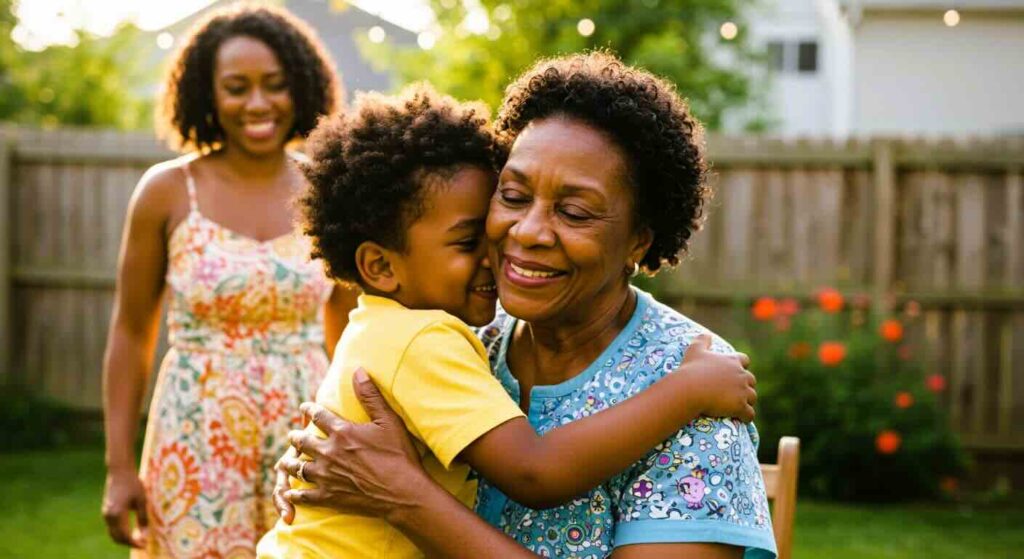
Being a grandmother is not just a continuation of motherhood — it’s a completely different and uniquely beautiful role. While mothers carry the load of raising children with love, discipline, and sacrifice, grandmothers get to revisit that journey from a softer, more experienced place.
Grandmotherhood is often described as a second chance. A second chance to play, to laugh, to love — but this time without the pressure of perfection. It’s a chance to experience childhood again, not as the responsible adult, but as the magical sidekick. This role brings immense fulfillment. Grandmothers get to watch their family expand, to know that a piece of them lives on in their grandchildren, and to witness the ripple effects of their love across generations. While motherhood is a heroic chapter of sacrifice and growth, grandmotherhood is the peaceful, golden chapter of reflection, joy, and Legacy.
Mothers are the architects of a child’s world; grandmothers are the artists who color it in with stories, traditions, laughter, and hugs. One role is intense and demanding; the other is joyful and freeing. Yet both are rooted in the deepest form of love — the kind that shapes lives and spans generations.
There’s no competition between being a mother and a grandmother — only a transition. From survival mode to serenity. From structure to soul. From responsibility to reward. So, if you’re a mother, look forward to the golden season that awaits. And if you’re a grandmother, know that your role matters deeply — not just to your grandchildren, but to the entire family that leans on your love and wisdom.