

There’s no denying it: tattoos are way more popular now than they used to be. Walk down any street, and you’ll see sleeves, neck tattoos, finger tats, and intricate back pieces, many proudly worn by Millennials. But ask a baby boomer what they think, and you might get a very different reaction: raised eyebrows, disapproving sighs, or a quick, “You’ll regret that when you’re older.” So why is there such a huge difference between these two generations when it comes to tattoos?
It all boils down to a mix of cultural, social, technological, and psychological factors. Baby Boomers grew up in a world where conformity was king. Tattoos were for rebels, outcasts, or military men. Millennials, on the other hand, have been raised in a culture that celebrates individuality, creativity, and freedom of expression. Tattoos aren’t just body art, they are stories, identities, and sometimes even healing tools.
| Generation | % 1 Tattoo | % Multiple Tattoos | Total % with Tattoos |
| Baby Boomers-1946-1964 | 6% | 7% | 13% |
| Gen X-1965-1980 | 14% | 18% | 32% |
| Millennials-1981-1996 | 12% | 29% | 41% |
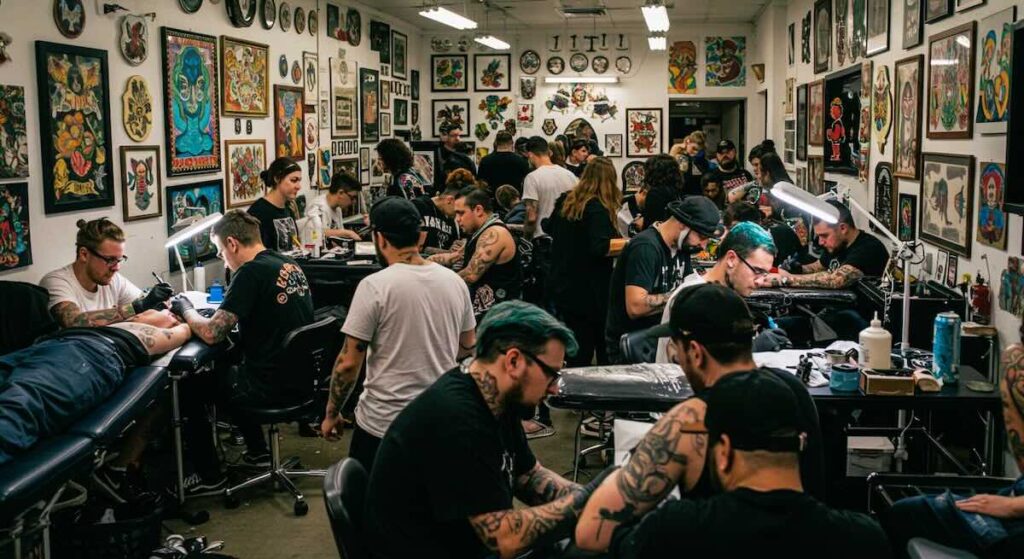
If you want to understand why boomers didn’t embrace tattoos the way millennials have, you need to understand the values they were raised with. Their cultural backdrop was built on conformity, obedience, and a desire to fit in—not stand out. Boomers grew up during a time when “looking the part” was essential. A clean-cut appearance was tied to morality, success, and trustworthiness. Deviating from the norm—whether through fashion, hairstyle, or tattoos—could mean social exile or missed career opportunities. People followed dress codes religiously, and personal expression wasn’t encouraged the way it is now. Tattoos, therefore, didn’t just break aesthetic norms, they broke social rules. The idea of putting permanent ink on your body was foreign, risky, and largely disapproved of. Even in the 60s and 70s, when the counterculture started pushing boundaries, tattoos still remained largely underground.
Let’s not forget the powerful influence of religion and morality in boomer households. Many conservative interpretations of Christianity, for instance, see the body as a sacred temple that shouldn’t be marked or altered. Leviticus 19:28 is often cited by anti-tattoo boomers: “Do not cut your bodies for the dead or put tattoo marks on yourselves”. Even outside of religion, conservative values stressed self-control, modesty, and discipline. Tattoos were seen as reckless acts of rebellion—fueled by impulse, not purpose. And if someone got one, it was usually something they’d later try to hide or remove. This foundation of conservatism made tattoos nearly taboo. Boomers weren’t just disinterested—they were conditioned to believe tattoos were wrong.
In the 1940s and 1950s, tattoos were primarily seen on sailors, soldiers, and prisoners. They symbolized toughness, defiance, and sometimes despair. While war veterans might come home with tattoos of anchors, flags, or pin-up girls, tattoos weren’t necessarily something to show off—they were hidden under uniforms or long sleeves. Tattoos were viewed as gritty and masculine, not elegant or artistic.
Not every boomer shunned tattoos in the 1960’s. The fringe members of this generation—hippies, rockers, activists—started exploring body modification as a form of protest and self-expression. For some, getting a tattoo was an act of resistance against “the system.” These weren’t always beautiful or elaborate tattoos, but they were meaningful. Musicians like Janis Joplin, who reportedly had a wrist tattoo, and early punk rockers started breaking the mold. They used tattoos as political statements, anti-establishment symbols, and badges of belonging in outsider communities. It wasn’t common, but it was the beginning. The same counterculture that challenged racism, war, and materialism also challenged beauty norms. The idea that your body didn’t have to be “clean” and “natural” by society’s standards opened doors for tattooing to be seen differently. Tattoo parlors started popping up in urban areas, attracting curious rebels and artists. Even though tattoos were still stigmatized, the counterculture movement introduced the idea that your body was your canvas. This concept would later be fully embraced by millennials—but its roots trace back to the boomers who rebelled.
Now let’s fast-forward a few decades. Millennials were raised in a totally different world—one that encouraged uniqueness, celebrated diversity, and broke down many of the taboos boomers grew up with. For millennials, tattoos aren’t just tolerated, they’re trendy, meaningful, and even empowering.
Millennials came of age during a cultural shift that emphasized personal identity. Instead of conforming to fit in, millennials were encouraged to stand out. Tattoos fit perfectly into this mindset. They’re personal, creative, and often symbolic. Whether it’s a quote, a memorial, or an intricate design, tattoos allow millennials to wear their identity on their skin. This isn’t just about rebellion—it’s about representation. A tattoo of a birthdate, a pet’s portrait, or a symbol of Mental Health struggles carries emotional weight. Millennials see tattoos as extensions of their personality—not blemishes.
Unlike earlier generations, millennials often get tattoos that tell a story. It’s not just about looking cool; it’s about marking life events, honoring loved ones, or expressing beliefs. Every tattoo has a “why,” and many millennials proudly share the story behind their ink. This storytelling aspect has helped tattoos shift from taboo to treasured. Millennials aren’t hiding their tattoos—they’re showcasing them as milestones. From minimalistic designs to full-back pieces, tattoos have become a deeply personal art form that celebrates who they are and what they’ve been through.
Social media didn’t just amplify tattoo culture—it supercharged it. Millennials came of age with platforms like Instagram, YouTube, Pinterest, and TikTok, which turned tattoos from private art into viral content. Tattoo artists became influencers, and getting inked became part of the social media aesthetic.
It’s impossible to ignore how much celebrities influenced millennial attitudes toward tattoos. From pop stars like Rihanna and Justin Bieber to athletes like David Beckham and LeBron James, body ink became a part of the celebrity image. These high-profile figures helped erase the idea that tattoos were low-class or rebellious—instead, they became glamorous, aspirational, and fashionable. When the celebrities proudly flaunted their tattoos, it gave millennials permission to do the same. Suddenly, tattoos weren’t just edgy—they were stylish. Even red-carpet events started showcasing ink, turning it into a legitimate fashion statement.
Millennials see tattoos differently at a psychological level. Where boomers may have seen them as impulsive or rebellious, millennials often view them as deeply meaningful and tied to personal identity. This shift in mindset reflects larger changes in how each generation sees the self. Many millennials get tattoos to cope with Grief, Trauma, or mental Health struggles. The act of getting tattooed can be therapeutic, too. Choosing the design, sitting through the pain, and emerging with a permanent reminder—it’s a process of control, catharsis, and empowerment. It’s not uncommon to hear people say, “This tattoo helped me heal.”
This emotional connection is often missing from how boomers view tattoos. They were raised to suppress Emotions and avoid drawing attention. Millennials, however, have been encouraged to feel, express, and process—and tattoos have become part of that process.
So, why is there such a huge difference in tattoo culture between millennials and baby boomers? It all comes down to timing, values, and context. Baby boomers were raised in an era of conformity, where tattoos were seen as marks of rebellion, criminality, or recklessness. Their views were shaped by religious conservatism, social expectations, and limited exposure to the beauty and meaning that tattoos can hold. Tattoos simply didn’t fit into the image of the “ideal citizen” during their formative years.
Millennials, on the other hand, grew up in a world that encouraged self-expression, celebrated individuality, and challenged outdated norms. They’ve turned tattoos into meaningful art, Therapy, storytelling, and even spiritual practices. They’ve made body ink mainstream, professional, and beautiful. Millennials didn’t just embrace tattoos—they reinvented what they mean.
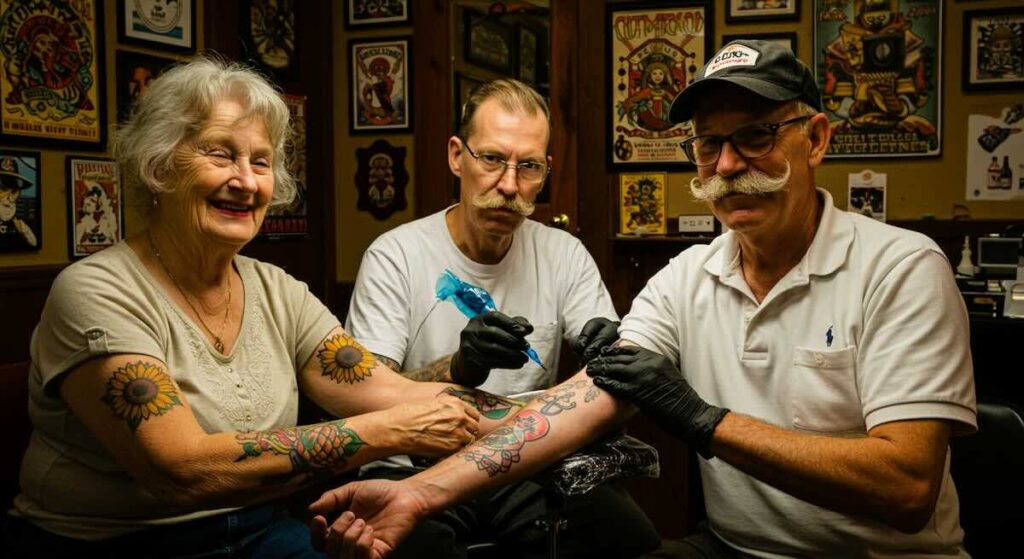
This generational divide isn’t about right or wrong, it’s about evolution. And as tattoos continue to gain acceptance, we’re likely to see even more shifts in how body art is viewed in society. The gap between boomers and millennials may be wide, but it’s slowly closing. And who knows? Maybe someday, we’ll see full-sleeved grandmas and tattooed grandpas swapping ink stories with their grandkids. The ink tells a story—and each generation is simply writing its own chapter.