Healthy Coping Skills for Anxiety: Evidence-Based Techniques for Daily Relief
Living with anxiety can feel overwhelming at times. Anxiety disorders affect 19.1% of adults in the United States, making them the most common Mental Health condition.
You can manage anxiety effectively using proven coping skills like deep breathing, Meditation, journaling, Exercise, and grounding techniques that help calm your mind and body. These strategies give you practical tools to use whenever worry or Stress becomes too intense.
Generalized anxiety disorder (GAD) affects 6.8 million US adults and can make daily tasks more challenging. When anxious thoughts take over, simple activities like concentrating at work or completing everyday duties become harder. Learning and practicing healthy coping methods help you regain control and reduce anxiety’s impact on your life.
Anxiety stems from your body’s natural stress response and can range from mild worries to intense fear. Different situations and events can set off anxious feelings, but identifying these triggers helps you take control of your mental Health.
Generalized Anxiety Disorder (GAD) causes persistent worry about many aspects of life. You might feel anxious about work, health, or daily tasks without a specific reason.
Social anxiety makes you fear judgment in social situations. This can affect your ability to interact with others or speak in public.
Panic disorder creates sudden, intense episodes of fear with physical symptoms like rapid heartbeat and breathing problems.
Specific phobias involve extreme fear of particular objects or situations, like heights or flying.
Your body shows anxiety through physical signs like:
Common anxiety triggers include:
Physical symptoms often come with emotional signs. You might feel restless, irritable, or have trouble focusing on tasks.
Learning to spot your triggers helps you manage anxiety better. Try keeping a log of when you feel anxious and what happened before those feelings started.
Healthy coping mechanisms help you manage stress and anxiety effectively. Regular movement, calming practices, and mental exercises work together to reduce anxiety symptoms.
Exercise is a powerful coping tool that releases endorphins and reduces stress hormones in your body. When you move your body, you naturally decrease muscle tension and improve your mood.
Choose activities you enjoy – this makes it easier to stick with them. Some effective options include:
Try to get at least 30 minutes of movement daily. Breaking this into 10-minute segments works just as well if you’re short on time.
Deep breathing is your first line of defense against anxiety. Place one hand on your chest and one on your belly. Breathe slowly so your belly expands more than your chest.
Simple relaxation techniques you can use anywhere:
Practice these skills when you’re calm. This makes them more effective during stressful moments.
Progressive muscle relaxation helps release physical tension. Start by tensing and relaxing your toes, then move upward through each muscle group to your face.
Follow these steps:
Pair this with peaceful imagery. Picture a calm place – maybe a beach or forest. Add sensory details like sounds, smells, and textures to make it more real.
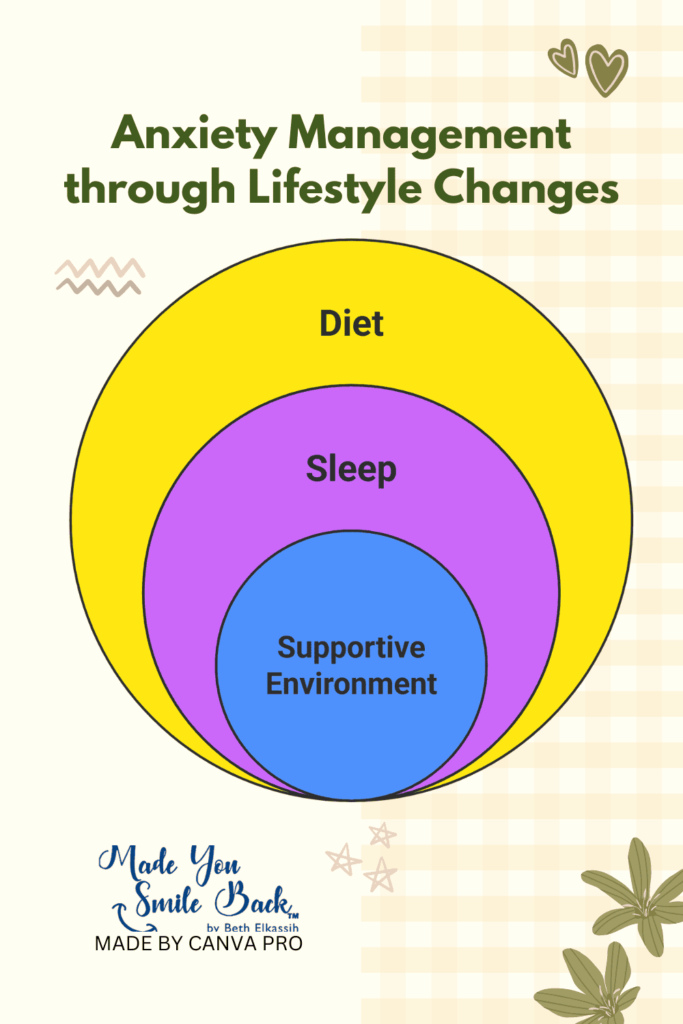
Small daily changes in your habits and routines can make a big difference in managing anxiety symptoms. Making smart choices about Diet, Sleep, and your environment helps create a foundation for better mental health.
Your food choices directly affect your anxiety levels. Eating regular meals prevents blood sugar drops that can trigger anxious feelings.
Start your day with protein-rich foods like eggs or Greek yogurt to maintain steady energy levels. Avoid caffeine after 2 PM since it can increase anxiety symptoms.
Keep these anxiety-reducing snacks handy:
Drink plenty of water throughout the day. Dehydration can worsen anxiety symptoms and affect your mood.
Your sleep quality plays a crucial role in anxiety management. Aim for 7-9 hours of sleep each night.
Create a bedtime routine to signal your body it’s time to rest:
Set consistent sleep and wake times, even on weekends. This helps regulate your body’s natural sleep cycle.
Set up your space to promote calm and reduce stress triggers. Keep your work area clean and organized to prevent feeling overwhelmed.
Build a strong support network by connecting with understanding friends and Family members. Share your challenges and ask for help when needed.
Add calming elements to your home:
Schedule regular check-ins with trusted friends or family members. Having someone to talk to can help reduce anxiety’s impact.
Mindfulness and meditation help calm your mind and reduce anxiety through simple daily practices. These techniques give you practical tools to stay present and manage stress effectively.
Mindfulness meditation reduces stress, anxiety, and Depression by teaching you to focus on the present moment. Start with 5-10 minutes of practice each day in a quiet space.
Try this basic breathing exercise:
When thoughts arise, gently redirect your attention back to your breath without judgment. Regular practice makes this easier over time.
The 5-4-3-2-1 technique helps you reconnect with your surroundings when anxiety strikes:
Mindfulness skills paired with aromatherapy create a powerful calming effect. Use lavender, chamomile, or bergamot essential oils in a diffuser during meditation. Place a few drops on your wrists or pillowcase to promote relaxation.
Getting professional support can make a big difference in managing anxiety. Mental health Experts use proven methods to help you feel better and gain control.
Research confirms CBT works well for treating anxiety. This type of Therapy helps you identify and change unhelpful thought patterns.
In CBT sessions, you’ll learn to:
Your therapist will give you tools to use between sessions. These might include breathing exercises, journaling, or gradual exposure to anxiety triggers.
Start by making a list of what you need in a therapist. Consider their:
Don’t feel stuck with the first therapist you meet. It’s normal to try a few before finding the right fit. Many offer free consultation calls to help you decide.
Anxiety disorders can be managed through various treatment approaches. Your doctor might recommend medication alongside therapy.
Common medication options include:
Always discuss potential side effects with your doctor. Some people need to try different medications before finding what works best.
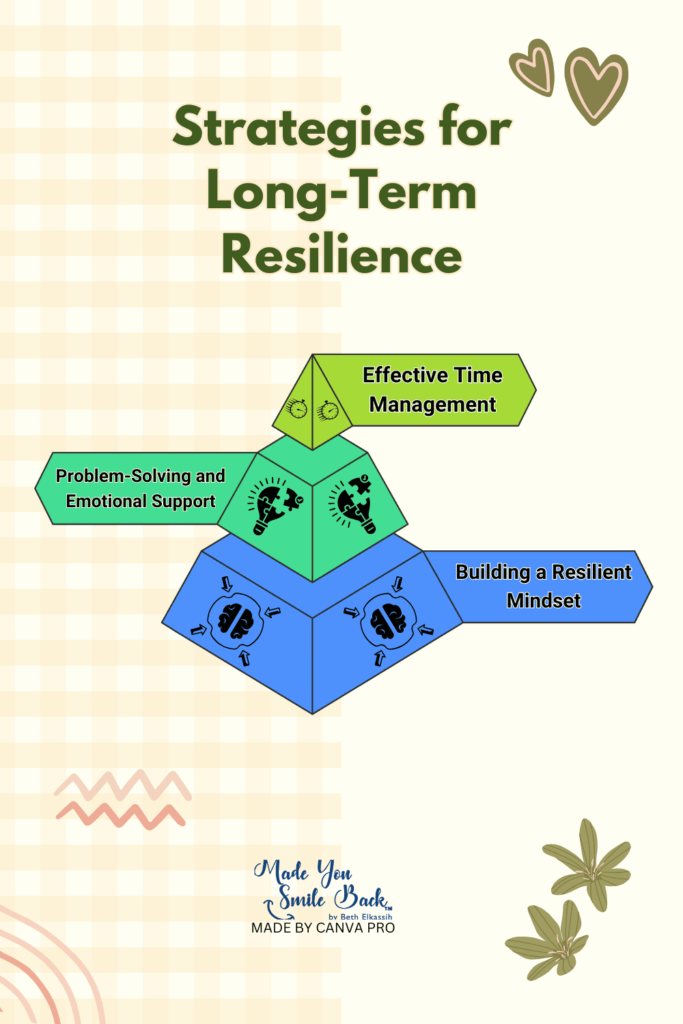
Building resilience takes consistent practice and the right set of tools. These proven strategies can help you manage daily challenges while strengthening your mental toughness.
Start each day by identifying your top 3 priorities. Then, break large tasks into smaller, manageable chunks of 25-30 minutes each.
This technique helps prevent feeling overwhelmed. Use a simple planning system to reduce stress and boost productivity.
Block specific times for work, rest, and self-care activities. Take regular 5-minute breaks between tasks to reset your mind.
These short pauses prevent mental fatigue and help maintain focus throughout the day.
Time Management Tips:
When facing challenges, break them down into specific, solvable parts. Then, write out potential solutions without judging them first.
After that, evaluate each option’s pros and cons. Regular exercise improves mental resilience and helps clear your mind for better problem-solving.
Aim for 30 minutes of physical activity daily. Connect with trusted friends or family members who can offer perspective and support.
Share your concerns and be open to feedback.
Key Support Strategies:
Replace negative self-talk with realistic, balanced thoughts. Notice when you’re catastrophizing and challenge those thoughts with evidence.
Adaptive coping strategies like acceptance help build mental strength. Focus on what you can control rather than worrying about things you can’t change.
Practice gratitude by noting three positive experiences each day. This habit trains your brain to spot opportunities instead of threats.
Mindset Strengthening Activities:
These practical tips and strategies can help reduce anxiety symptoms quickly and effectively. Taking control of anxious thoughts requires specific methods and tools that work best for your situation.
Take 5-10 deep breaths, focusing on making your exhales longer than your inhales. This activates your body’s natural relaxation response.
Try the 5-4-3-2-1 grounding technique by naming 5 things you see, 4 things you feel, 3 things you hear, 2 things you smell, and 1 thing you taste.
Progressive muscle relaxation helps calm your body by tensing and releasing each muscle group, starting from your toes up to your head.
Regular exercise and healthy eating can reduce anxiety symptoms naturally. Even a 10-minute walk can help clear your mind.
Practicing mindfulness and meditation can help you stay focused on the present moment instead of worrying about the future.
Connect with supportive friends or family members. Talking about your feelings can provide relief and perspective.
Keep a thought journal to track anxiety triggers and your responses to them. Write down challenging thoughts and create more balanced alternatives.
Use anxiety rating scales from 1-10 to monitor your stress levels throughout the day.
Challenge negative thoughts by looking for evidence that supports or contradicts them. Ask yourself if you’re jumping to conclusions.
Schedule worry time – set aside 15 minutes daily to address anxious thoughts, then postpone other worries until your next scheduled time.
Join online support groups or forums where you can connect with others who understand what you’re going through.
Create a comfort box with items that help you feel calm, like photos, soft fabrics, or meaningful objects.
Use relaxation apps or online resources to guide you through breathing exercises or meditation when you need support.
You have many effective ways to manage anxiety in your daily life.
Building a support network is crucial. Talk to friends, family, or a therapist about your feelings. Getting emotional support helps reduce anxiety levels.
Make self-care a priority in your daily routine. Get enough sleep, eat nutritious foods, and take breaks when needed. Small healthy habits add up to better anxiety management.
Remember that managing anxiety takes practice. Be patient with yourself as you try different coping skills.
What works best can vary from person to person.
Write down the strategies that help you most.
Keep this list handy for times when anxiety feels overwhelming.
The post Healthy Coping Skills for Anxiety (+ Free Printables) appeared first on Made You Smile Back.
Originally Published on https://madeyousmileback.com/