Get your Freebie


A Beautiful Mind: Unlock the Science Behind Intelligence, Creativity, and Emotional Depth
What makes someone’s mind truly beautiful? Is it their ability to solve complex problems, create stunning art, or connect deeply with others?
The answer might surprise you. A beautiful mind isn’t just about being smart in the traditional sense—it’s about combining intelligence, creativity, and emotional understanding in powerful ways.
For decades, we’ve measured intelligence using IQ tests and academic performance. But these tests only capture a small part of what makes a mind remarkable.
A beautiful mind encompasses multiple types of intelligence working together. It includes logical reasoning, creative thinking, emotional awareness, and practical Wisdom.
Think of intelligence like a diamond with many facets. Each side reflects light differently, and together they create something truly brilliant.
The most fascinating minds in history weren’t just “book smart.” They combined different mental abilities to see the world in unique and transformative ways.
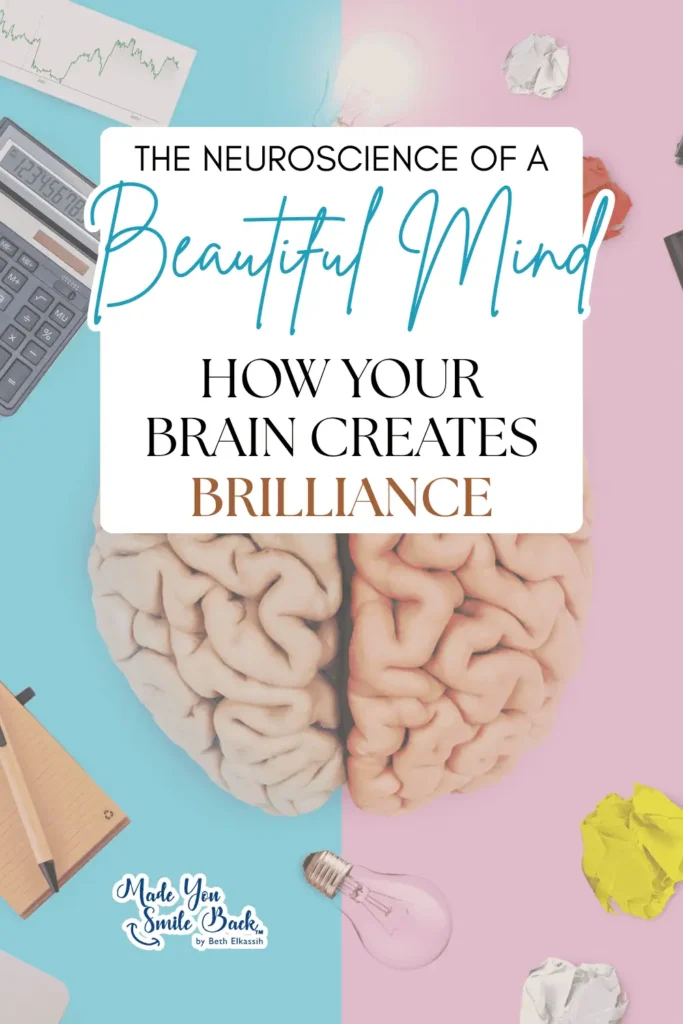
Your brain is an incredible organ with about 86 billion neurons. These neurons create trillions of connections that shape how you think, feel, and create.
Scientists have discovered that creative thinking activates multiple brain regions simultaneously. The prefrontal cortex handles planning and decision-making, while the temporal lobes process memory and emotion.
Key brain structures involved in cognitive excellence:

Here’s the exciting part: your brain can change and grow throughout your life. This quality, called neuroplasticity, means you can literally rewire your brain by learning new skills and challenging yourself mentally.
When you practice something repeatedly, your brain strengthens those neural pathways. It’s like creating a well-worn path through a forest—the more you walk it, the clearer it becomes.

History gives us countless examples of people with truly beautiful minds. Each one used their unique cognitive gifts to change the world.
Scientific Brilliance:
Artistic and Literary Genius:

What united these diverse minds? They all combined deep knowledge with creative vision and emotional honesty.
There’s a persistent myth that genius and mental illness always go hand in hand. While some exceptional minds have struggled with Mental Health challenges, this isn’t a requirement for brilliance.
Research shows that certain conditions can coexist with exceptional abilities. People with ADHD often show remarkable creativity and out-of-the-box thinking, while those with autism may demonstrate extraordinary focus and pattern recognition.
Depression and Anxiety don’t create genius, but some brilliant people have experienced these conditions. The suffering itself isn’t productive—rather, the depth of feeling and self-reflection can contribute to profound insights.
It’s crucial to separate the romanticized “tortured genius” myth from reality. Mental Health challenges cause real suffering and often hinder rather than help cognitive performance.
The truth about mental health and cognitive ability:
The goal should be nurturing your mind while protecting your mental health. You don’t need to suffer to think beautifully.
The great news is that you can actively develop a more beautiful mind. Your cognitive abilities aren’t fixed at birth—they can grow and evolve with the right practices.
Daily habits to enhance your mental capabilities:
Start with one or two practices and build from there. Consistency matters more than intensity when reshaping your brain.
Your Diet also plays a crucial role in cognitive function. Omega-3 fatty acids, antioxidants, and adequate hydration support brain health and mental Clarity.
IQ might get you in the door, but EQ (emotional intelligence) determines how far you’ll go. Emotional intelligence is your ability to understand and manage emotions in yourself and others.
People with high emotional intelligence navigate Relationships skillfully and make better decisions. They recognize how feelings influence thinking and use this awareness to their advantage.
The five components of emotional intelligence:
Emotional intelligence can be developed at any age. It starts with paying attention to your feelings without judging them as good or bad.
When you understand your emotional patterns, you can respond thoughtfully rather than react impulsively. This creates space for wisdom to emerge between feeling and action.
The most beautiful minds combine analytical thinking with emotional depth. They can solve complex problems while remaining connected to human experiences and values.
Children ask an average of 300 questions per day. Adults? Far fewer, as we often lose our natural curiosity over time.
Curiosity is the fuel that powers a beautiful mind. It drives you to explore, question, and seek understanding beyond surface-level answers.
Wonder—that sense of awe when encountering something magnificent—actually changes your brain chemistry. It reduces Stress hormones and increases feelings of connection and meaning.
Ways to rekindle curiosity and wonder:
When you approach life with curiosity, every day becomes a learning opportunity. Your mind stays flexible and engaged rather than rigid and bored.
The most innovative thinkers maintain childlike wonder while adding adult knowledge and experience. They never stop asking questions or being amazed by what they discover.
We live in an unprecedented era of information access and technological advancement. Your smartphone gives you more computing power than NASA had when they sent astronauts to the moon.
But this digital abundance comes with cognitive costs. Constant notifications fragment our attention, and endless scrolling can replace deep thinking with surface skimming.
Research shows that our brains are adapting to Technology in both positive and negative ways. We’re better at multitasking and filtering information, but our capacity for sustained focus and deep reading is declining.
The benefits of technology for cognitive development:
The drawbacks to watch out for:
The key is using technology intentionally rather than being used by it. Set boundaries around screen time and protect periods for focused, undistracted thinking.
Artificial Intelligence is becoming increasingly sophisticated, but it lacks the emotional depth and creative intuition of human minds. Your ability to feel, imagine, and make meaning remains uniquely human and irreplaceable.
A beautiful mind in the modern age knows when to engage with technology and when to unplug. It uses digital tools to enhance rather than replace human cognitive capabilities.
A beautiful mind is within your reach, regardless of your IQ score or educational background. It’s not about being perfect or knowing everything—it’s about continuously growing, feeling deeply, and thinking creatively.
The science shows us that our brains remain capable of change throughout our lives. Every new experience, every skill learned, and every emotional insight rewires your neural pathways in positive ways.
Start today by choosing one practice from this article to implement. Maybe you’ll begin a daily reading habit, start a meditation practice, or simply ask more questions about the world around you.
Remember that intelligence, creativity, and emotional depth work best when they work together. Don’t just pursue knowledge—pursue wisdom, beauty, and human connection too.
Your mind is the most sophisticated instrument in the known universe. Treat it with care, challenge it with new experiences, and never stop feeding it with curiosity and wonder.
The world needs more beautiful minds—minds that can solve problems creatively, connect with others empathetically, and imagine possibilities that don’t yet exist. Will you cultivate yours?
The journey to developing a truly beautiful mind is lifelong, but every step makes you more fully human and more capable of contributing something meaningful to the world.
Start today, and watch how beautifully your mind can grow.
The post A Beautiful Mind: Unlock the Science Behind Intelligence, Creativity, and Emotional Depth appeared first on Made You Smile Back.
Originally Published on https://madeyousmileback.com/