

Have you ever wondered why some people live well into their 90s or even 100s, thriving and active? It’s not just about living longer, it’s about living better. Longevity is the combination of extending lifespan while enhancing quality of life. Genetics does play a role, with some research suggesting that 30% of your longevity might be determined by your genes. That’s significant—but not the whole story. Genetic factors influence things like how efficiently your body repairs DNA, metabolizes fat, and resists diseases. Some people are simply born with a natural advantage. But here’s the catch: even the best genes can be overridden by poor Lifestyle choices. Just because you have a Family history of long life doesn’t mean you’re guaranteed the same. Think of your genes as a blueprint—not the final building. More importantly, having a poor genetic background doesn’t mean you’re doomed. Lifestyle choices can completely shift the trajectory of your Health. So, whether you hit the genetic jackpot or not, the decisions you make every day still matter—a lot.
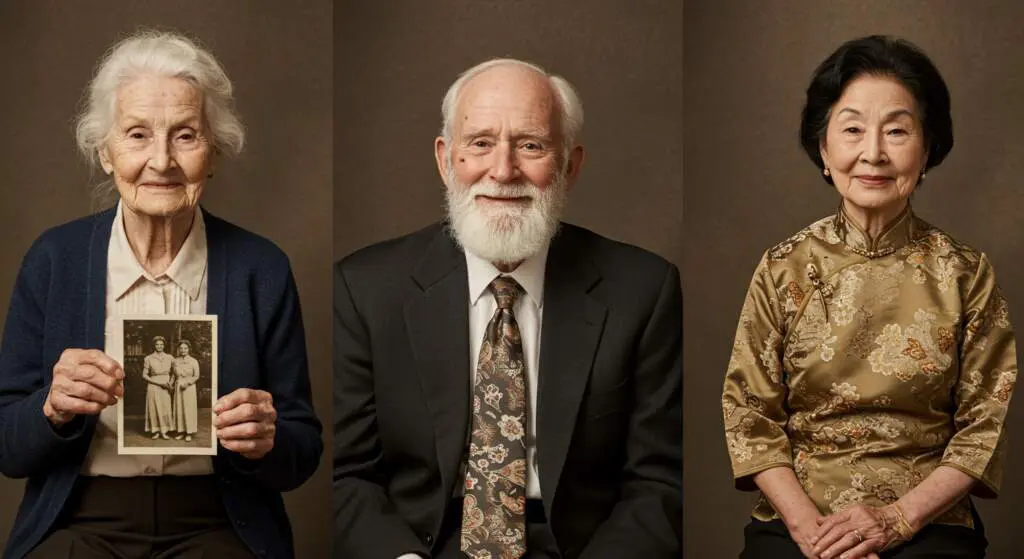
Blue Zones are regions around the world where people live significantly longer than average—and not just longer, but better. These zones were identified by researcher Dan Buettner and include places like:
What makes these regions so special? People in Blue Zones often live to 100+ years with relatively low rates of Heart Disease, Cancer, and other chronic illnesses. Even more intriguing, they don’t rely on supplements, gyms, or strict diets. They live naturally healthy lives. That’s the secret sauce.
The commonalities among these populations provide a roadmap for the rest of us. They don’t all eat the same food or practice the same religion, but they do share core principles like strong social ties, plant-based diets, regular movement, and a clear sense of purpose.
So, what do all these Blue Zones have in common? Here’s the scoop:
These aren’t crazy, impossible habits. They’re simple, sustainable practices that have been in place for generations. And guess what? You can apply many of them to your life—no matter where you live.
What you put on your plate every day is one of the most powerful tools you have to fight Aging and chronic disease. The best longevity diets are rich in whole foods—think fruits, veggies, legumes, and healthy fats. Whole grains, seasonal veggies, nuts, seeds, and fermented foods also play a big role. These foods are packed with fiber, antioxidants, and essential nutrients that support heart health, brain function, and immunity. Healthy fats from olive oil, avocados, and nuts help reduce inflammation and protect against age-related illnesses. Omega-3 fatty acids, found in fatty fish like salmon, are excellent for brain health. Don’t forget green tea and herbal teas—loaded with polyphenols and antioxidants that can slow aging at the cellular level.
Just as important as what to eat is what not to eat. The modern Diet, especially in Western countries, is often packed with processed foods, added sugars, unhealthy fats, and sodium. These foods may be convenient, but they’re also longevity killers. Processed meats, sugary drinks, fast food, and refined carbs can increase your risk of obesity, Diabetes, and heart disease. These conditions not only shorten lifespan but seriously diminish quality of life. Reducing your intake of these foods—even gradually—can have a huge impact on your long-term health.
Stress is like rust on the soul—it corrodes from the inside out. Chronic stress doesn’t just mess with your mood, it actually shortens your lifespan. When your body is constantly in fight-or-flight mode, it produces too much cortisol (the stress hormone), which in turn increases inflammation, damages cells, and accelerates aging. Chronic stress has been linked to heart disease, diabetes, Depression, Anxiety, and even cognitive decline. And let’s be real: modern life is full of stressors. Work deadlines, financial worries, social media pressures—it’s non-stop. But here’s the kicker: it’s not stress itself, but how you respond to stress that determines its long-term impact. The good news? Stress management is a learnable skill. You can train your brain to respond differently. Whether it’s deep breathing, journaling, walking in nature, or just taking breaks from your screen, reducing stress adds years—not just to your life, but to the good years. Long life and peace of mind go hand in hand.
Ever noticed how isolated people often seem to age faster? On the flip side, strong social ties are a powerful predictor of long life. It’s not just about having people around—it’s about feeling connected, supported, and valued. People with close family bonds, friendships, or even strong community involvement tend to live longer and healthier lives. Why? Because emotional support buffers stress, encourages healthier behaviors, and gives life meaning. It’s not enough to eat kale and jog—you need a crew that makes you laugh and keeps you grounded.
Having purpose is another catalyst. Whether it’s raising grandkids, Volunteering, or working on a passion project, people who wake up with a reason to live simply live longer. Purpose provides direction, motivation, and emotional satisfaction. So, if you’re looking to add more years to your life, maybe start by adding more life to your years through Relationships and meaning.
Think of Sleep as your body’s overnight repair crew. During deep sleep, your brain flushes out toxins, your cells regenerate, and your hormones balance. Without proper sleep, your immune system weakens, your brain fogs up, and your risk for chronic disease skyrockets. Sleep deprivation has been linked to everything from heart disease to Alzheimer’s. Lack of sleep accelerates biological aging and shortens telomeres—the protective caps on your DNA that are strongly associated with aging. In short: poor sleep = faster aging.
Want to sleep like a baby again? It starts with good sleep hygiene. This doesn’t mean being squeaky clean before bed—it means building habits that promote restful sleep. Here’s how:
Small changes make a big difference. Good sleep is one of the most underrated but essential secrets to longevity. So, if you’re burning the midnight oil every night, consider this your sign to put rest back on your priority list.
So, what are the secrets to longevity? It’s not magic. It’s not just genetics. It’s a collection of everyday choices, lifelong habits, and a mindset of Growth, purpose, and self-care. From nourishing your body with whole foods and moving daily, to nurturing relationships, sleeping deeply, and managing stress, you have more control over your lifespan than you think. Small changes can create big results. Changes like drinking more water, taking the stairs instead of the elevator, adding an extra veggie to your plate, calling a friend instead of scrolling on social media and going to sleep 30 minutes earlier. Longevity isn’t just about reaching 100—it’s about being healthy, happy, and fulfilled while getting there. It’s not a sprint. It’s not a marathon. It’s a dance—and the rhythm is yours to set.