

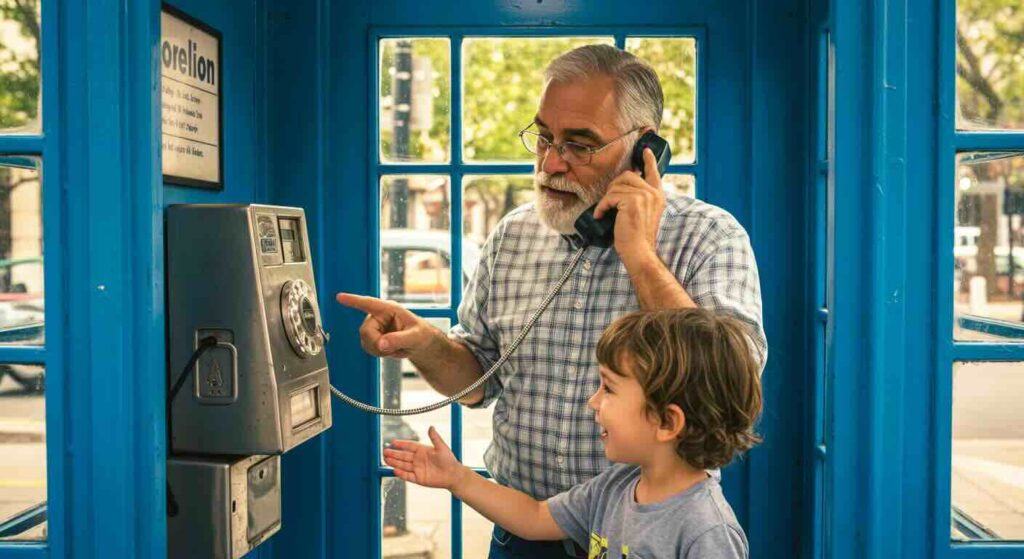
That phrase— “from payphones to iPhones”—is a poetic shorthand for one of the most dramatic technological and cultural shifts of the last half-century. It captures the journey from analog isolation to digital immersion, especially poignant for Baby Boomers who’ve lived through every phase of that evolution. Baby Boomers were born into landlines and payphones from the 1950s through the 1970s. Communication was intentional, public and often delayed. Privacy was limited and calls were tied to physical locations. In the 1980s and 1990s pagers and early cell phones were introduced and mobility entered the picture, but access was still limited. From the 2000s to today, smartphones and iPhones evolved into instant, personal and portable communication which became constant, visual and global.
Remember those screechy sounds of a dial-up connection? For Baby Boomers, this was their first digital gateway to the World Wide Web. In the late ’90s and early 2000s, internet cafés popped up everywhere, especially in urban areas—offering an exciting peek into a new world of email, chat rooms, and early E-Commerce. Many Boomers were introduced to this space through work, where training sessions and mandatory digital adoption became common. The internet wasn’t intuitive at first, but Boomers showed determination. They started creating Yahoo and AOL email addresses, joining online forums related to hobbies, and using Ask Jeeves or early Google for information. The patience required to connect was real, but so was the reward—instant access to news, weather updates, and even stock market trends.
Some of us initially felt left behind, but curiosity and practicality soon took over. We started paying bills online, researching Travel plans, and even venturing into online Dating platforms tailored to our age. These early experiences were clunky compared to today but were powerful steps in digital adoption.
At first, handing over credit card information online felt like a scam to many of us. It’s no surprise—we were raised in an era where face-to-face transactions and physical receipts were the norm. But as Amazon, eBay, and other online marketplaces grew, convenience trumped skepticism. Boomers now shop online as frequently as younger generations. From ordering household supplies to subscribing to meal kits or digital Streaming platforms, we have made a remarkable shift. We embrace platforms like PayPal for secure payments, and we learned to compare prices, read reviews, and even utilize online coupons. What once seemed like an intimidating digital jungle became a familiar, even preferred, shopping landscape. And with added accessibility options—like larger fonts, voice search, and senior-friendly app designs—Boomers found the transition more manageable than they had initially feared.
When Facebook started, it was a college student hangout. Fast forward a few years, and it became the platform for Boomers to reconnect with old friends, share Family photos, and keep up with grandkids. According to recent studies, Baby Boomers are the fastest-growing demographic on Facebook, and it’s easy to see why. They’ve turned Facebook into a digital community center. From posting birthday wishes to engaging in spirited political discussions, Boomers use the platform with purpose. Many even run Facebook groups focused on specific interests—travel, Gardening, or high school reunions.
Facebook also offered a safer, simpler introduction to social media than Snapchat or TikTok. It is user-friendly, didn’t require rapid video edits, and mirrored the kind of community we were used to. This slow, steady social media adoption has helped Boomers feel more connected in a fast-changing world.
While Facebook remains king, other platforms are catching Boomer attention. YouTube, for example, is hugely popular among our generation. They use it for everything from learning new recipes and watching classic TV shows to discovering DIY repair tutorials.
Pinterest also appeals, especially to Boomers who Love crafts, home décor, or Health tips. And as Instagram becomes more visual and less text-heavy, many Boomers have joined to stay updated on family lives, often “liking” photos of grandkids or travel adventures.
Even LinkedIn serves a purpose post-Retirement—offering networking for consulting gigs, volunteer opportunities, or industry news. While TikTok still feels like a Gen Z playground, a growing number of Boomers are enjoying short-form content, especially for laughs and life hacks.
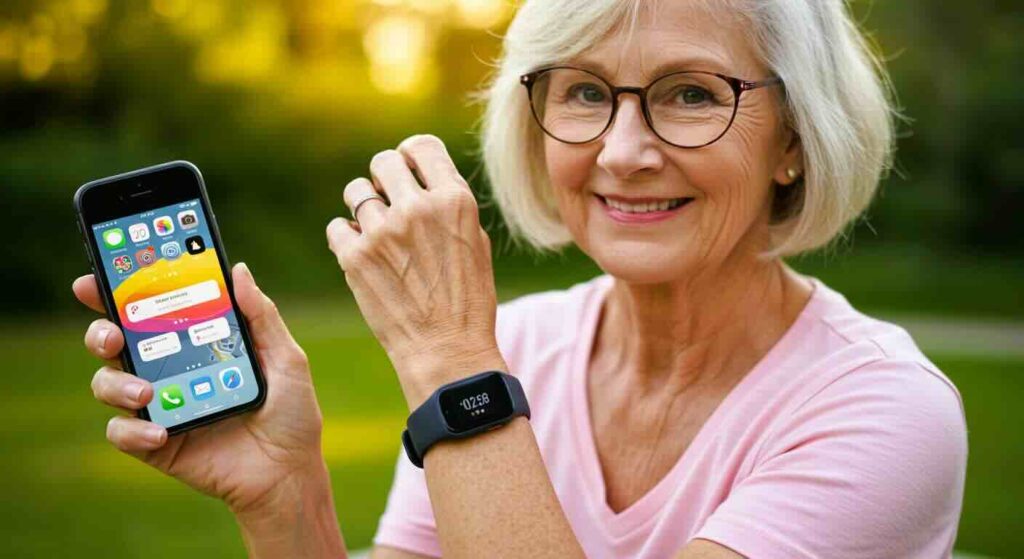
For many Boomers, their first mobile phone was a sturdy Nokia or Motorola flip phone—prized more for battery life than for apps. But as smartphones evolved, so did their interest and usage. The iPhone symbolized a sleek entry into a smarter world. Today, many Boomers use smartphones for nearly everything—texts, emails, banking, health tracking, and Entertainment. Touch screens, once intimidating, became second nature. And thanks to accessibility settings like voice dictation, magnifiers, and larger text, these devices have been made more inclusive for older users. The transition wasn’t always smooth. Some resisted at first, worrying about complexity or cost. But those who took the plunge often wonder how they ever lived without it. We now FaceTime with family across the country, receive medication reminders, and enjoy mobile games like Wordle or Candy Crush during downtime.
The next level of tech adoption? Smart homes. Boomers are embracing voice assistants like Alexa, Siri, and Google Assistant to make daily life easier. From setting timers and checking the weather to controlling lights or thermostats, smart devices offer convenience with minimal effort.
Smart TVs, doorbell cameras, and even robot vacuums have found their way into Boomer homes. These devices not only offer comfort and efficiency but also help with safety and independence, especially for those Aging in place. While some remain cautious about privacy, most Boomers find that the benefits outweigh the risks. Tutorials, YouTube videos, and even tech-savvy grandchildren help bridge the knowledge gap. It’s not uncommon to hear a Boomer say, “Alexa, play The Beatles,” while cooking dinner—blending nostalgia with Innovation seamlessly.
Technology isn’t just about convenience for Boomers—it’s also about well-being. Devices like Fitbit, Apple Watch, and Garmin trackers have found a loyal user base among Boomers who want to monitor their steps, heart rate, and Sleep patterns. These devices offer real-time feedback and help us stay accountable to health goals. Health apps have also become essential tools. Boomers are using MyFitnessPal to track nutrition, Calm or Headspace for Meditation, and Pill Reminder or Medisafe for managing medications. They’ve also embraced virtual doctor visits, scheduling telehealth appointments through apps and health provider portals. This wave of adoption is driven not just by curiosity, but by a genuine need to maintain independence and stay proactive about health. Devices now offer emergency contact features, fall detection, or ECG monitoring—turning smartwatches into literal lifesavers.
Mental Health awareness is more prominent now than it was during Boomers’ younger years. Today, many are using tech to support emotional well-being. From Therapy apps like BetterHelp and Talkspace to mood trackers and guided meditation platforms, Boomers are exploring new avenues to care for their mental state. They’ve also found support communities online—through Facebook groups, Reddit threads, or specialized forums where they can connect with others facing similar life transitions like retirement, Caregiving, or Grief. These digital spaces help combat isolation and provide a sense of belonging. The stigma once associated with therapy or emotional expression is slowly fading, and technology is playing a major role in that shift. Boomers are learning to embrace self-care in ways that feel private, safe, and tailored to their pace.
a world that changes as fast as technology can be overwhelming. Many Boomers have struggled with tech Anxiety: the fear of “breaking something,” forgetting passwords, or not understanding apps quickly enough. Then, there’s the issue of information overload. From spam emails and fake news to constant app notifications, the digital world can feel chaotic. But Boomers have developed coping strategies: disabling push alerts, using password managers, subscribing only to trusted news sources, and taking regular digital detoxes. We have also become more discerning about screen time, especially post-pandemic. While Zoom fatigue and social media Burnout are real, Boomers are learning how to balance digital life with offline mindfulness—choosing technology on their own terms.
The Baby Boomer Generation has witnessed more technological change in one lifetime than perhaps any group in history—from rotary phones and black-and-white TVs to virtual assistants and streaming platforms. Yet, rather than resisting, many Boomers have embraced these shifts with curiosity, courage, and an impressive willingness to learn.
We’ve gone from payphones to iPhones, from handwritten letters to FaceTime calls, and from vinyl records to Spotify playlists. Our story isn’t just about catching up, it’s about evolving, adapting, and staying connected in a world that never stops changing. The adaptability of the Boomer generation proves that learning never stops, and age is never a barrier to Growth. If anything, our journey through the digital age reminds us that it’s never too late to plug in, log on, and embrace the future.