
There was a time when writing a letter wasn’t just a form of communication, it was a ritual, a moment of reflection, and a deeply personal act. For Baby Boomers, the letter was a lifeline. Whether it was scribbled on lined paper, elegantly inked on fine stationery, or typed with care on a typewriter, each letter carried a part of the sender’s soul.
Unlike the fast-paced texting and emailing of today, letter writing required patience. You’d sit down with your thoughts, maybe with a cup of coffee or tea by your side and pour your heart out. The deliberate act of writing made you think about your words, your tone, and even your handwriting. It wasn’t about how fast you could send a message, it was about meaning, memory, and human connection.
Back then, mailboxes weren’t just metal containers, they were treasure chests. Each letter, especially if scented with perfume or sealed with wax, brought anticipation, excitement, and sometimes, bittersweet news. It was a different kind of Intimacy, one that required effort and intention. We remember how letter writing wasn’t only functional; it was emotional. Whether it was Love letters from a sweetheart, a postcard from a vacationing friend, or a long-awaited message from a relative overseas, the letter was proof that someone took the time to reach out. In short, letter writing wasn’t just about the message, it was about the moment. And that moment mattered.
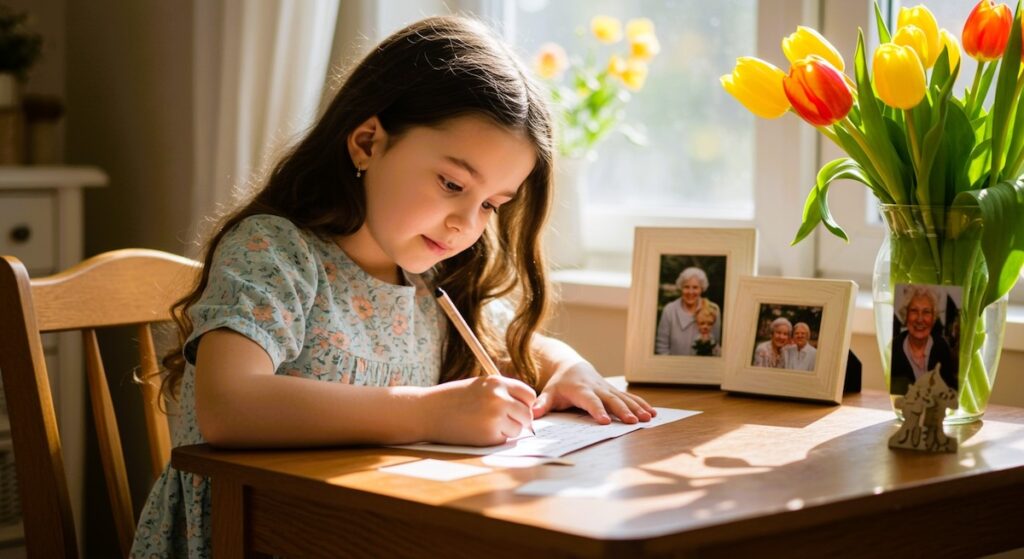
Our first experience with writing letters began in school. Teachers taught us how to write “Dear Grandma” and end with “Love, Cathy.” It wasn’t just grammar practice—it was a life skill. Children learned the importance of saying thank you, sharing stories, and maintaining Family ties through handwritten notes. As we grew older, letter writing took on new dimensions. Pen pals connected students from different states—or even countries—creating friendships that often-lasted years. Love letters became the heartbeat of young romance. The wait between sending and receiving a reply made every response more precious.
Do you remember the joy of opening a letter that smelled like your friend’s perfume? Or unfolding pages filled with stories from a friend you hadn’t seen in years? Boomers recall the deliberate choice of words, the carefully selected greeting cards, and the personal doodles added in the margins. Some of us remember writing home from college, detailing every challenge and joy. Others recall receiving letters from sons and daughters serving in the military; each envelope is a source of hope and reassurance. Letter writing wasn’t just communication, it was connection.
In the mid-20th century, families didn’t rely on group chats or Facebook updates to stay connected. They relied on letters. A letter from Grandma meant everything. A birthday card from an aunt with a crisp dollar bill tucked inside became a childhood treasure. Families would gather around when a letter arrived, reading it aloud and passing it from hand to hand.
Social bonds were strengthened through correspondence. Friends who moved away stayed in touch not with photos or voice messages, but with pages of detailed writing. Parents would save letters from their children, storing them in shoeboxes or drawers, re-reading them when they missed them the most.
Even holiday traditions were built around letters. Christmas cards weren’t just quick updates—they were thoughtful summaries of the year’s highs and lows. Birth announcements, wedding invitations, condolences—all came by mail. Letters weren’t fleeting; they were enduring. They were pieces of a person’s life, shared with care and vulnerability. And in a world where everything now seems instant, we remember a time when everything important was slow, heartfelt, and handwritten.
Handwritten letters weren’t just personal—they were cultural artifacts. Think about how many historical moments were preserved through letters. We’ve read the private words of soldiers from World War II, the reflections of past Presidents, the love letters of famous poets, and the everyday musings of ordinary people. These letters offer us glimpses into past generations, their thoughts, fears, dreams, and values.
We grew up understanding that a letter was more than ink on paper. It was a historical snapshot. Something worth keeping. Many of us still have boxes filled with old letters. Faded paper, wrinkled edges, smudged ink, they all tell stories. Those letters may be from parents long gone, childhood friends, or high school sweethearts. They are irreplaceable.
In many cultures, letter writing is a respected tradition. Calligraphy was admired. Stationery was chosen with care. Sending a letter wasn’t just an action, it was a form of art. And in an age where culture often feels digital and disposable, we mourn the loss of something tangible, something real.
Then came the turning point. The 1990s introduced a revolution that forever changed how we communicate—email. At first, it felt magical. Messages could be sent instantly, across continents, at the click of a button. It was efficient, fast, and exciting. But with that speed came the slow death of something more meaningful. Letter writing began to feel outdated. Why wait days for a reply when you could get one in minutes? Why spend Money on postage, paper, and envelopes when email is free?
Soon, texting followed. Then social media. And suddenly, the world moved too fast for handwritten notes. For us, this shift was jarring. Some adapted out of necessity—especially for work. But for personal communication? Many felt a profound sense of loss. The act of writing by hand, choosing your words carefully, and sending a physical piece of yourself—that was gone. It wasn’t just the method that changed. The mindset changed. Communication became about convenience, not connection. And for all those of us who had grown up in the golden era of letters, that loss was deeply personal.
Sending a text with a heart emoji isn’t quite the same as getting a handwritten love letter. One of the most painful realities of the digital age is the emotional flatness of today’s communication. Handwritten letters had weight—literally and emotionally. You could hold them. You could feel the imprint of the pen, maybe even spot a teardrop stain or smudge where someone paused too long. Every letter had a texture, a scent, a voice. That voice often came from the way someone looped their “y” or how their handwriting slanted when they were excited.
Now? We tap on screens, abbreviate feelings into “LOL” or “OMG,” and throw in a string of emojis to convey complex Emotions. But no emoji, no matter how cute, can capture the vulnerability of opening your heart on paper. Digital messages are fleeting. They get lost in the endless scroll of notifications. But letters were deliberate, composed with care. When you received one, it was an event. You’d find a quiet place, read it slowly, and reread it later, savoring the sentiment. We often describe how we kept those letters in drawers or boxes—proof that someone, somewhere, had truly cared. In contrast, how many texts do we remember from last month, let alone last year?
It’s easy to focus on the practical benefits we’ve gained—instant messaging, free communication, global connectivity. But what about what we’ve lost? From my perspective, the disappearance of handwritten letters represents an emotional void. Letters were more than messages. They were tangible memories. You could keep them in a shoebox, unfold them years later, and feel transported back in time. They carried scent, style, and soul. Now, our memories are stored on servers, in email archives, or in the cloud. Sure, they’re accessible—but are they cherished?
We find old letters from our parents or spouses long after they’ve passed. Re-reading them brings comfort, like hearing their voice again. Try doing that with a deleted text or a long-buried email. The emotional cost isn’t just about nostalgia—it’s about permanence, presence, and preservation. In losing letters, we’ve lost part of our emotional history. I often wonder: what Legacy are we leaving for future generations? A string of texts? Some forgotten Instagram posts? Or something deeper, more personal, handwritten with love?
So, what can we do? Bring back the letter. Not because it’s trendy, but because it’s timeless. Write to your grandchildren. Send a postcard to an old friend. Start a letter-writing club. Keep a stack of nice stationery on hand. Don’t wait for a special occasion—make today special by reaching out in ink.
Even one letter can make a difference. It tells the recipient: “You matter. I took the time for you.” And in today’s hurried world, that message is more powerful than ever. If you’re not sure where to begin, start small. Write a thank-you note. Send a handwritten birthday card. Or dust off your old address book and surprise someone with a letter “just because.” Remember, the goal isn’t perfection—it’s connection. And who knows? Maybe, just maybe, your letter will spark someone else to pick up a pen. That’s how revolutions begin—quietly, one envelope at a time.
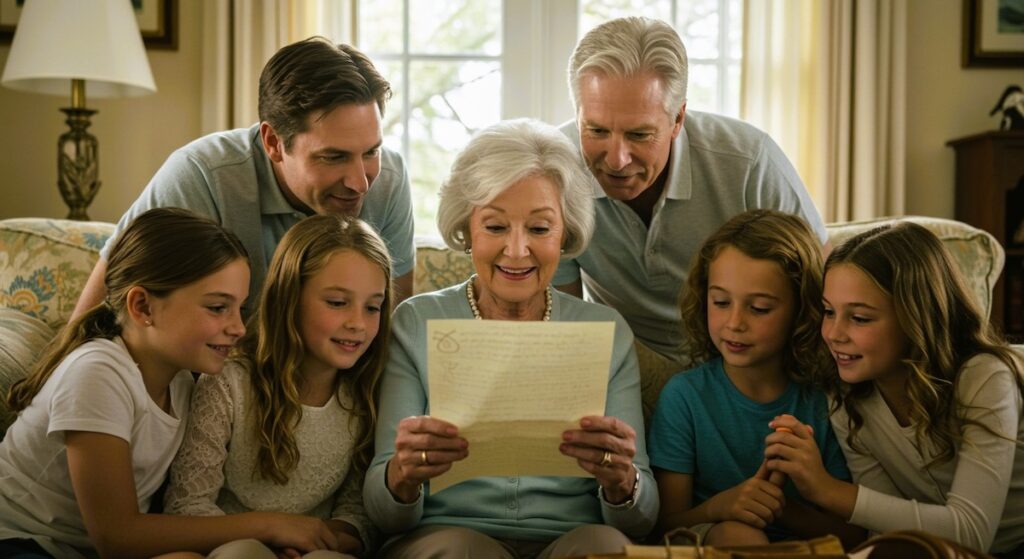
For me, letters aren’t just pieces of paper. They are memories made tangible. They’re echoes of voices that may no longer speak, touchpoints of love, longing, and everyday life. In an age where everything feels temporary, letters remain enduring. They ask us to slow down, to reflect, and to connect with deeper intention. No, letter writing may never again be the norm. But it can still be powerful. It can still be meaningful. And it can still matter—especially to those who lived through its golden age. So go ahead—write that letter. Make someone’s day. And rediscover a piece of yourself in the process.