
Children thrive on connection. Public schools offer a dynamic and consistent environment where kids can meet others from different walks of life, helping them develop social networks and build lasting friendships. Unlike homeschooling or isolated private Education models, public school students are immersed in an ecosystem full of different personalities and backgrounds. This constant interaction teaches conflict resolution, teamwork, and empathy—skills that are essential for both academic success and real-life social scenarios.
Friendship isn’t just a “nice to have” in childhood—it’s a vital part of Personal Development. When kids navigate friendships on their own, with occasional teacher guidance, they build the emotional intelligence to handle challenges like disagreements or group dynamics. These experiences are key in shaping emotionally mature and socially competent individuals. Furthermore, public schools often encourage group activities like sports, drama, debate, and student government—helping students find “their people” while also learning how to collaborate. Kids are given opportunities to explore different roles and social identities in a safe, supervised setting. This level of social exposure simply isn’t possible in most private or home-education scenarios.
In any environment with a diverse group of people, conflicts will arise. And that’s a good thing—because learning how to manage those situations is part of growing up. Public schools present kids with opportunities to learn how to resolve disagreements, compromise, and communicate effectively with peers and adults.
Teachers and counselors in public schools are trained to guide students through interpersonal issues in ways that foster Growth, understanding, and accountability. Through peer mediation programs, classroom rules, and team-based assignments, students learn how to handle friction without resorting to aggression or avoidance. Also, many public-school systems integrate social-emotional learning (SEL) programs, which equip kids with tools to regulate Emotions, practice empathy, and make responsible decisions. These skills don’t just stay in the classroom—they are part of a child’s social toolkit for life.
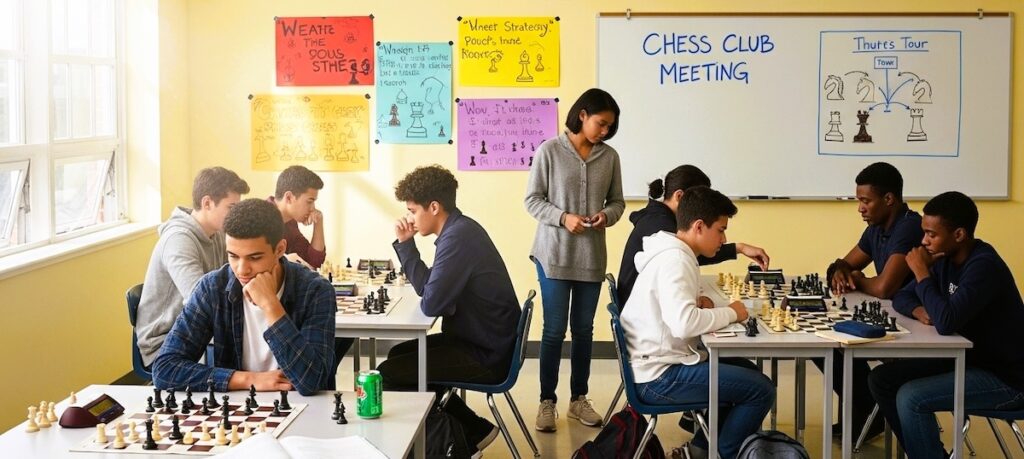
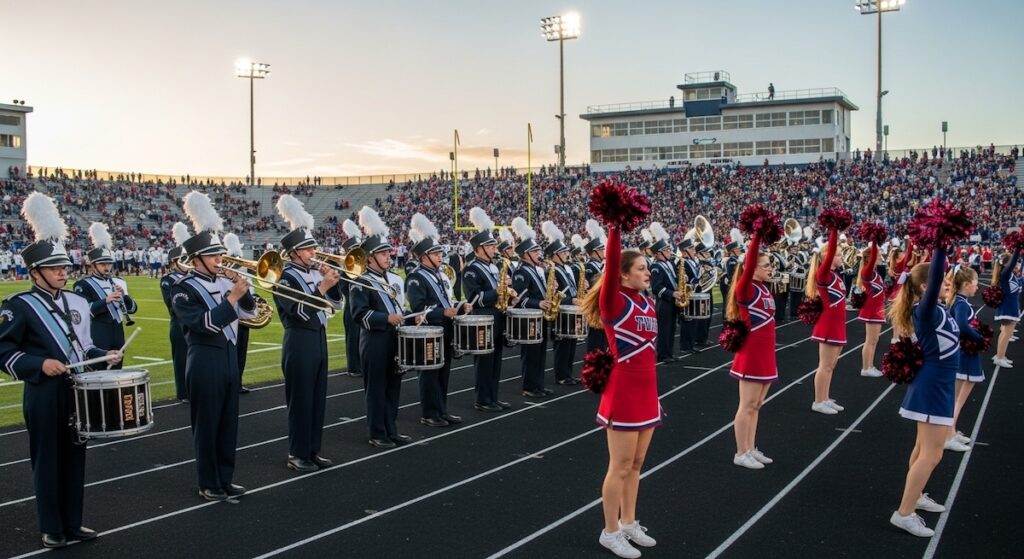
Public schools often offer a wide variety of extracurricular activities, everything from football and basketball to theater, band, robotics, and even chess clubs. These programs provide creative outlets and physical development alongside academic learning. Participating in extracurriculars also gives kids a sense of purpose and belonging. Whether it’s scoring a goal, playing a solo at the school concert, or winning a debate competition, these moments build self-esteem and drive. For many students, it is these activities—not just academics—that keep them engaged and connected to school life. Public schools are typically better funded in these areas than smaller private institutions or homeschools. They have access to athletic fields, music rooms, science labs, and art studios—allowing kids to explore interests they may not even know they have yet.
In public school extracurriculars, students aren’t just participants—they’re leaders in the making. Student councils, team captains, peer tutors, and club presidents are all roles commonly held by kids in public schools. These leadership roles help students build confidence, responsibility, and decision-making skills. Working as part of a team—whether in drama, science fairs, or athletic competitions—teaches accountability and collaboration. These are real-world skills that employers and colleges look for down the line. Plus, being part of a team or club helps children understand their strengths, how to contribute, and how to support others win for both individual growth and community engagement.
One of the major strengths of public schooling is its legal obligation to support students with disabilities. Under the Individuals with Disabilities Education Act (IDEA), public schools must provide Individualized Education Programs (IEPs) or 504 plans for qualifying students.
These services can include speech Therapy, occupational therapy, counseling, assistive Technology, or even one-on-one aides. Public schools also employ specialized staff, like psychologists and intervention specialists, who help students overcome barriers and thrive academically. These supports are not typically as extensive or legally enforced in private schools. For parents of children with special needs, public schools often offer the most robust and legally protected educational pathways.
Public schools are deeply embedded in the communities they serve. Kids often go to school with their neighbors, play on the same sports teams, and grow up attending local events together. This creates a strong sense of belonging and stability that private or distant schools may not offer.
When a child sees their classmates outside of school—at parks, community centers, or local events—it reinforces those Relationships and builds stronger communal ties. This continuity fosters deeper friendships and a greater sense of responsibility toward their neighborhood and peers. Public school events like open houses, carnivals, cultural nights, and fundraisers bring families together, creating a tightly knit support network. These shared experiences help build trust, collaboration, and shared values among families, educators, and students.
One of the understated strengths of public schooling is how it cultivates future citizens. Through student government, service projects, and civic education, public schools teach kids the importance of giving back and being involved. Many public schools offer service-learning opportunities where students engage with local nonprofits, volunteer for clean-up drives, or support community causes. These programs help children understand societal structures, the importance of advocacy, and how they can play a role in shaping their world. Civic engagement isn’t just an add-on—it’s embedded in the curriculum. Students learn about voting, governance, environmental responsibility, and cultural sensitivity. This foundation in civic responsibility helps produce socially conscious, informed adults who are ready to contribute meaningfully to society.
Life isn’t a bubble. And neither is public school. Students in public schools encounter a broad mix of people, experiences, and challenges that reflect the complexity of the real world. From group projects with different personalities to navigating a busy cafeteria, public school teaches kids resilience, adaptability, and independence. They learn how to manage time, meet deadlines, and deal with disappointment—like not making the team or failing a test. These experiences may be tough, but they help kids develop grit and resourcefulness. Public education also introduces students to practical life skills—budgeting, communication, digital literacy, and critical thinking. By interacting with diverse peers and adapting to a variety of teaching styles, students gain a well-rounded worldview that private or home settings might struggle to replicate.
Many public high schools go beyond textbooks to prepare students for life after graduation. College counseling, internship programs, and career-tech pathways expose students to multiple future options. Public school students can attend career fairs, participate in mentorship programs, or take career-oriented classes like culinary arts, engineering, Health sciences, and computer programming. Dual-enrollment programs with community colleges let them earn college credit early, saving Money and boosting confidence. In essence, public schools help students build both academic and real-world readiness. Whether a student wants to go to college, enter a trade, or start a business, public schools offer the infrastructure and support to make it possible.
Public schools have long-standing traditions, legacies, and alumni networks that create a sense of identity and pride. From homecoming games to class reunions, these events help build loyalty and community spirit that lasts for generations. Alumni often return to support current students—whether through scholarships, mentorships, or motivational talks. That sense of continuity gives current students role models and a vision for what’s possible. This shared heritage can’t be replicated in transient or smaller school environments. The Legacy of a public school lives on through its students, teachers, and community involvement, creating a cycle of inspiration and success.
Public schools are more than just buildings where children learn math and science. They are vibrant communities that nurture academic potential, social development, civic responsibility, and emotional resilience. From experienced educators to diverse peer groups and endless opportunities for growth, public schools provide a holistic, inclusive, and powerful education experience for all. Choosing public school is choosing community, opportunity, and equity. It’s where kids learn to live in the real world—and shape the future of it.