

If you had told me five years ago that sitting in silence could completely shift the way I see the world, I would’ve laughed. Life was chaotic filled with deadlines, distractions, and emotional roller coasters. Meditation? That felt like something monks did on mountaintops, not people like me who juggled jobs, Family, and a brain constantly on overdrive. Meditation didn’t just help me cope, it transformed everything. What started as a few awkward minutes sitting with my eyes closed turned into a daily ritual that redefined my Mental Health, emotional balance, and overall well-being.
Like many people, I stumbled into meditation out of desperation. I was burned out—mentally exhausted, emotionally reactive, and physically drained. I couldn’t focus for more than ten minutes without checking my phone. My Sleep was erratic, and Stress followed me like a shadow. I needed something—anything—to help me breathe again. That’s when I found a podcast episode talking about meditation. The guest wasn’t a spiritual guru, just a regular person who swore meditation saved their sanity. That tiny spark of curiosity was enough. I downloaded a meditation app and promised myself I’d give it five minutes a day for a week.

I wasn’t seeking enlightenment; I was just hoping to feel less anxious and more in control. I had tried Therapy, self-help books, even journaling, but something always felt like it was missing. The idea of sitting quietly, tuning into my breath, and watching my thoughts sounded bizarre, but strangely appealing. I didn’t expect a miracle. I just wanted to feel better. And so, with no incense, no fancy cushions, and no idea what I was doing, I began.
Honestly, I thought I’d instantly feel calm. I imagined myself sitting peacefully, with a blissed-out expression like those people in meditation ads. Reality? It was brutal. My mind raced. Thoughts about work, dinner, emails, laundry, they all came crashing in. I couldn’t sit still. I kept peeking at the timer, thinking, “How long is five minutes, really?” It felt like an eternity. But strangely, when I opened my eyes after that first session, something subtle had shifted. I felt… lighter. Not dramatically, but enough to try again the next day. The first week was filled with doubt. I kept thinking I was doing it wrong. I expected silence in my head and felt like a failure when my brain kept chattering. But slowly, I realized that meditation isn’t about stopping thoughts—it’s about observing them. Like clouds passing through the sky. Once I stopped fighting the noise and started witnessing it, something inside began to soften. That subtle inner shift was addictive. I wasn’t “good” at meditation yet, but I was hooked by the possibility.
Building a habit isn’t easy. I had good days when I meditated for 10 minutes and felt amazing. And then I had days I skipped it entirely and told myself, “I’ll double it tomorrow,” which rarely happened. I’d fall off the wagon and then beat myself up about it. But here’s what made the difference: I stopped aiming for perfection. Instead, I aimed for consistency. Even one mindful breath a day counted. That mindset shift was huge. Eventually, I found a groove. I started waking up a little earlier just to sit in silence before the world demanded my attention. That 10-minute morning session became sacred. It was like a daily reset button for my brain. Over time, the habit built itself. I didn’t need reminders or willpower anymore. Meditation became part of who I was. The days I skipped, I felt the difference immediately—more scattered, more reactive. The power of routine built the foundation for everything that came next.
Before meditation, my brain felt like a browser with 50 tabs open, most of them frozen, some blasting random noise. I couldn’t focus for more than a few minutes without zoning out. But something wild started happening about a month into my meditation practice. The fog began to lift. I could focus on tasks longer. I don’t forget things as often. My thoughts slowed down just enough for me to think clearly. It wasn’t some magical transformation overnight—but the changes were real, and they were happening. Meditation trains your brain like the gym trains your muscles. Every time I brought my attention back to my breath, I was strengthening my focus. That mental “reps” concept made sense. Over time, I noticed I was more productive at work. I wasn’t jumping between tabs or doom-scrolling during meetings. I could actually finish a task without checking my phone five times. For someone with a scattered mind, that felt like a superpower. And all I had to do was sit quietly for a few minutes a day.
Before meditation, my emotional state was like a roller coaster—high highs, low lows, and zero control. If something upset me, I’d spiral for hours. If Anxiety hit, it would knock me out of commission for days. Meditation taught me one of the most powerful lessons I’ve ever learned: you don’t have to believe every thought or emotion that arises. Sitting in silence forced me to face myself. At first, it was overwhelming. Old wounds, fears, doubts—they all surfaced like bubbles rising to the top of still water. But then something shifted. Instead of running from those Emotions, I started sitting with them. I learned to watch sadness without drowning in it. I observed anger as a sensation, not a command. Meditation gave me the space between stimulus and response—the space where healing happens. I began to understand that emotions are like weather—they come, they go. And they don’t define me.
Before, I was reactive. If someone said something that annoyed me, I’d snap. If things didn’t go my way, I’d panic. But meditation created this beautiful pause. It’s like a gap opened between my feelings and my actions. I could feel the heat of frustration rise… and still choose kindness. That’s not to say I became a Zen master overnight, but I noticed the change. I was less explosive. I could apologize faster. I didn’t take everything personally. That kind of emotional regulation is life-changing, especially in Relationships. Meditation gave me the keys to emotional maturity I never knew I needed.
Insomnia had been my nighttime enemy for years. I’d lie in bed, overthinking, stressing about tomorrow, replaying yesterday. But something amazing happened a few weeks into daily meditation: I started sleeping better. Not just falling asleep faster—but staying asleep. My dreams got calmer, my body more rested. I later learned that meditation lowers cortisol (the stress hormone) and helps activate the parasympathetic nervous system—the body’s natural chill mode. My evening routine changed. Instead of scrolling through my phone, I’d do a short, guided meditation. Even five minutes of deep breathing helped signal to my body that it was safe to rest. The result? More energy during the day, clearer thinking, and way fewer caffeine-fueled mornings.
We hear it all the time: “Meditation reduces stress.” But hearing it and experiencing it are two totally different things. I didn’t realize how much tension I carried in my body—clenched jaw, stiff shoulders, shallow breathing—until I started paying attention. Daily meditation became my stress detox. Even on chaotic days, I had this internal sanctuary I could retreat to. My body began to respond differently to pressure. I no longer panicked when a deadline was looming, or a problem popped up. Meditation taught me to breathe through challenges, to stay grounded when everything around me felt shaky. Over time, my body became less reactive, my mind more composed, and my overall Health more stable.
Before meditation, I was often wrapped up in my own thoughts, worries, and frustrations. It was hard to connect with others because I wasn’t fully present, not even with the people I loved most. Something beautiful happened as my practice deepened: my capacity for empathy expanded. I started to really see people—not just hear their words but feel their emotions. I listened more, judged less. Meditation taught me to recognize the shared human experience—the fact that everyone is carrying their own struggles, fears, and hopes. This shift made me softer, more compassionate. I began responding to my partner with understanding instead of impatience. I reached out to friends I had grown distant from. Even strangers got a smile instead of a glare. Meditation turned my interactions into opportunities for connection, not conflict. Sitting in silence with yourself can make you Love others more deeply.
If there’s one thing I’ve learned, it’s that most people just want to be heard. Meditation sharpened my ability to listen—really listen—without interrupting, without mentally preparing my reply, without judgment. This alone improved my relationships more than any advice book ever could. Whether it was with family, friends, or coworkers, I became more patient, more curious, more open. Judgment started to fade away. I realized that most of the judgments I placed on others were actually reflections of my own insecurities. Once I started working through those inner blocks during meditation, I could see people more clearly—and kindly. Meditation doesn’t just help you relate better to yourself; it changes the way you show up in every relationship you have.
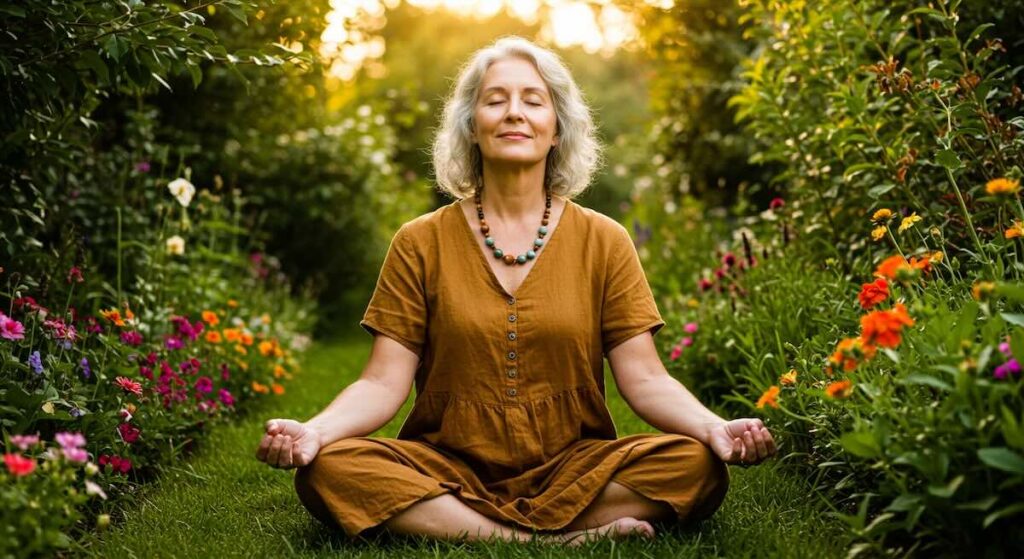
Meditation is no longer just a practice—it’s a part of who I am. It’s my reset button, my emotional anchor, my sacred space. I’ll keep meditating because life will always be messy, and I want to meet that mess with calm and presence. I’ll keep meditating because it reminds me who I am beneath the noise. And most of all, I’ll keep meditating because it works.
Meditation didn’t solve all my problems. It didn’t erase my fears or make me immune to stress. But it gave me something far more valuable, it gave me space. Space to breathe, to pause, to respond instead of reacting. It gave me access to peace, Clarity, and strength I didn’t know I had. Whether you’re looking to calm your mind, heal emotional wounds, or simply be more present, meditation offers a path. Not an easy one, but a powerful one. One breath at a time, it changed my life—and it can change yours, too.