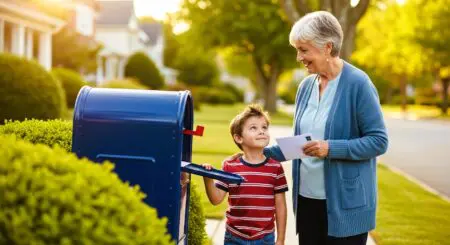

Tradition is more than just lighting candles during holidays or gathering around the table for Sunday dinners. At its core, tradition refers to beliefs, customs, and practices that are handed down from generation to generation. It encompasses rituals, celebrations, cultural values, social norms, and even the way families interact. These traditions can be deeply rooted in religion, culture, geography, or familial history, and they serve as a roadmap for how individuals and societies operate.
The origins of tradition trace back to ancient times when knowledge was preserved through oral storytelling, symbols, and repeated practices. In those days, tradition served as a survival mechanism—guiding behaviors in ways that maintained harmony, promoted well-being, and helped communities function smoothly. Over time, many of these traditions became embedded in daily life, forming the invisible backbone of cultures. But as society evolves, so too does the relevance of tradition. What was once considered sacred, or mandatory, may now be viewed as outdated or even controversial. This tension between preserving the past and adapting to the present is especially pronounced in families across multiple generations—like my generation of Baby Boomers and our children and grandchildren.
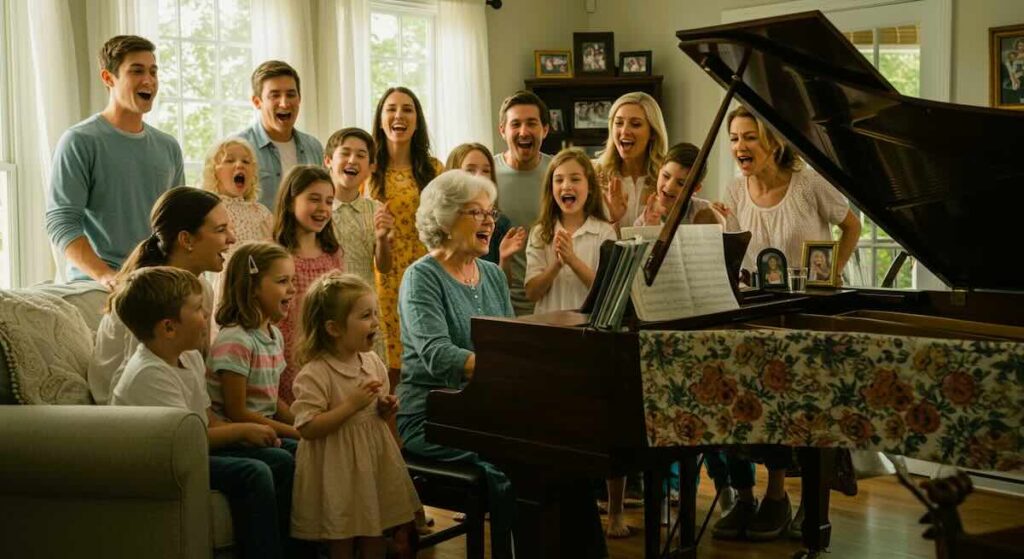
Traditions offer a sense of belonging. They’re the glue that holds families and communities together, creating shared experiences and a collective identity. Think about the comfort of a childhood recipe, the meaning behind a Family heirloom, or the annual summer trips that bring everyone back home. These rituals may seem simple, but they carry immense emotional weight.
Socially, traditions set expectations. They tell people how to behave, what roles to play, and what values to uphold. From religious ceremonies like baptisms and weddings to everyday customs like saying grace before meals or showing respect to elders—traditions shape behavior and influence mindsets.
However, their importance isn’t just about nostalgia. Traditions provide structure, especially during times of uncertainty. They create a sense of continuity, grounding people even as the world changes rapidly around them. For my generation, this meant living in a world where tradition provided comfort and predictability. For my children and grandkids, that same structure can feel restrictive or irrelevant, depending on their values and experiences. So, tradition is a double-edged sword. It can foster unity or fuel conflict. It can inspire pride or generate pressure. Understanding its role today means examining how each generation interacts with it.
Technology has radically transformed how we experience and share traditions. In my generation, traditions were passed down face-to-face: in churches, family homes, or community centers. Today, much of that sharing happens online—via video calls, social media, digital storytelling, and even apps that preserve family history. For Boomers, this shift can be both a blessing and a burden. On the one hand, we can keep in touch with faraway grandchildren, join virtual religious services, and record family stories for posterity. On the other, we may feel that the “soul” of tradition gets lost in digital translation. FaceTime isn’t the same as sitting around the table, and emojis don’t carry the emotional weight of a handwritten letter. Younger generations, however, often embrace this new normal. They create digital scrapbooks, record TikToks about family customs, or livestream holiday events. They might revive an old recipe but add a modern twist—and then post it online for others to enjoy. In many ways, technology has allowed traditions to become more inclusive and accessible.
Even language and storytelling have adapted. Grandkids might not remember a grandparent’s bedtime story, but they’ll replay a voice memo of that story again and again. Cultural traditions, once confined to tight-knit communities, are now shared globally leading to an exchange of practices that blend heritage with Innovation. The danger lies in losing depth for convenience. When traditions become “content,” there’s a risk they turn into performance rather than practice. But if used mindfully, technology can be a powerful ally in preserving and evolving tradition, keeping it alive not just in memory, but in action.
Tradition is deeply intertwined with identity. It helps individuals understand who they are, where they come from, and what they stand for. For Baby Boomers, cultural and familial traditions provided a clear framework. Your religion, ethnic background, and gender largely determined your role in the family and society. For our kids and grandkids, the picture is more complex. Identity is no longer shaped by tradition alone—it’s now influenced by global exposure, personal exploration, and diverse social influences. Still, traditions offer a grounding force. Even a single ritual—lighting a candle on a holiday, singing a childhood song, wearing a family heirloom—can spark a powerful sense of connection to the past.
Cultural traditions are finding new life. Young people with immigrant parents or multiracial heritage are revisiting ancestral customs—not necessarily in the exact form they were practiced, but as a way to reconnect with their roots. Wearing traditional clothing, learning native languages, or honoring ancestors are becoming meaningful acts of self-definition. However, tradition can also create identity conflict. For those who feel alienated by their cultural or religious backgrounds—due to sexuality, gender identity, or personal beliefs—tradition can become a source of tension. Boomers may see a departure from tradition as a rejection of heritage, while younger generations may see it as a necessary step toward authenticity. Navigating identity through tradition requires nuance. It’s about asking: What parts of my heritage strengthen me? Which ones do I need to reimagine? Tradition, at its best, should be a mirror, not a mold.
Not all traditions are harmless or uplifting. Some carry the weight of outdated norms, toxic expectations, or systemic injustice. Think of traditions that silence women, marginalize LGBTQ+ people, glorify overwork, or enforce rigid gender roles. While Boomers’ parents may have normalized these traditions, today’s younger generations are more vocal in calling them out.
For instance, the pressure to get married by a certain age or have children might have made sense in the 1960s, but for Millennials or Gen Z, it can feel like a cage. Family customs that exclude non-binary or queer relatives send a message of conditional acceptance. Religious practices that shame or exclude can damage Mental Health and fracture families. Boomers may feel hurt when these traditions are questioned, interpreting it as rejection. But often, it’s not the tradition itself being rejected, it’s the harmful parts embedded within it. The burden comes when there’s no room for discussion, evolution, or individual needs. Breaking with tradition takes courage. It often means disappointing family, challenging authority, and facing judgment. But it can also be liberating. It opens the door to healthier Relationships, greater self-respect, and new traditions that reflect real values instead of outdated rules. The goal isn’t to destroy tradition—it’s to reshape it into something that uplifts rather than oppresses. Sometimes, honoring your lineage means rewriting the script.
Despite all the challenges and debates around tradition, there’s a reason why we still cherish them: they offer powerful benefits that go beyond nostalgia. When practiced with intention and inclusiveness, traditions become a vital force for connection, meaning, and Legacy. At their core, traditions foster bonding. Whether it’s an annual holiday dinner, a bedtime story passed down through generations, or a shared celebration of life milestones—these moments bring people together in ways that transcend everyday routines. They create memories that last a lifetime and build shared emotional language between family members. Traditions also provide a sense of identity. In a world that often feels fragmented and fast-moving, knowing where you come from—your family’s customs, language, food, and values—can anchor you. They answer questions like: Who am I? What is my place in this family? What matters to us? For children, especially, this is incredibly grounding.
Then there’s the power of legacy. Traditions give families a way to tell their story across generations. A wedding toast that references Grandpa’s old joke. A quilt made from clothes of relatives long gone. A recipe card in your great-grandmother’s handwriting. These aren’t just objects or events—they’re living connections with people who help shape who you are. In multicultural or blended families, traditions also become bridges. Sharing customs from different cultures enriches family life and promotes understanding. Children who grow up with diverse traditions often become more empathetic, open-minded, and proud of their heritage. The key is ensuring that these traditions are practiced with Love, not pressure—as invitations, not obligations. When families allow traditions to evolve with their members, they remain relevant and powerful across generations.
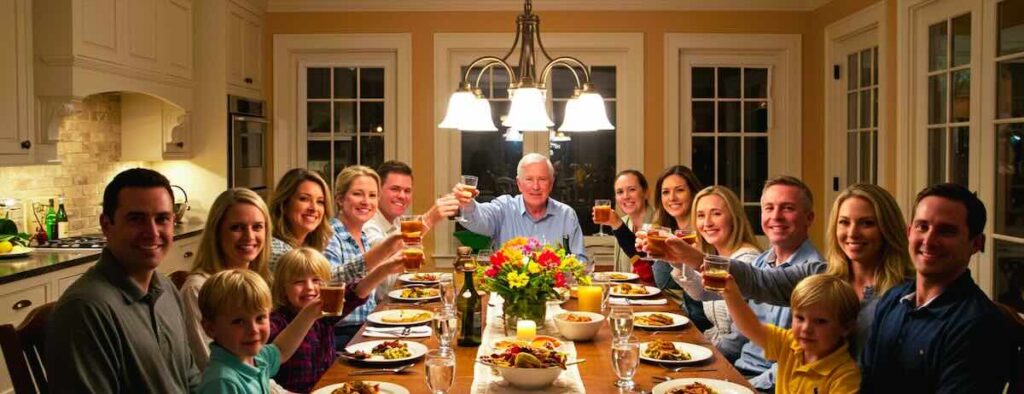
Tradition is not static—it’s a living, breathing part of our identity that evolves with us. For the Baby Boomer Generation, traditions represented structure, values, and community. They were the anchors of life. But as the world has changed, so too has the way we understand and engage with these customs. Our children and grandchildren are now reimagining what tradition means—keeping the heart of it while reshaping its form. Some traditions are being lovingly preserved. Others are being challenged or discarded. And new ones are being created that better reflect today’s values of inclusivity, authenticity, and connection. What’s clear is that tradition still matters. It gives us stories, roots, and reasons to gather. But it must evolve to remain meaningful. It should inspire joy, not guilt. It should connect, not divide. And it should reflect who we are now—not just who we were. The best traditions are not about sameness—they’re about shared meaning. When each generation has the freedom to choose, create, and contribute, tradition becomes a legacy worth carrying forward.