

Depression in senior citizens isn’t just feeling “a little down.” It’s a serious, often overlooked Mental Health condition that affects millions of older adults. It’s characterized by persistent sadness, a loss of interest in previously enjoyed activities, fatigue, and a lack of motivation. What’s heartbreaking is that many seniors don’t even realize they’re suffering from depression. They might assume it’s just part of Aging or a consequence of declining Health.
Statistically, more than 7 million Americans aged 65 and older experience depression each year. That number is expected to rise as the aging population grows. Despite its prevalence, Elderly depression often goes undiagnosed and untreated. Why? Because its symptoms can easily be mistaken for other illnesses or written off as age-related changes. Imagine waking up every day with aches, having no Family around, losing close friends to time, and watching your independence slip away. It’s easy to see how emotional health can take a hit.
One of the most significant contributors to depression in the elderly is chronic illness. As we age, our bodies become more susceptible to diseases like Arthritis, Diabetes, cardiovascular conditions, and Cancer. These aren’t just physically draining—they also chip away at mental resilience. Pain plays a crucial role. Chronic pain isn’t just uncomfortable; it’s exhausting. Imagine living every day with constant discomfort and no end in sight. It affects Sleep, mood, and the ability to enjoy life. Seniors often face a cycle: illness causes pain, pain limits activity, inactivity leads to isolation, and isolation fuels depression.
These health issues bring Lifestyle changes that are hard to accept. The inability to drive, walk without assistance, or even get dressed without help can lead to a crushing sense of loss of independence. These physical limitations may leave seniors feeling like a burden, compounding depressive feelings.
Loneliness is a silent killer among older adults. Many seniors outlive their spouses and friends. Children move away, and the daily social interactions that once filled their lives slowly vanish. With limited mobility or transportation, even simple activities like going to the grocery store or attending church can become challenges. Social isolation doesn’t just lead to sadness—it has measurable health impacts. Studies show it’s as harmful as smoking 15 cigarettes a day. Seniors who are isolated are more likely to suffer from high blood pressure, Heart Disease, and yes, depression.
Now think about the past few years—COVID-19 amplified this issue exponentially. Older adults, especially those in care homes, were cut off from physical contact for months. That isolation left deep scars that many are still recovering from.
As we age, we inevitably face more loss. Whether it’s a lifelong partner, close friends, or even pets, each death leaves a void that can be difficult to fill. Grief is a normal response, but in seniors, it can linger and evolve into chronic depression. Grieving as a senior is complex. We’re not just mourning the person—we’re mourning the life we shared; the future plans we had, and even the roles we played (like being a spouse or caregiver). It can feel like parts of our identity are being stripped away with every loss. Sadly, many seniors are told to “be strong” or are expected to quickly bounce back. But grief doesn’t work on a schedule, especially when it’s compounded by physical decline and dwindling social circles. Without proper emotional support, depression can easily take hold.
Money problems don’t magically disappear at Retirement. In fact, for many, financial Stress becomes worse. Fixed incomes, rising healthcare costs, unexpected medical bills, and insufficient savings can all contribute to Anxiety and depression. Imagine trying to decide between buying groceries or paying for medication. That’s the harsh reality for countless older adults. Women, in particular, are at a higher risk due to longer life expectancies and often smaller retirement savings. And let’s not forget the emotional toll of feeling financially dependent on others. It can be incredibly demoralizing for someone who once provided for an entire family to suddenly rely on their children or government assistance just to get by.
Retirement is often portrayed as a long vacation—but for many, it can feel more like an identity crisis. After decades of working, raising families, and staying active in our communities, retirees often struggle to find new meaning in daily life. Without a job to go to, a team to lead, or goals to chase, seniors may begin to feel irrelevant or invisible. This feeling is worsened if there’s no hobby, volunteer work, or social activity to fill the gap. Many seniors also miss the structure and routine that work provided. Days blend together, and without a reason to get up in the morning, motivation wanes. This loss of purpose can quietly turn into a depressive spiral.
Depression in older adults doesn’t always look the same as it does in younger people. It’s not just about crying or feeling sad—sometimes, the symptoms are subtle and easily dismissed. Seniors may start sleeping too much or too little, lose interest in hobbies, or complain frequently about aches and pains that don’t seem to have a physical cause. One major red flag is withdrawal. A once-social person may suddenly stop returning calls, attending events, or leaving the house. You might notice a decline in personal hygiene or a messy home that used to be spotless. These behavioral shifts are often cries for help disguised as apathy or forgetfulness.
Other emotional indicators include irritability, anxiety, feelings of worthlessness, and persistent guilt. Seniors may frequently express that they feel like a burden or that life no longer has meaning. When someone says things like “I just don’t see the point anymore” or “I wish I could go in my sleep,” these should never be brushed off as harmless talk. It’s essential for caregivers and loved ones to be observant and take these signs seriously. Depression isn’t a normal part of aging, and seniors showing these symptoms deserve compassion, attention, and proper care.
Unlike teenagers or middle-aged adults who might show more visible emotional distress, older adults often present depression through physical complaints. They might talk about fatigue, headaches, digestive issues, or unexplained pain. Because of this, depression in seniors is frequently misdiagnosed or attributed solely to physical ailments.
Another big difference is the presence of cognitive symptoms. Seniors with depression often experience confusion, memory problems, or difficulty concentrating. This can be mistaken for early dementia, leading to incorrect treatment and further emotional distress. Furthermore, elderly individuals are less likely to openly express feelings of sadness or hopelessness. Cultural and generational factors play a role, making them more stoic or private about their emotional suffering. They may use vague terms like “feeling off” or “just not right,” which can easily be misunderstood. Recognizing these nuanced differences is critical. Proper screening, open conversations, and understanding the unique presentation of depression in older adults can make all the difference in getting them the help they need.
The support of family members and caregivers plays a crucial role in managing and even preventing depression in seniors. But support isn’t just about providing transportation or reminding them to take medications—it’s about emotional presence, consistent engagement, and genuine connection. First and foremost, listen. Really listen. If a senior expresses sadness or worry, don’t dismiss it with phrases like “you’re just tired” or “everyone gets down sometimes.” Validate their feelings, encourage open conversation, and remind them that it’s okay to not be okay.
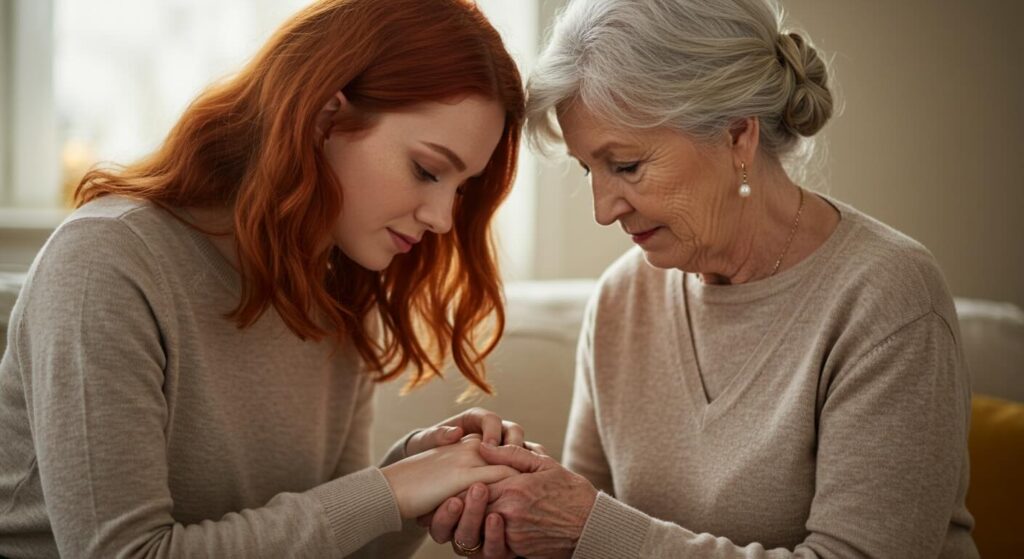
Spending quality time together is invaluable. Whether it’s sharing meals, playing games, or watching a favorite movie, these small moments reinforce that they are loved and valued. Physical touch—like holding hands or a gentle hug—can also go a long way in communicating care. Be proactive about checking in, especially if you live far away. Regular calls, video chats, or even handwritten letters can make a big difference. Also, encourage them to stay socially active, even if that means helping them get involved in a local senior center or hobby group. Lastly, help them navigate the healthcare system. Accompanying them to doctor’s appointments, managing medications, or researching mental health resources shows that you’re truly invested in their well-being.
Creating an environment that fosters emotional wellness involves more than just eliminating risks—it’s about promoting joy, autonomy, and connection. Simple changes like ensuring access to natural light, keeping familiar photos and objects nearby, or playing their favorite music can brighten their daily experience. Encouraging independence is also vital. Let them make decisions whenever possible, whether it’s about meals, daily routines, or leisure activities. Autonomy boosts self-esteem and reduces feelings of helplessness.
Supportive environments should also include opportunities for physical activity, creative expression, and community involvement. Whether it’s setting up a small garden, arranging a weekly coffee group, or offering transportation to events, these activities give seniors something to look forward to. Caregivers and family members have the power to shape environments that either uplift or depress. With intention and empathy, we can create spaces that promote dignity, purpose, and mental health.

Depression among senior citizens is a quiet crisis hiding in plain sight. Beneath the surface of golden years and retirement dreams, many adults are silently battling emotional pain that often goes unnoticed or unacknowledged. From chronic illness and cognitive decline to isolation, financial strain, and the loss of loved ones, seniors face a complex web of emotional challenges. But it doesn’t have to be this way.
Through awareness, compassion, and concrete action, we can change the narrative. We can support our elders by listening, advocating, and creating inclusive environments where they feel seen, safe, and supported. They’ve spent their lives taking care of us. It’s time we take care of them—with dignity, respect, and the mental health care they so deeply deserve.