

Ever caught yourself sitting in the same room as your grandkids, watching them laugh, play, or talk—and yet feeling a strange disconnect? You’re physically there, but something’s missing. It’s not that you don’t Love them—you do, deeply. But there’s a wall, invisible yet very real, that keeps you from expressing that love in ways they might understand. If this sounds familiar, you’re not alone.
Many grandparents silently struggle with being emotionally available. It can feel confusing, even shameful, especially when you hear stories of grandparents being their grandkids’ best friends. You might wonder, why don’t I feel that? Or What’s wrong with me? Nothing is “wrong” with you. Emotional unavailability isn’t a character flaw—it’s often a defense mechanism shaped by your past experiences, emotional wiring, and life’s ups and downs. Recognizing it is the first step toward change.
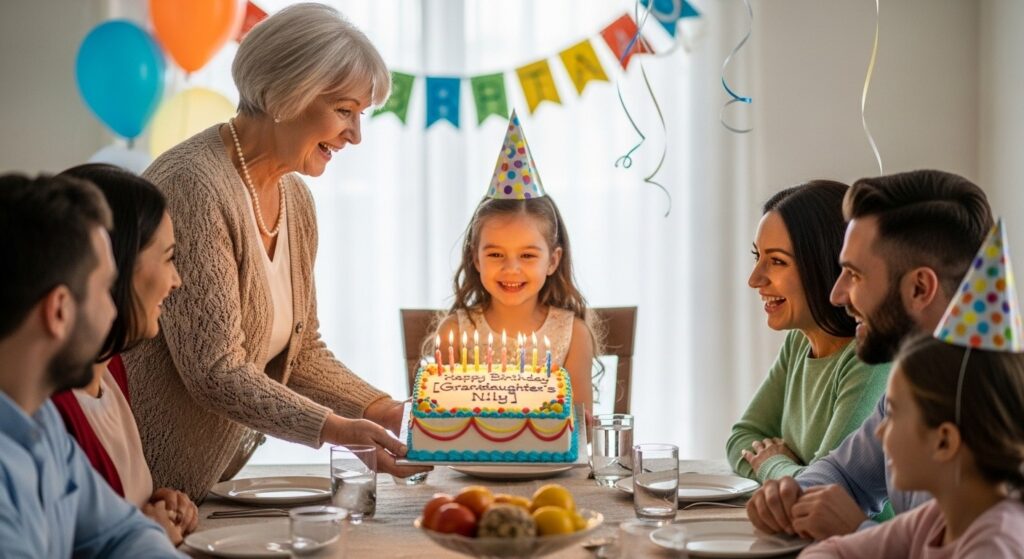
You might think, I’m always around. I babysit, I bring gifts, I show up to birthday parties, what more do they want? Emotional availability isn’t just about being there. It’s about being present. Being emotionally available means being open to the feelings of others—and your own. It’s about empathy, validation, presence, and warmth. Think about the difference between hearing and listening. Or between hugging because you feel you should and hugging because you feel it in your soul.
Examples of emotional availability include:
In contrast, emotional unavailability may look like:
Once you see what emotional presence really is, you can begin to notice where you might be missing that mark—and how to grow toward it.
If you are not feeling emotionally connected to your grandkids, it doesn’t mean you’re cold or heartless. There are very human reasons behind emotional unavailability, often rooted in your past, your mental and emotional well-being, and the emotional landscape you grew up in. Common reasons include:
1. Unresolved Trauma or Emotional Pain
Many of us carry emotional wounds we’ve never fully dealt with—childhood neglect, abuse, emotional repression, or traumatic events. If no one was emotionally present for you as a child, you may never have learned how to show up that way for others. These wounds don’t just disappear with age. They stay buried, often creating emotional numbness or fear of vulnerability.
2. Generational Beliefs About Emotions
Older generations were often taught to “toughen up,” “keep emotions private,” or “never show weakness.” Crying was seen as a sign of weakness. Expressing love openly? That was considered soft or unnecessary. If you were raised in this kind of environment, it’s no wonder emotional expression doesn’t come naturally. You weren’t taught how to do it, you were taught to survive, not to connect.
3. Burnout, Health, or Lifestyle Factors
Sometimes emotional unavailability isn’t emotional at all—it’s physical or logistical. Retirement isn’t always relaxing. Health issues, financial worries, Caregiving for a spouse, or even just sheer exhaustion can make you less available. If your energy is drained, showing up emotionally can feel overwhelming.
4. Depression, Anxiety, or Mental Health Struggles
Older adults can suffer from undiagnosed or untreated mental health conditions. Depression doesn’t always look like sadness; it can look like disinterest, fatigue, or emotional flatness. Anxiety might make you emotionally distant because you’re overwhelmed or consumed by worry. If this sounds familiar, know this: You’re not broken. You may just need help.
5. Grief or Fear of Loss
Sometimes, emotional unavailability is about self-protection. You may have lost someone close—your spouse, a child, a sibling—and the idea of getting too close to anyone else feels dangerous. So, you keep your guard up. You avoid bonding deeply with your grandkids because, deep down, the thought of losing them—or not being around long enough—hurts too much.
You may not realize how deeply your emotional presence—or lack of it—affects your grandkids. Kids are incredibly perceptive. They can feel when someone is “checked out,” even if they can’t explain it. Emotional unavailability can leave marks that last longer than you might think such as:
1. Confusion and Self-Doubt
When a child feels emotionally rejected—even subtly—they often blame themselves. They may wonder, Did I do something wrong? or Why doesn’t Grandma/Grandpa want to spend time with me? This internalized confusion can chip away at their self-esteem over time.
2. Emotional Insecurity
Kids need consistent emotional validation to feel secure. If they can’t count on you to be emotionally present, they may not trust emotional closeness with others. They may become emotionally guarded, just like you, repeating the cycle without realizing it.
3. Missed Opportunities for Wisdom and Guidance
You have so much experience to offer—life experience, stories, humor, and perspective. But when you’re emotionally distant, those moments of guidance and mentoring never happen. The richness of your relationship gets reduced to surface-level interactions.
4. Difficulty Connecting Later in Life
Grandkids who experience emotional distance may struggle to form strong emotional connections with their own children or others. That generational gap grows wider each time it’s not addressed.
But here’s the hopeful part: It’s never too late. Emotional repair can happen at any age. Even small changes in your emotional presence can make a massive difference in a child’s life.
You don’t need to become a therapist or suddenly turn into the “perfect grandparent” to be emotionally available. It’s not about big gestures, it’s about consistent, small moments of connection. Think of it like watering a plant. You don’t drench it once a year—you give it little sips often. That’s what emotional presence looks like.
1. Be Present, Not Perfect
Emotional availability starts with presence. That means putting away distractions—turn off the TV, set down your phone, and actually look at your grandchild when they speak. Being fully present, even for just 10–15 minutes, can have a lasting impact.
Ask yourself:
2. Validate Their Feelings
When your grandkids are upset, don’t dismiss or downplay their emotions. Say things like:
These simple affirmations let them know it’s safe to feel around you—and that’s priceless.
3. Share Your Own Feelings
Vulnerability builds trust. You don’t have to pour out your entire life story, but even saying, “You know, I’ve felt that way too,” or “Sometimes I get nervous, even now,” creates a powerful emotional connection. It shows them you’re not just an authority figure—you’re human, too. And that’s the kind of connection that sticks.
4. Apologize When You Get It Wrong
Emotional Growth doesn’t mean you’ll never mess up. But when you do, own it. Saying, “I’m sorry I wasn’t really listening earlier” or “I wish I had responded with more kindness,” teaches your grandkids that emotional responsibility is normal—not shameful. Apologies don’t weaken your position, they strengthen trust.
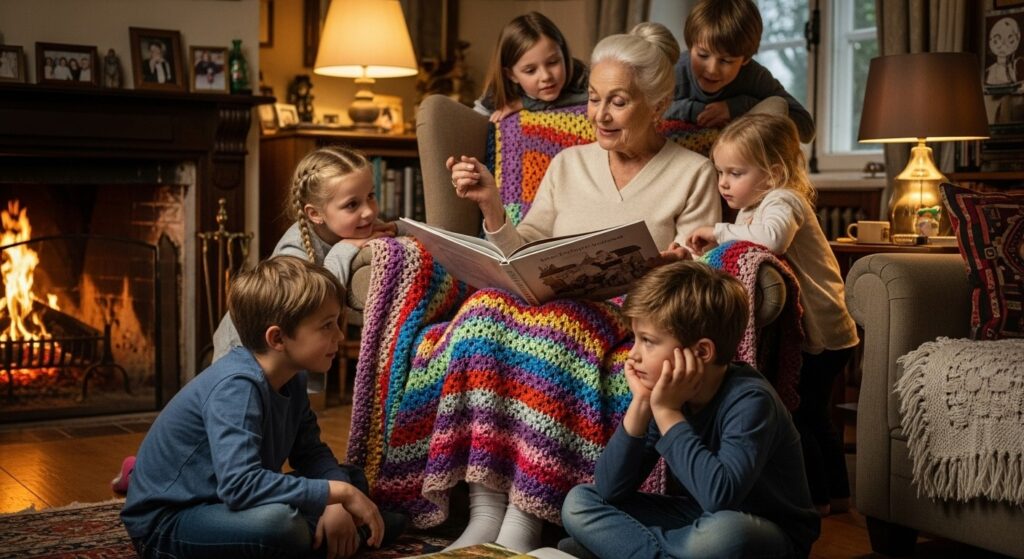
You may have spent years—maybe even decades—not knowing how to show up emotionally for others. That’s okay. You’re here now. You’re asking the question. You’re doing the work. And that matters more than you know. Your grandkids don’t need a perfect grandparent. They need you—flaws, stories, quirks, and all. They need your presence, your voice, your love. And no matter how disconnected things may feel now, connection is always just one honest conversation away. The most powerful Legacy you can leave isn’t Money or property, it’s emotional presence. It’s the kind of love they’ll carry for a lifetime.