

Growing older often comes with its fair share of challenges—Retirement, an Empty Nest, Health concerns, and sometimes even a deep sense of loneliness. Having a pet as we grow older can make a world of difference in your life. Getting a pet later in life isn’t just a cute idea. It’s a powerful decision that can improve your mental, emotional, and even physical well-being.
As we age, our priorities change. We start looking for companionship, purpose, and comfort in simple things. Pets are more than just animals—they’re loyal partners, affectionate companions, and living sources of unconditional Love. Whether it’s a dog wagging its tail every time you walk into the room or a cat curling up on your lap during your evening tea, the emotional connection is real and rewarding.
Life slows down a bit as we age. Our children grow up and move out, and retirement can leave a lot of empty time on our hands. Pets fill that gap beautifully. They require care, love, and attention, which means they also give us a sense of responsibility and a daily reason to get up, move, and interact. In short, pets offer companionship with no judgment and a ton of emotional payback.
Even science supports this. Studies have repeatedly shown that seniors who own pets are healthier, more active, and often live longer. The unconditional love and constant presence of a pet can drastically reduce Anxiety and Depression. For many older adults, pets aren’t just company—they’re Family. So, if you’re considering whether or not to adopt a pet as you age, the answer is a resounding yes, because you’re not just adopting an animal; you’re welcoming a daily dose of joy, comfort, and purpose into life.
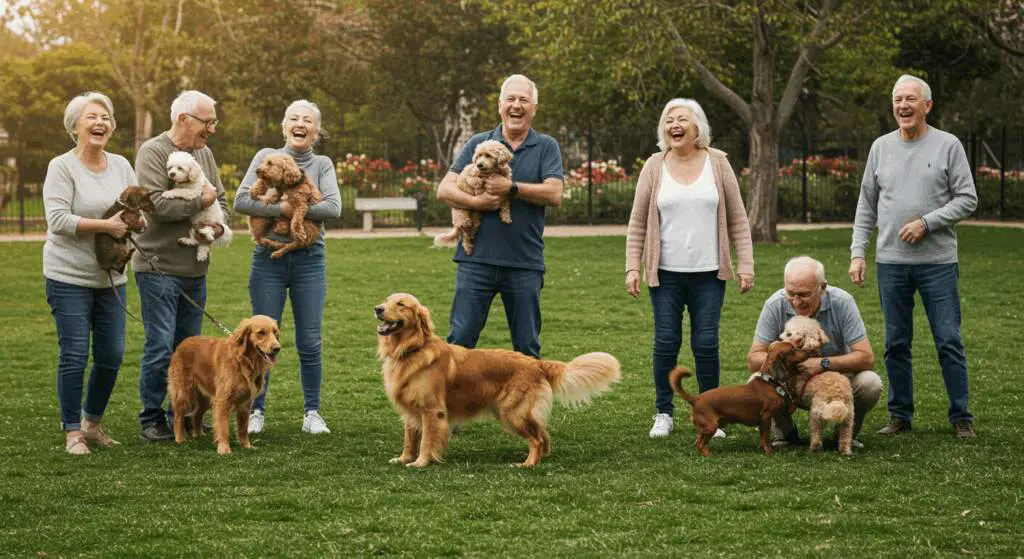
You might not think of your little furball as a personal trainer, but don’t be surprised when your doctor gives your pet some credit for your improved physical health. One of the biggest benefits of owning a pet, especially a dog, is the increased physical activity that comes along with it. From daily walks in the park to games of fetch in the backyard, pets naturally encourage movement and Exercise. Older adults who walk their dogs regularly show better mobility, improved endurance, and stronger muscles. And it’s not just about the physical movement; walking your dog exposes you to fresh air and sunlight, which increases your vitamin D levels and supports your immune system. You’re also more likely to keep up with an exercise routine when it’s linked to a pet’s needs—because let’s be honest, it’s hard to say no to those puppy eyes begging for a walk.
Owning a pet also comes with some cardiovascular perks. Numerous studies have shown that pet owners tend to have lower blood pressure and cholesterol levels. The calming presence of a pet can actually reduce the risk of heart attack and Stroke. Petting a dog or cat has been shown to lower cortisol (the Stress hormone) and increase levels of oxytocin, a feel-good hormone that helps regulate your heart. Another often-overlooked benefit is improved balance and coordination. Older adults who actively engage with their pets—by walking, bending, grooming, or playing—tend to maintain better motor function. These physical tasks keep the joints working and help reduce the risk of falls, which is a major concern for Aging populations. If you’re looking to stay fit and healthy, your pet could be the best workout partner you never knew you needed. Just remember that while they might not hold a stopwatch or yell out reps, their wagging tails and happy purrs are more than enough motivation.
If there’s one thing aging brings in abundance, it’s quiet moments. But sometimes, those quiet moments turn into something deeper, feelings of isolation, loneliness, or even depression. That’s where pets come in, not just as companions, but as powerful emotional healers. Their presence alone can lift spirits, calm anxious minds, and bring comfort during life’s quieter seasons. Loneliness is a silent epidemic among seniors, with many struggling to find meaningful daily interactions. Pets offer a sense of constant companionship. A dog sitting at your feet or a cat rubbing against your leg can remind you that you are not alone. It’s not just comforting, it’s therapeutic. Pet owners often report reduced levels of stress and depression, and increased feelings of happiness and purpose.
There’s also science behind the magic. Interacting with pets triggers the release of feel-good chemicals in the brain—serotonin, dopamine, and oxytocin. These are the same chemicals responsible for happiness, bonding, and emotional regulation. Petting your dog or hearing your cat purr creates a physiological response that helps calm the nervous system and reduce anxiety.
And let’s not underestimate the simple joy pets bring. They make you laugh with their quirks, entertain you with their antics, and provide a deep sense of love and loyalty. For many seniors, pets become their closest emotional confidants. They’re the ones who are always there—without judgment, without conditions. Whether it’s a wagging tail or a gentle purr, pets offer something profoundly healing for the mind and soul. In times when emotional support feels scarce, a pet could be the most loyal therapist you’ll ever have—one with fur, a tail, and a heart full of love.
One of the underrated perks of having a pet as we age is social interaction. It’s easy for older adults to retreat into solitude, especially after retirement or the loss of a spouse. But owning a pet can pull you right back into the heart of your community. Pets are natural social magnets. Take a simple dog walk, for instance. It’s not just exercise; it’s a social event waiting to happen. You’re more likely to strike up a conversation at the dog park, chat with a fellow pet lover at the vet, or even engage with your neighbors more often. Pets create common ground, and common ground leads to new connections.
And it’s not just about casual chats. Pet communities—like training classes, pet meetups, or Volunteering at animal shelters—offer structured ways to connect. You might find yourself part of a tight-knit group of dog walkers or joining a Facebook group for senior cat owners. These connections foster friendships and help combat the social isolation that can sneak in during retirement. Even for those with limited mobility, social media has opened up digital communities of pet lovers. Sharing pictures, exchanging tips, and even doing virtual meetups can help seniors stay connected from the comfort of their homes. Pets help create bridges where there were once walls, encouraging social interaction, boosting confidence, and making life a whole lot less lonely.
One of the quiet challenges of aging is the loss of routine. When we retire or when our kids grow up and move out, the daily structure that once defined our lives fades away. That’s where pets can make a massive difference. They bring back structure and give us a reason to get up, move, and follow a rhythm again. Pets are creatures of habit. They expect meals at a certain time, walks on a schedule, and playtime as a daily ritual. This means, as a pet owner, you’ll find yourself syncing up to their routine, and that’s a good thing. Establishing regular patterns helps regulate Sleep, reduce stress, and improve Mental Health.
For seniors, especially those living alone, these small responsibilities provide a tangible sense of purpose. Something as simple as preparing pet food, grooming, or planning a daily walk adds meaning to the day. And it’s not just about killing time, it’s about filling your time with care, attention, and love. Following a routine also helps with memory and cognitive functioning. When you remember that the cat eats at 8 a.m. or that it’s time for your dog’s walk at 5 p.m., you’re reinforcing mental habits and improving recall. It’s subtle but powerful. Moreover, caring for a pet builds a sense of accountability. You might skip breakfast, but you won’t forget to feed your dog. And by showing up for your pet, you start showing up more for yourself too. Your hygiene, your schedule, your overall energy, everything begins to improve. If you’re finding your days a bit too quiet or a little too unstructured, a pet could be the clock you didn’t know you needed. A living, breathing schedule that adds purpose, positivity, and rhythm to your life.
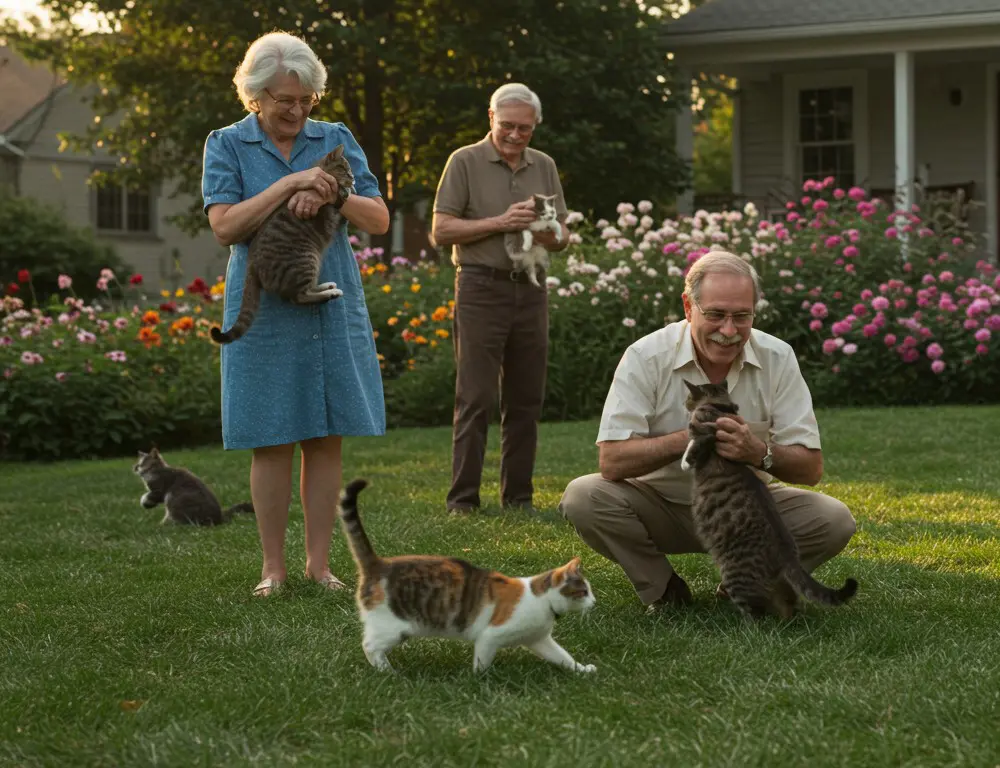
As we grow older, life invites us to slow down, reflect, and embrace simplicity. But that doesn’t mean life has to be lonely or empty. On the contrary, adding a pet to your world can fill it with energy, affection, and an unmatched sense of companionship. From lowering stress and improving health to creating daily joy and purpose, pets are a gift to seniors that keep on giving. Whether you’re walking your dog through the park, listening to your cat purr while you nap, or simply laughing at your parrot’s antics, you’re not just passing the time—you’re enriching your life. So, if you’re considering it, don’t wait. Open your heart and let a pet into your golden years. You won’t regret it.