
Sibling rivalry isn’t just a phase, it’s a complex, lifelong phenomenon. From the moment a sibling enters the Family, whether you’re the firstborn or the baby of the bunch, a subtle competition begins. It’s not always hostile or overt, but the underlying need for Love, approval, and validation can drive wedges between siblings from infancy to old age.
Jealousy doesn’t wait until children are verbal—it begins the moment a firstborn sees their parents doting over a new sibling. The introduction of a baby upends the balance of attention, and infants, while too young to articulate their feelings, often sense the shift. The eldest may react with behavioral changes such as clinginess, tantrums, or withdrawal. Parents, unintentionally, may feed this jealousy by constantly tending to the newborn’s needs, while expecting the older child to “understand” or “be the big sibling. “This early stage lays the groundwork for a lifetime of perceived competition. It’s the first time a child confronts the idea of sharing love and attention. The sense of “replacement” or decreased parental availability fuels feelings of rivalry that may remain dormant but resurface during stressful family times later in life.
The home becomes a subtle battleground. Who gets to sit on mom’s lap? Who does dad play with more? These micro-moments matter immensely to young children and set the stage for a pattern of comparison. If parents are not careful in how they manage time, affection, and discipline, this imbalance becomes a long-term emotional ledger that siblings mentally keep track of well into adulthood.
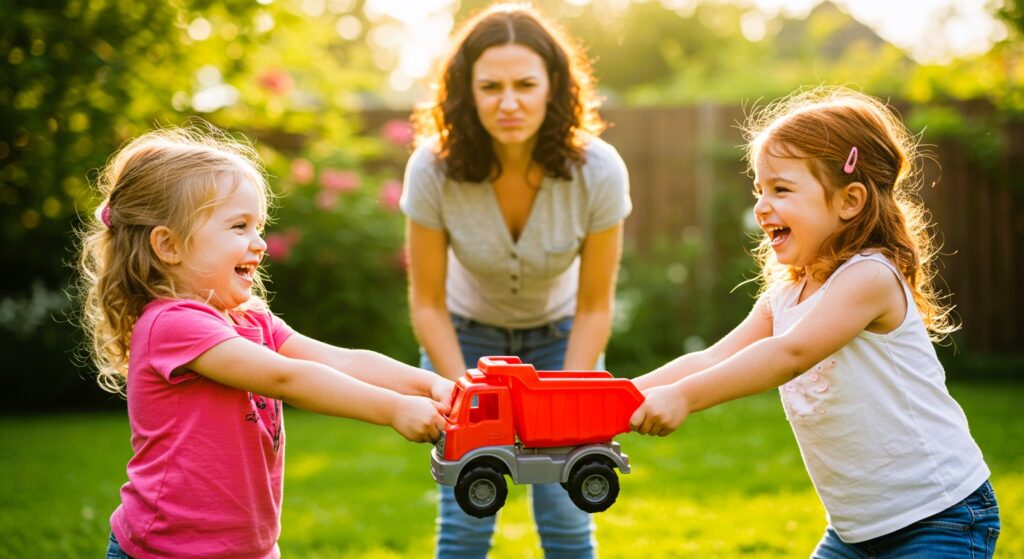
As toddlers grow, so does their sense of ownership. Toys, bedrooms, even parents can become “mine” in a toddler’s worldview. Sharing is a foreign concept during this stage, and siblings often clash over seemingly trivial matters. What may look like a squabble over a toy is a deeper assertion of dominance and control—two early ingredients of rivalry. Toddlers and preschoolers are still learning emotional regulation. They often lack the skills to express their frustrations in words, so hitting, yelling, or crying becomes their form of conflict. This stage is messy but crucial—it’s where the foundation of sibling dynamics is either built on fairness and empathy or laced with resentment and competition.
As children step into elementary school, the rivalry takes on new dimensions. Now, siblings aren’t just competing for toys or attention—they’re also competing for achievements. Report cards, teacher praise, school awards, and even friendships become new arenas for comparison. Parents might unknowingly stoke the fire with innocent remarks like, “Your sister got straight A’s, why can’t you?” or “Your brother never gives us this much trouble in class.” Peer Relationships add another layer. If one sibling is popular or has a strong group of friends, the other might feel left out or inferior. Sibling rivalry isn’t always loud or obvious, it can be silent, stewing beneath the surface, where jealousy and insecurity quietly build.
The teen years are all about self-discovery, but when siblings are close in age—or wildly different—they often butt heads while trying to forge unique identities. Teenagers are naturally rebellious, and having a sibling in the same developmental chaos can spark major conflict. One might dive into academics, the other into music or sports, but the need to be “different” often leads to deliberate contrast rather than collaboration. This is also the time when teens start comparing lifestyles—who has more freedom, who gets better gifts, who’s treated like the “favorite.” Sibling rivalry in adolescence isn’t just about external achievements anymore; it’s a deeper quest for individuality and recognition. The pressure to define oneself against the sibling’s identity becomes intense.
Once siblings hit their twenties and thirties, rivalry takes on a more adult form. It’s no longer about toys or grades, it’s about career success, independence, and Lifestyle. Who graduated first? Who landed the better job? Who got married or bought a house? These comparisons don’t end with adolescence; in fact, they often intensify. In this stage, life’s milestones become benchmarks for sibling competition. Social media adds fuel to the fire, with carefully curated posts showcasing career highlights, engagements, exotic vacations, and more. When one sibling seems to be “winning” at life, the others might feel inadequate or left behind—even if their paths are equally valid but different. There is also a shift in how siblings see each other. They are now adults with their own worldviews, priorities, and beliefs. Political or lifestyle differences can create ideological clashes, further deepening the divide. If past rivalries were never resolved, they can reappear as silent judgments or passive-aggressive behavior.
Money and success are major triggers of adult sibling rivalry. One sibling might earn significantly more, creating a power imbalance. Family gatherings can become tense if financial disparities are openly displayed or subtly flaunted. Discussions about who pays for what or who can afford certain things often lead to resentment. Emotional comparisons also come into play. Parents may still be more emotionally invested in one sibling’s life due to Health issues, marital problems, or proximity. The perception that one sibling is the “emotional favorite” can be just as painful as feeling financially inferior. Even if siblings love each other, unresolved competition can create a rift. Whether it’s jealousy, pride, or a fear of being judged, these Emotions cloud communication and can lead to long-term distance or estrangement.
As siblings move into their 40s and 50s, family dynamics shift once again, the rivalry often centers around caring for Aging parents. This is where things can get really tense. One sibling might live closer to mom and dad, naturally taking on more responsibility, while another might live farther away and feel either excluded or unfairly accused of not helping. The sibling doing the lion’s share of Caregiving might feel overwhelmed, underappreciated, or resentful. Meanwhile, the less involved sibling may feel guilty—or defensive. These unspoken tensions can quickly erupt into arguments about who does more, who sacrifices more, and who should be doing what. It’s not just about physical care either. Emotional labor—like calling, checking in, or managing medical appointments—often falls unevenly, and this imbalance can strain relationships. If these roles aren’t openly discussed and agreed upon, they can reignite old childhood rivalries, now disguised as adult disagreements.
Money again becomes a flashpoint in middle age, especially when it involves parental assets. Disputes over inheritance can tear families apart. Siblings may argue over the will, the division of property, or even who should be the executor of the Estate. Sometimes, it’s not even about the amount of money involved. It’s the symbolism—who the parents trusted more, who they “loved more,” who got the family heirloom, or who was named in the will. These decisions can feel like final judgments in a lifetime of sibling competition. If parents don’t plan clearly or communicate their wishes early on, the result can be devastating. Old rivalries that once seemed dormant often explode when inheritance issues come to the surface, creating bitterness that may never be resolved.
Just when you think it might all settle down, old age can bring sibling rivalry to a full circle. The death of parents, Retirement, or major life changes can cause unresolved childhood issues to bubble back up. At this stage, many siblings find themselves reflecting on the past—sometimes with warmth, but often with regret, blame, or resentment. Rivalries that were never addressed may take on new life in the form of passive-aggressive remarks or complete estrangement. Siblings may struggle to connect because they’ve been locked in roles assigned decades earlier. The “golden child” may still feel pressured to maintain that image, while the “black sheep” may feel misunderstood or excluded. This is also a time of loss—friends, spouses, health—and those emotional burdens can affect how siblings interact. Some use this stage to reconcile and heal; others dig deeper into resentment. It’s a complex time when memories become powerful, and unresolved feelings can either be processed—or weaponized.
In old age, many siblings start thinking about Legacy, how they’ll be remembered, what kind of impact they’ve had, and who among them left the biggest mark. This can create a fresh wave of rivalry, especially in families where external success or community status is highly valued. Who takes credit for taking care of mom or dad? Who did more for the family? Who carried on with the traditions? These questions often mask a deeper yearning: to be seen, validated, and remembered. Sibling rivalry at this stage is less about competition and more about acknowledgment. Ironically, some siblings grow closer in old age, finally free from the need to compete. Others, however, find it too painful to reconnect, especially if past wounds were never healed. Legacy can unite or divide—it all depends on how rivalry has been handled throughout life.
Sibling rivalry is one of life’s most complex and enduring relationships. It starts before we even know what jealousy or competition is and evolves with us through every stage of life. From fighting over toys as toddlers to clashing over caregiving roles in middle age, the rivalry may change in form—but it rarely disappears on its own.
Yet, rivalry doesn’t have to define the relationship. With awareness, compassion, and effort, siblings can move from adversaries to allies. Understanding the roots of rivalry—whether they stem from Parenting styles, cultural expectations, or emotional wounds—opens the door to empathy and connection. Whether you’re a parent hoping to minimize conflict between your kids, or an adult looking to heal a strained relationship with your sibling, remember this: rivalry is not destiny. It’s a challenge. And like all challenges, it can be overcome—with patience, honesty, and heart.
I learned early on that having sibling rivalry in our home at my younger age was a safe place to fight and work out differences, because I knew my brother and sister would still be in the house at the end of the day. Whereas when you have a fight with your friends, they could pick up and leave and that relationship could end. Now that I am a Baby Boomer and have dealt with my sibling rivalry for decades, it is time to bury the issues of the past and live the rest of our lives in harmony. It is this family legacy we need to leave our kids and grandchildren.