
Imagine a time without Medicare, Medicaid, or Social Security. That was everyday life for older Americans before 1935. Retirement, as we know it today, didn’t exist. In fact, the whole concept of “retiring” was a luxury few could afford. Most people worked until they physically couldn’t anymore or until they died. This was the harsh reality for millions of Americans—including your and my grandparents. Back then, life expectancy was shorter, and jobs were physically demanding. Most people worked in agriculture, manual labor, or Small Businesses. Without the safety nets we have today, financial planning for old age was purely personal. They had to think decades ahead, save diligently, and rely heavily on Family, community, or sheer grit to get by.
Financial emergencies, Health crises, or job loss could mean instant poverty. There was no unemployment insurance. No Medicare. And certainly, there is no monthly Social Security check. Survival often hinged on a mix of personal savings, family generosity, and community support.
The government didn’t step in to provide comprehensive elder care or income replacement. While there were sporadic public aid programs at state or city levels, they were patchy at best. These were often seen as shameful—getting help from the government carried a social stigma. People were expected to “pull themselves up by their bootstraps,” and asking for help could feel like a personal failure. Most elder Americans feared becoming a burden on their children. So, many saved as best they could, often hiding Money under mattresses or Investing in land or livestock, anything that could hold value. Before 1935, there was no standard of protection for Aging citizens. The social safety net we take for granted today didn’t exist, and life required an iron will, deep community roots, and a little luck.
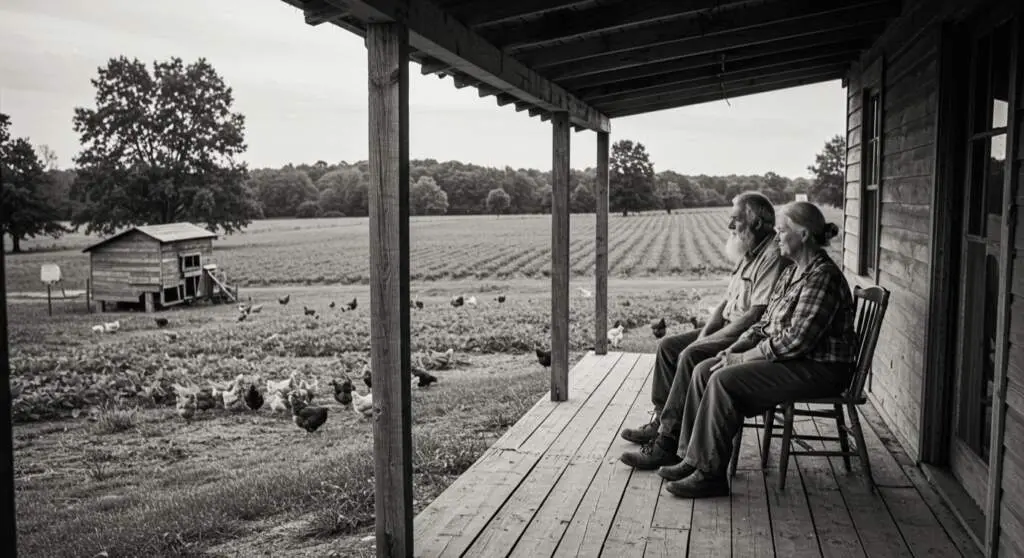
The 1930s were a turning point. The Great Depression shook the nation to its core. With banks failing and unemployment skyrocketing, millions of Elderly Americans were thrown into poverty. Entire life savings vanished overnight. Suddenly, the traditional support of family, savings, and charity—weren’t enough. Older workers, particularly those over 65, were among the hardest hit. Many had no pensions, no retirement plans, and no steady income. They were too old to compete for scarce jobs and too poor to support themselves. The crisis exposed a gaping hole in the nation’s economic fabric: there was no formal support system for aging citizens. This was the backdrop against which President Franklin D. Roosevelt introduced the Social Security Act in 1935. It wasn’t just a new law; it was a revolutionary shift in how the country treated its aging population. For the first time, older Americans had a promise of financial support from their government.
Social Security was designed not just as a welfare program, but as a form of insurance. Workers paid into the system throughout their careers and received monthly payments once they retired. It gave people hope—and options. Instead of working into their 70s or relying on reluctant children, they could retire with dignity. Before this, the only “security” was in your own hands. You needed to plan for every scenario: sickness, widowhood, disability, or destitution. That kind of mental load was exhausting. Social Security didn’t erase all those fears, but it certainly softened the blow.
Before Social Security provided a clear exit from the workforce, “retirement” wasn’t a milestone—it was a luxury. For most older Americans, especially those from working-class backgrounds, the reality was that work didn’t stop at 65. In fact, it often continued until health no longer allowed it. Whether on a farm, in a factory, or in a family-run business, older adults remained active in the labor force. Farmers, for example, never really retired, they just slowed down or shifted to less demanding tasks. If someone owned a shop or store, they often continued to manage it well into old age, delegating heavier duties to younger family members. This wasn’t always by choice. Without a Pension or savings, older adults had no financial cushion. Many faced the grim possibility of poverty if they stopped working. Their bodies may have aged, but the bills didn’t.
Moreover, the idea of being “unproductive” was socially frowned upon. People took pride in their labor, and there was a sense of dignity tied to contributing to the household or community. Work wasn’t just about money—it was about purpose and respect.
Elderly people often took on lighter work or part-time roles suited to their capabilities. In rural areas, this could mean tending to a garden, mending fences, or feeding livestock. In urban settings, older folks might become janitors, street vendors, or domestic workers. Some offered services like tailoring, cobbling, or child-minding—skills they had honed over a lifetime. You might see grandfathers doing handyman work or running small repair shops out of their garages. Grandmothers might bake pies to sell or take in laundry. These weren’t glamorous jobs, but they offered autonomy and survival. Some elderly workers even lived in boarding houses or “almshouses” where they exchanged labor for room and board. While the conditions weren’t ideal, it was often a better alternative to begging or living on the street.
Living without a safety net was more than just financially risky, it was emotionally exhausting. Imagine growing old with the constant fear of running out of money, of becoming a burden, or of Dying penniless. This was the daily reality for many elders before the Social Security Act. Financial insecurity weighed heavily on older adults, affecting their Mental Health, self-esteem, and Relationships. The shame of poverty, the Stress of ongoing labor, and the uncertainty of the future created a persistent psychological toll. Many older adults didn’t talk about these fears openly, but they were reflected in their frugality, Anxiety, and reluctance to “be a bother.” They pinched pennies, avoided doctors, and sometimes went without food or medication to preserve their dignity.
These pressures didn’t just affect individuals—they rippled through families. Younger generations had to navigate the guilt of not being able to help more or the resentment of having to choose between their own children’s needs and their parents’ care. While many families did their best to care for aging parents, the strain often led to tension. Conflicts over finances, space, and responsibilities were common. In households where resources were already stretched thin, adding another dependent could ignite stress and resentment.
Adult children, especially daughters and daughters-in-law, bore the brunt of Caregiving duties. Balancing work, Parenting, and elder care led to Burnout long before the term existed. For elderly people, feeling like an unwanted guest in their own family’s home could lead to isolation and depression. These emotional costs were rarely discussed but deeply felt. They reveal a hidden side of aging before Social Security—one that involved complex family dynamics and quiet suffering.
Despite the challenges, older generations demonstrated remarkable resilience. They lived through wars, economic collapses, and personal hardships—and still found ways to survive and even thrive. Their stories are filled with ingenuity: reusing old materials, growing their own food, bartering for services, and supporting each other through informal networks. They didn’t have financial planners or retirement accounts, but they knew how to stretch a dollar and make the most of what they had. They taught us the value of hard work, the importance of community, and the strength found in family bonds. These qualities are worth remembering today. In an era where we rely heavily on systems and Technology, the practical Wisdom and emotional toughness of past generations offer a valuable counterbalance.
There’s much we can learn from how our grandparents lived. Their focus on saving, their avoidance of debt, and their frugality are timeless principles. So is their emphasis on community and interdependence. Even though we now have Social Security and other support systems, those aren’t guaranteed forever. Learning to build networks of support, live within our means, and value each other across generations could serve us well in the years to come. Ultimately, the past is not just a record of what was—it’s a guide for what could be. If we pay attention to how our grandparents managed with less, we might find smarter ways to live with more.

Before Social Security life was hard, unforgiving, and full of uncertainty—especially for the elderly. Without formal support systems, survival depended on grit, family, and community. Our grandparents were resourceful and resilient, but they lived with fears and burdens we can barely imagine today.
The creation of Social Security marked a turning point. It didn’t solve everything, but it provided a foundation of dignity and independence that reshaped what aging could look like in America. By learning from the past, we not only honor our elders, but we also gain wisdom that can guide us in building a more secure and compassionate future.