
Ever feel like you’re running on a mental treadmill, always moving but never really getting anywhere? Like you’re stuck in this never-ending loop of thoughts, feelings, and regrets that just won’t quit? You’re not alone. So many of us carry the weight of our past like a heavy backpack we never take off. We replay old conversations, relive old mistakes, and react to today’s challenges with yesterday’s fears. But why? Why do we keep ourselves locked in a cage built from our own experiences?
We don’t even realize we’re doing it most of the time. It’s like being a prisoner and not even knowing you’re behind bars. This prison isn’t made of concrete — it’s built from memories, beliefs, fears, and past hurts. Though we might not see the walls, we feel them every day in our decisions, Relationships, and emotional reactions. This invisible prison shapes our worldview, limits our choices, and quietly controls the way we live our lives. If our experiences built the prison, they’re not unbreakable. We can learn how the structure was formed, what keeps it standing, and most importantly, how to break free.
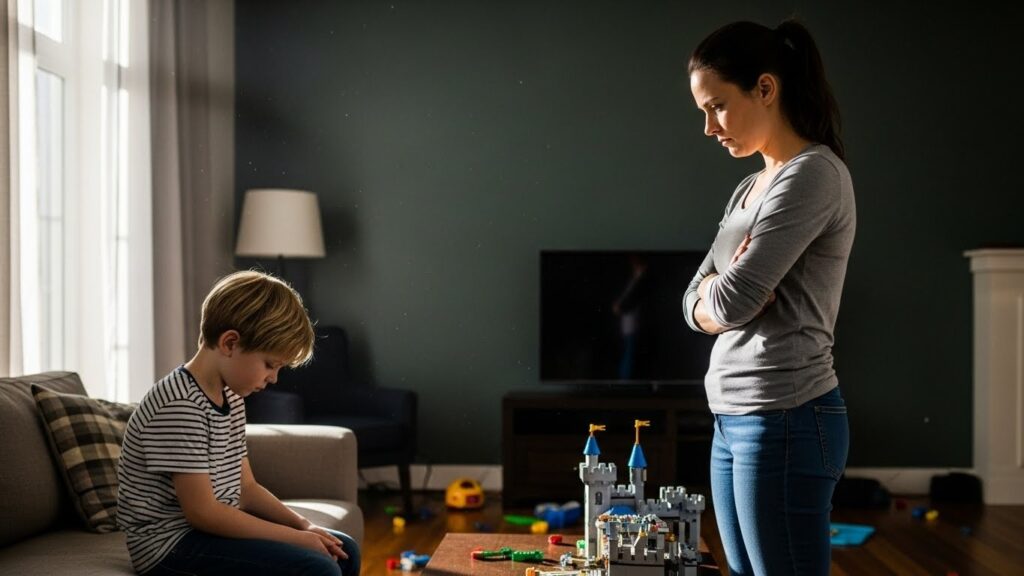
Being a prisoner of your experiences doesn’t mean you’re physically locked up. It’s more of an emotional and psychological state where your past dictates your present. Think of it as a filter through which you see the world. If that filter is stained by Trauma, betrayal, or failure, every new experience gets distorted. Your mind says, “This is how it’s always been, so this is how it will always be.” It’s not just about big life-changing events either. Sometimes, it’s the little things that build the biggest walls. A childhood embarrassment. A high school breakup. A time someone said you weren’t good enough. These experiences are logged into your subconscious like rules for living. And before you know it, they become your internal compass — even if they’re completely wrong.
Psychologically, this is tied to how our brain is wired to learn from the past to protect us from future danger. It’s a survival mechanism. But the downside is, we start reacting to the world not as it is, but as we once experienced it. So, you might avoid taking a chance, trusting someone new, or trying something bold — not because it’s dangerous, but because a past version of you got hurt doing something similar. This is where we start to feel trapped. Life starts feeling repetitive. Opportunities slip away. Relationships follow the same painful patterns. And unless we become aware of these invisible chains, we’ll stay stuck, mistaking our emotional prison for our entire reality.
Our memories are stored in various parts of the brain, but the emotional ones? They’re special. They get priority. That’s because your brain is wired for survival, not happiness. If something hurt you, scared you, or embarrassed you, your brain takes notes. And not just regular notes — these memories come with flashing lights and alarm bells. This is why emotional memories feel so vivid. They’re stored with higher intensity because your brain wants to protect you from repeating whatever caused the pain. The amygdala, the part of your brain responsible for processing Emotions, especially fear, plays a huge role in this. When something intense happens, your amygdala signals your hippocampus (the memory center) to store that moment deeply. This is why you can remember every detail of a bad breakup or a traumatic moment, but you can’t remember what you had for dinner last Thursday.
The brain doesn’t distinguish between real and imagined experiences. That means when you replay a painful memory in your mind, your body and emotions react as if it’s happening all over again. Your heart races, your palms sweat, your mood drops. This constant reliving can keep you in a loop of fear, sadness, or regret — even if nothing is actually happening right now. When we talk about being a prisoner of your own experiences, this is the science behind it. Your brain is trying to keep you safe, but in doing so, it can keep you stuck. The key is learning how to work with your brain instead of letting it run the show on autopilot.
You probably don’t remember your first few years of life, but those years remember you. They’re imprinted deep in your subconscious, forming the blueprint for how you relate to the world. As kids, our brains are like sponges, soaking up everything, especially emotional cues. How our parents treated us, how safe we felt, how often we were criticized or praised — it all leaves a mark.
Let’s say you grew up in a household where Love had to be earned. Maybe your achievements were praised, but your emotions weren’t validated. Fast forward to adulthood, and now you find yourself constantly chasing approval, never feeling “good enough,” and struggling to accept love without strings attached. That’s not a coincidence. That’s conditioning.
Psychologists refer to these early mental frameworks as “attachment styles.” There’s secure attachment (the healthy kind), and then there are anxious, avoidant, and disorganized attachments. If your caregivers were inconsistent, emotionally distant, or abusive, you likely developed one of the insecure types. And unless you’ve done some serious self-work, those childhood patterns are probably still steering your adult relationships and self-worth today.
Your childhood doesn’t just influence how you connect with others — it shapes how you see yourself. If you were made to feel unworthy, unloved, or invisible, that belief becomes your internal script. And it plays on loop, quietly dictating your choices, your confidence, and your ability to receive good things in life. So yes, our childhood experiences are powerful. They can lock us into patterns of self-doubt, fear, and emotional reactivity that feel impossible to escape. But they can also be the starting point of healing — if we’re willing to go back, examine those old messages, and rewrite the script.
Have you ever caught yourself replaying the same event over and over in your head? That fight you had five years ago, the job you didn’t get, the person who ghosted you. It’s like watching a sad movie on repeat — except this time, you’re the star, the director, and the audience all at once. The more you live in the past, the more you delay your present. When you constantly revisit old wounds, you’re not just remembering — you’re reliving. Your body tenses up, your emotions flare, and your brain acts like it’s happening right now. You’re not living your life; you’re reacting to echoes.
Why do we do this? For a few reasons. First, there’s the illusion of control. Our minds think that by analyzing the past, we’ll prevent future pain. “If I just figure out what went wrong, I can avoid it happening again.” Sounds logical, right? All it does is keep you stuck in analysis paralysis. Second, rumination gives us a strange sense of comfort. When something painful happens, the emotional charge is high. And your brain, always chasing stimulation, can become addicted to that emotional intensity. That’s why we obsess. It’s like scratching an emotional scab — you know it won’t help, but you can’t stop.
But here’s the price you pay: your present becomes blurred. You miss out on the relationships, opportunities, and joy right in front of you. You make decisions based on who you were, not who you are. And slowly, the past becomes your personality. To escape this trap, you must make peace with your story. Not erase it, not deny it — but accept it. The past happened, yes. But you don’t have to carry it every moment. You’re allowed to grow beyond it. You’re allowed to write a new chapter. And no, closure doesn’t always come with answers. It comes when you finally stop asking the same questions.
Awareness is the first step out of any prison. You can’t change what you don’t see. The moment you become aware that you’re living in a loop — that your thoughts, reactions, and choices are being driven by old wounds — you’ve already started to loosen the chains. Awareness is uncomfortable. It means taking responsibility for your patterns without shaming yourself. It means sitting with your triggers instead of numbing them. It means asking yourself hard questions like, “Why do I keep ending up here?” and “What am I avoiding by staying stuck?” Think of awareness like turning on the light in a dark room. The mess was always there — you just couldn’t see it. Now that it’s visible, you can clean it up, organize it, decide what stays and what goes.
Some powerful ways to build that self-awareness include journaling, where you write about your daily reactions, patterns, and emotional triggers and ask yourself why things affect you the way they do. Practice being present with mindfulness, where you notice your thoughts without attaching to them. Because trauma and emotion live in the body, pay attention to your physical cues — tight shoulders, racing heart, and gut feelings — because your body knows what your mind is hiding. And sometimes it takes another person to reflect your patterns back to you, so Therapy or Coaching can help you dig deeper and break generational cycles.
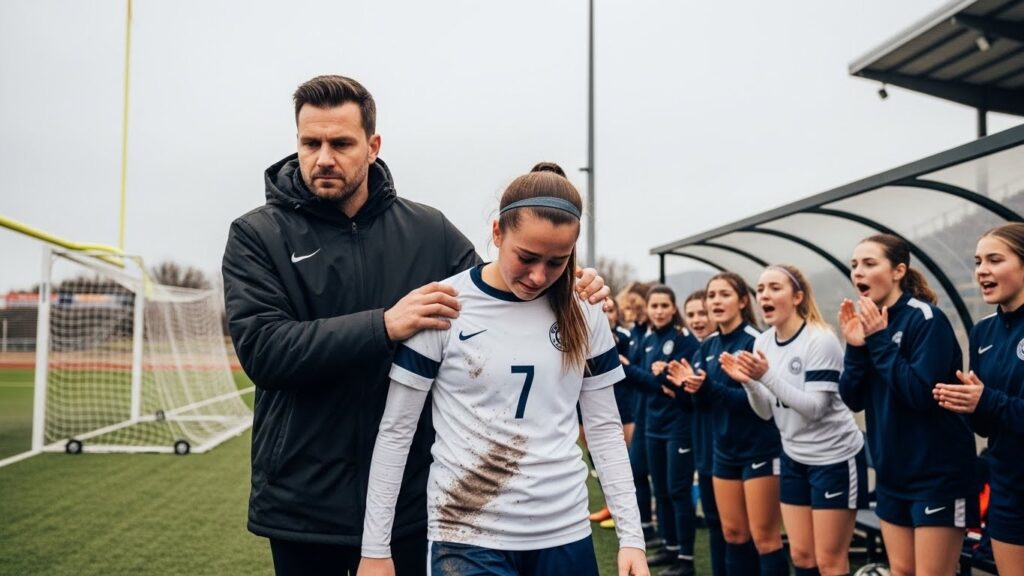
I am not broken. I am not weak. I am not doomed to repeat the same patterns forever. I am simply human — a complex, layered, deeply emotional being shaped by a life that hasn’t always been fair or kind. Being a prisoner of our own experiences isn’t our fault. We didn’t choose our trauma, our upbringing, or the wounds we carry. Because if we built the walls — through fear, conditioning, and unhealed pain — we also have the power to tear them down.
Healing isn’t about never struggling — it’s about no longer being ruled by your past. Every time you become aware of a pattern, challenge a thought, or act in a new way, you’re reclaiming your life. You’re rewriting the rules. You’re choosing liberation over limitation.
When we change our story, we change our identity. And when our identity changes, so does our behavior, our beliefs, and our emotional experience. The prison walls start to crack when you stop telling the story of your pain — and start telling the story of your power. If you’re tired of being stuck, if you’re exhausted from reliving the same stories, and if you’re ready for more — you’re already halfway there. Because awareness is the key. And now that you have it, all that’s left… is to use it.