
Estate planning—just the phrase sounds like something you can always “get around to later.” We tend to associate it with the Elderly, the wealthy, or people who have everything perfectly organized. But estate planning isn’t about death—it’s about life. It’s about protecting your Family, your assets, and your peace of mind long before the unexpected happens.
When I realized I hadn’t done my estate planning until it was too late, the wave of regret was almost unbearable. I thought I had time. Don’t we all? I realized that life doesn’t wait for you to get your paperwork in order. Death, illness, or incapacity doesn’t knock first—it just arrives. And when it does, your family is left to pick up the pieces. Estate planning isn’t just about dividing wealth; it’s about ensuring the people you Love aren’t left with chaos. It’s about giving direction when you’re no longer around to guide. But for me, I learned that lesson the hard way.
It’s easy to assume that estate planning is only for millionaires with mansions, trust funds, and sprawling portfolios. But estate planning isn’t about how much you have—it’s about protecting what you do have and making sure it ends up in the right hands. A huge misconception is, “I’m too young” or “I don’t own enough to need an estate plan.” That mindset is incredibly risky. If you have children, a home, a bank account, or even just a car—you need a plan. And it’s not just about assets; it’s also about appointing guardians for your kids, giving someone the authority to make medical decisions if you can’t, and sparing your loved ones from legal battles or confusion during a tough time.
There’s also this deeply ingrained fear of confronting mortality, so we ignore it. We file away the thought, saying “maybe next year,” not realizing that life throws curveballs when we least expect them. We also buy into the myth that estate planning is expensive and complicated. In reality, a basic estate plan is more affordable than most people think—and the cost of not having one? Astronomical. Court fees, probate expenses, taxes, and attorney costs can drain your estate faster than you can say “I should’ve made a will.” The biggest myth of all? Believing someone else will handle things when you’re gone. But unless you’ve given someone the legal power and clear instructions, no one can step in seamlessly. They’re left in the dark, confused, grieving—and now burdened with solving a legal puzzle you could’ve prevented. Don’t let assumptions guide you. The earlier you bust these myths; the sooner you can take control of your Legacy and protect those you love most.
The truth didn’t hit me all at once. It came in pieces—paperwork I couldn’t find, decisions no one was authorized to make, and the silence of family members who didn’t know what to do next. That’s when I knew: I waited too long. It started with a medical emergency. One minute everything was normal, and the next, a loved one was in the ICU, unable to communicate. Suddenly, everyone was scrambling—who had power of attorney? What were their wishes? Could we access their bank account to cover bills? The answer to all of it? We couldn’t. Because nothing had been planned.
The feeling of helplessness at that moment was overwhelming. I thought, “How could we be in this position?” But then I looked in the mirror and realized—I hadn’t done my estate planning either. If something happened to me right then, my family would be in the exact same chaos. No will. No directives. No plan. It wasn’t just the legal mess that stung—it was the emotional guilt. The arguments between siblings. The uncertainty of whether we were honoring our loved one’s wishes. Every day I felt like walking through a fog of confusion and regret. And all of it could’ve been avoided with a few documents and a bit of foresight.
That’s the thing about estate planning—you don’t feel its absence until you desperately need it. And then, it’s often too late. You can’t go back and fix it after someone’s gone. The opportunity passes, and the consequences stay. I swore I wouldn’t let my own family go through the same turmoil. But regret is a harsh teacher, and estate planning is one lesson you want to learn before life forces you to.
Estate planning is the process of organizing how your assets and responsibilities will be managed If you become incapacitated or after your death. It is not just for the wealthy, it is a vital step for anyone who wants to protect loved ones, minimize legal complications, and ensure your wishes are honored. Here are the elements of Estate Planning
Every one of these elements plays a role in a complete, effective estate plan. Skipping even one could cause delays, confusion, or even legal battles. And while it may seem daunting, having these in place is one of the most loving things you can do for your family. Think of estate planning like assembling a puzzle. Each piece matters, and when they all fit together, you create a clear picture for your loved ones to follow. No confusion, no drama—just a roadmap through one of life’s toughest times.
Estate planning isn’t about you—it’s about the people you care about most. It’s about taking responsibility now, so your loved ones don’t have to face unnecessary hardship later. In the purest sense, estate planning is an act of love. You’ve spent your whole life building—your home, your career, your Relationships, your family. Don’t let all of that be lost in confusion, arguments, or courtrooms just because you didn’t take a few hours to plan ahead.
Imagine your partner suddenly navigating a financial and legal nightmare while grieving your loss. Or your kids growing up with uncertainty about their future because no guardian was legally named. Or your family members arguing about what you “would have wanted” instead of coming together to celebrate your life. That’s what happens when there’s no estate plan. It’s chaos. But when you do plan, it brings Clarity. It tells your family: “I’ve got you.” It says, “I cared enough to make this easier for you.” That’s powerful. That’s love in action.
When you set up a trust to avoid probate, you’re not just saving your family time and money, you’re protecting them from months, even years of Stress. When you designate a power of attorney, you’re ensuring someone you trust can step in to manage things if you can’t. When you put your wishes in writing, you remove guesswork and guilt from your family’s shoulders.
We often show love by being present, helping out, showing up. Estate planning is your way of doing that even when you’re not physically here. It’s your voice, your values, your guidance—carried forward in a time when they’ll need it most. It’s not about controlling things from the grave. It’s about leaving your family with peace, stability, and confidence. That is the greatest legacy you can leave behind.
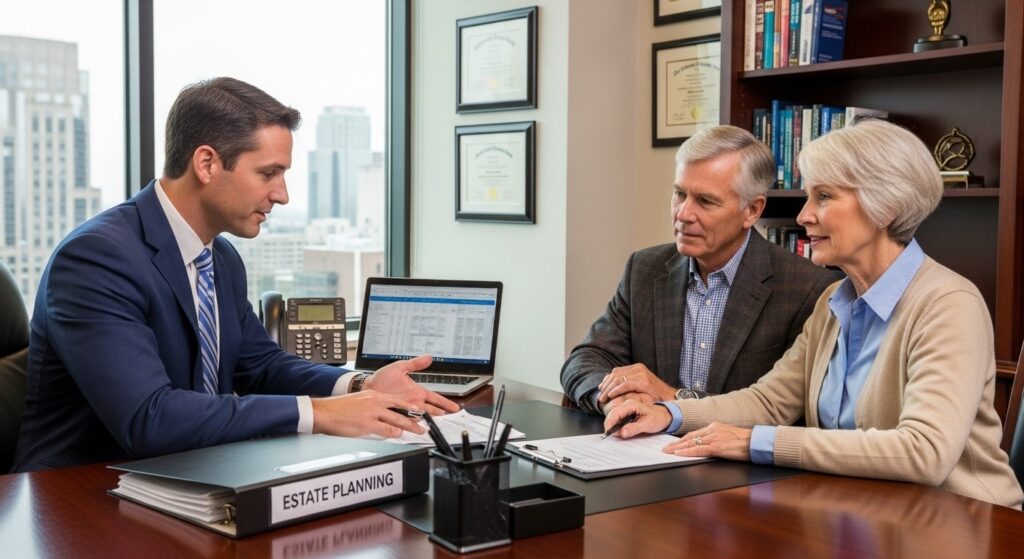
We don’t get to choose when tragedy strikes. But we do get to choose how prepared we are for it. Estate planning isn’t about being morbid. It’s about being mindful. It’s about protecting the people you love the most from confusion, conflict, and chaos. It’s about leaving more than just money—it’s about leaving peace, clarity, and direction. I didn’t do my estate planning until it was too late. But you don’t have to make the same mistake. Start today. Even if it’s just one step. Even if it’s just writing a will or talking to your spouse about your wishes. Because someday, someone you love is going to depend on what you do right now. And when that day comes, they’ll be grateful you didn’t wait.