
Memorials are more than just statues, plaques, or commemorative sites—they are powerful representations of our collective memory. At their core, memorials serve as physical or symbolic reminders of people, events, or periods that have significantly impacted society. Whether it’s a war memorial, a simple gravestone, or a digital tribute online, each is created with a purpose: to remember, to honor, to teach, and sometimes even to warn.
We need memorials because they anchor us to history. In a world constantly moving forward, they act like bookmarks in time. They remind us of who we were, what we’ve endured, and what we must never forget. Imagine a society with no record of its past—no graves of fallen soldiers, no monuments to victims, no plaques recounting tragedies or victories. We’d be adrift in time, disconnected from our origins and oblivious to our mistakes.
In essence, memorials help preserve memory. They offer meaning to loss and structure to remembrance. They’re often the focal point of ceremonies and commemorations, bridging the gap between generations and keeping the spirit of those honored alive. Their presence instills reverence, cultivates gratitude, and provides a permanent place for people to mourn, reflect, and find peace.
The tradition of memorializing dates back to ancient civilizations. The Egyptians built pyramids not just as tombs but as eternal monuments to their pharaohs. The Greeks erected statues and temples for gods, heroes, and fallen warriors. Even indigenous tribes have long used oral stories, carvings, and symbolic artifacts to honor ancestors and keep their Legacy alive.
Across time and geography, the act of remembering has always carried great spiritual and cultural significance. In the aftermath of wars or plagues, societies have often turned to building memorials as a form of collective mourning. From the trenches of World War I to the ruins of Hiroshima, humanity has sought ways to immortalize those lost and lessons learned.
As Technology and societies evolved, so did the nature of memorials. Today, alongside grand monuments like the Lincoln Memorial or the 9/11 Memorial, we also see digital memorials—webpages, social media pages, and online tributes that serve the same purpose in a modern format. Despite these changes, the core human need remains the same: to remember and be remembered.
Grief can be a chaotic, unpredictable process. People often seek order and meaning in the aftermath of loss, and memorials can offer just that. They provide a tangible space where pain can be acknowledged, Emotions can be expressed, and healing can begin. For those struggling with unresolved grief, having a place to visit—a grave, a monument, a tree planted in memory—offers a crucial sense of closure.
Imagine someone who lost a loved one in a disaster or war and never recovered the body. A memorial can become a surrogate grave, a site where they can grieve, reflect, and talk to the deceased. This act of remembrance, though symbolic, can be deeply cathartic. It reassures mourners that their loss is recognized, and their sorrow is shared. On a larger scale, memorials help communities and even nations process collective Trauma. After events like terrorist attacks or mass shootings, spontaneous memorials often appear overnight—flowers, candles, notes left at the site. These tributes create temporary spaces for communal mourning until more permanent structures are built. They signal that healing is not just a private journey but a shared human need.
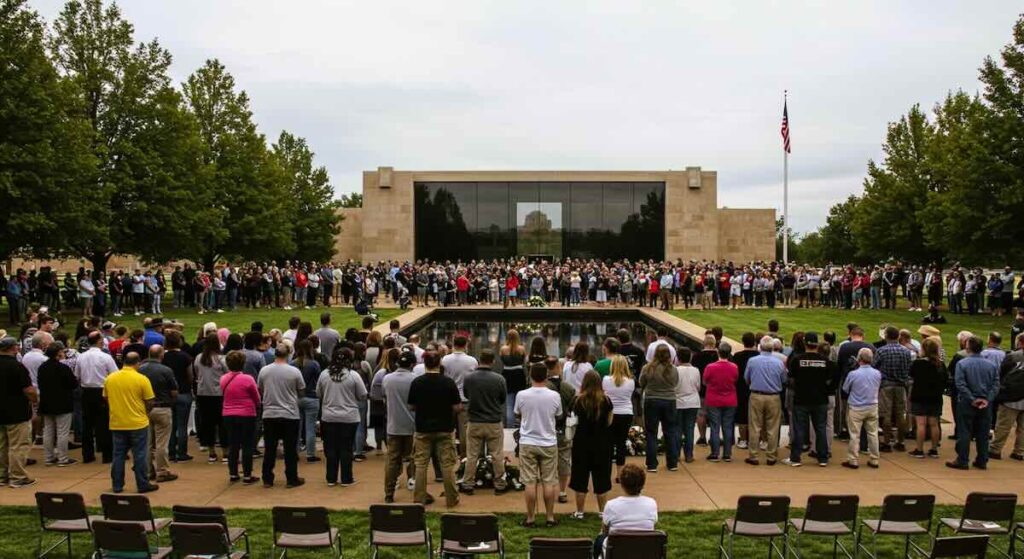
Survivors of tragedy—whether they’re war veterans, disaster victims, or survivors of abuse—often carry invisible wounds. Memorials can offer them a form of psychological refuge. By visiting these spaces, survivors are reminded they are not alone. Others see their pain, remember their struggle, and stand in solidarity. Some memorials are even designed with therapeutic intent. The Oklahoma City National Memorial, for example, integrates elements that promote emotional processing: quiet spaces, water features, and symbolic architecture. These features aren’t just aesthetics, they serve to calm, reflect, and inspire hope. Memorials also allow survivors to channel their pain into advocacy. Many contribute to the planning, funding, or storytelling aspects of memorial projects. In doing so, they regain agency and transform their suffering into purpose. The process itself becomes a journey of healing, not just for them but for all who visit.
Physical memorials are perhaps the most familiar and enduring types. These include statues, gravestones, monuments, plaques, and memorial parks. They are permanent fixtures in the landscape, often becoming local landmarks and pilgrimage sites for those seeking to remember, reflect, or pay tribute. What makes physical memorials powerful is their tangibility. You can walk through them, touch them, sit beside them, and interact with the space. They offer a multisensory experience that often makes the memory more vivid and emotional. A sculpture may capture the pain on a soldier’s face, while a fountain might symbolize tears or renewal. These elements allow memorials to communicate in ways words cannot. Physical memorials also create a sense of legacy. They stand as testaments to what societies consider important enough to immortalize. Whether it’s a towering monument like the Christ the Redeemer in Brazil or a modest gravestone in a local cemetery, these structures provide continuity across generations.
In our increasingly digital world, memorials have expanded beyond physical boundaries. Virtual memorials have become common, especially with the rise of social media and online platforms. These digital tributes offer flexible, accessible, and often interactive ways to remember and honor. Online memorials can take many forms: dedicated websites, tribute videos, social media pages, or even digital graveyards. Some allow people to light virtual candles, leave messages, share memories, or upload photos. Others use augmented or virtual reality to recreate historical events or tell personal stories in immersive ways. Digital memorials offer several advantages. They are accessible from anywhere, allowing Family and friends from around the world to come together in grief and remembrance. They can be updated over time, preserving a living memory that evolves with the community. Additionally, they are often more inclusive, allowing diverse narratives to be shared without the constraints of physical space or funding. However, digital memorials also raise questions about Longevity, privacy, and authenticity. Unlike physical memorials that can last centuries, digital content is vulnerable to platform changes, data loss, or obsolescence. Ensuring their preservation requires thoughtful planning and technological stewardship.
Creating a memorial is not just about building something, it’s about storytelling, healing, and representation. The most impactful memorials are those developed with active community involvement. When people participate in the process—from concept to completion—they create something that truly resonates. This participatory approach ensures that the memorial reflects diverse perspectives, shared values, and emotional truth. It helps avoid biases, increases acceptance, and builds a sense of ownership among community members. Workshops, town halls, and surveys are effective tools for gathering input and generating ideas. Design is another critical element. A meaningful memorial should evoke emotion, invite reflection, and offer comfort. It should be accessible and inclusive, allowing people of all backgrounds to connect with the story it tells. Incorporating symbolic features—like water, light, or natural elements enhances its emotional impact. The best memorials are not always the largest or most expensive. They are the ones that speak to the heart, provoke thought, and endure across generations.
A meaningful memorial should stand the test of time—both physically and culturally. This means using durable materials, considering maintenance needs, and planning for environmental sustainability. Weather-resistant structures, eco-friendly landscaping, and sustainable funding models are all part of responsible memorial design. But longevity isn’t just about construction, it’s about relevance. Memorials must evolve with the community. Adding new names, updating displays, or integrating digital features can keep the site meaningful for future generations.
Educational programs and partnerships with schools, museums, or civic organizations also help keep the memory alive. When memorials are integrated into daily life and civic rituals, they remain vibrant, not static. Most importantly, the spirit of the memorial must endure. As long as people continue to visit, remember, and learn, the memorial lives on—not just in stone or pixels, but in hearts and minds.
Memorials are far more than stone statues or engraved names—they are emotional, cultural, and societal anchors that connect the past with the present and future. They help us honor the deceased, learn from our history, celebrate shared identity, and heal from pain. Whether traditional or modern, public or personal, physical or digital, memorials play a vital role in shaping collective memory and values. In a world that often moves too fast to pause and reflect, memorials stand as powerful reminders to slow down, remember, and grow. They teach us that grief is universal, memory is sacred, and honoring the past is essential for building a more compassionate and thoughtful future.