
There was a total of 76 million births in the United States from 1946 to 1964, the 19 years usually called the “baby boom.” Of the 76 million Baby Boomers born, nearly 11 million have died, leaving some 65 million survivors. However, when immigrants are included (the number of people coming into the United States from other countries, minus those moving the other way), the number grows to an estimated 76.4 million because immigrants outweighed the number of baby-boomer deaths. More than 10 million baby boomers served in the United States military. Of the 16.5 million living veterans in the United States, 8.1 million (49 percent) are 65 years and over. Of all veterans, 1 in 4 is 70 to 79 years old, making this the single largest age group of veterans, while 3 in 4 veterans are at least 50 years old
The “Baby Boomer” is a period marked by the post-World War II population surge. After years of global conflict and economic strain, returning servicemen started families, creating an unprecedented boom in birth rates. This era shaped American culture, Economy, and politics in profound ways. Baby boomers grew up during an age of rapid change—space exploration, civil rights movements, rock ‘n’ roll, and shifting political ideologies were all part of their world.
However, within this generational wave exists a unique group: baby boomer veterans. These individuals not only experienced the cultural transformations of the mid-20th century but also took on the heavy responsibility of serving their country. They trained under Cold War tensions, fought in some of America’s most controversial wars, and often returned to a nation divided over the conflicts they endured. The defining traits of baby boomer veterans are resilience, adaptability, and a deep understanding of sacrifice. Many were drafted, some volunteered, but all were shaped by the geopolitical forces of their time. Whether they served overseas or on home soil, their contributions form a critical link between the World War II generation and today’s military forces.
It’s important to recognize that not all baby boomers served in the military. But for the 10 million who did, this makes them one of the largest veteran cohorts in U.S. history. They include combat soldiers, Navy sailors, Air Force pilots, Marines, and Coast Guard members. Their service spanned not just major wars, but also decades of peacetime operations, humanitarian missions, and Cold War readiness. Baby boomer veterans’ experiences vary widely. Some spent their entire careers in the military, retiring after decades of service. Others served a few years before transitioning into civilian life, bringing with them discipline, teamwork, and leadership skills. Their presence is still felt in politics, Education, business, and community organizations—evidence of how military training prepared them for civilian leadership.
When World War II ended in 1945, the United States entered an era of optimism. Economic Growth surged, suburban neighborhoods expanded, and educational opportunities flourished under the G.I. Bill. Into this environment, the baby Boomer Generation was born. For many, the military was seen as both a duty and an opportunity—offering steady pay, training, and the chance to serve a country that had just emerged as a global superpower. Yet, the boomers came of age during one of the most complex geopolitical climates in history. The Cold War dominated foreign policy, with the U.S. and the Soviet Union locked in an ideological battle that shaped nearly every international decision. This meant baby boomer veterans often trained for large-scale global conflicts, even if they never saw direct combat.
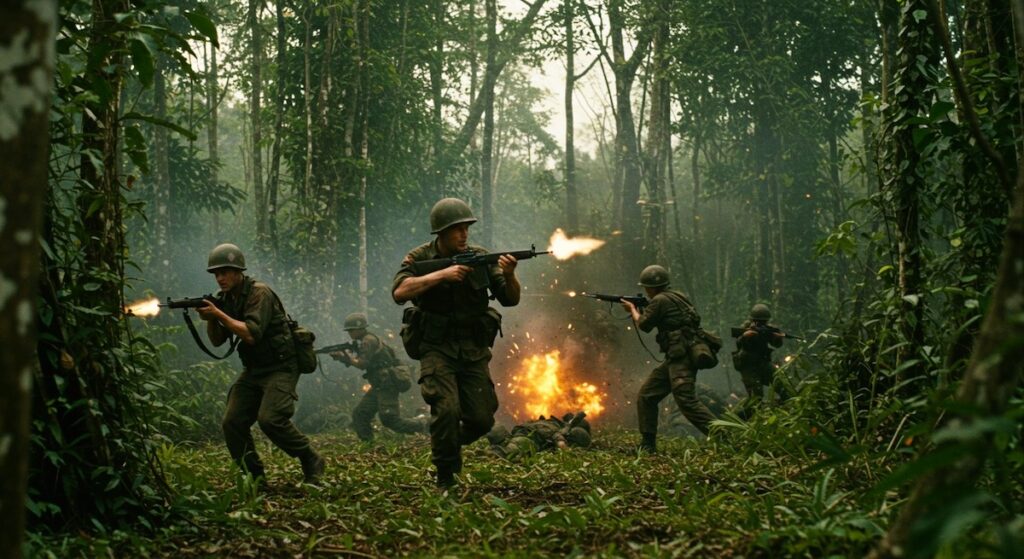
The Vietnam War was the defining conflict for baby boomer veterans. Beginning in the late 1950s and escalating in the 1960s, it was the first war heavily televised, bringing images of combat into American living rooms. For many baby boomers, this meant serving in a politically charged atmosphere, where they faced not only the dangers of combat but also the sting of public criticism when they returned home. Some served willingly; others were drafted through the Selective Service System. Regardless of how they entered, they endured harsh conditions—dense jungles, guerrilla warfare, and an enemy that knew the terrain far better than U.S. forces. The psychological toll of Vietnam was immense, with PTSD and moral injury affecting countless veterans.
Beyond hot wars, baby boomer veterans played a major role in Cold War operations. This included guarding nuclear missile sites, patrolling the seas for Soviet submarines, flying reconnaissance missions, and maintaining a constant state of readiness in Europe and Asia. Their service during this time ensured that deterrence worked, preventing full-scale war between nuclear superpowers.
When baby boomer veterans returned to civilian life, they brought with them discipline, teamwork, and problem-solving skills. Many found work in law enforcement, manufacturing, aviation, and engineering. Others took advantage of educational benefits to earn college degrees and enter fields like law, medicine, and education.
Many baby boomer veterans became entrepreneurs, starting businesses that created jobs and boosted local economies. Their leadership experience often gave them the confidence to take risks and the persistence to overcome obstacles—traits essential to business success.
By entering the civilian workforce with advanced technical skills—mechanics, electronics, logistics—they filled critical roles in industries that powered the American economy. Their economic impact is still felt today, especially in sectors where leadership and reliability are valued above all else.
Baby boomer veterans didn’t just return home to live quietly—they often stepped into leadership roles in their communities. Many became city council members, school board representatives, nonprofit organizers, and public safety officials. Their military background made them adept at problem-solving, crisis management, and uniting people toward common goals.
Their sense of civic duty often extended to volunteerism. From Coaching Little League teams to organizing disaster relief efforts, baby boomer veterans brought the same discipline and teamwork from the battlefield into their neighborhoods. They also played vital roles in civic ceremonies—leading parades, participating in flag-raising events, and preserving patriotic traditions for future generations.
One of the most significant cultural contributions of baby boomer veterans has been their fight for improved veteran rights. The Vietnam era, in particular, exposed flaws in how the U.S. treated returning service members. Many came home to hostility or indifference, sparking movements to reform veteran healthcare, Mental Health services, and disability benefits.
Baby boomer veterans became outspoken advocates for the recognition of PTSD, the establishment of Vet Centers, and expanded healthcare access through the Department of Veterans Affairs (VA). Their activism didn’t just benefit their own generation—it paved the way for better care for all veterans, including those from Iraq and Afghanistan.
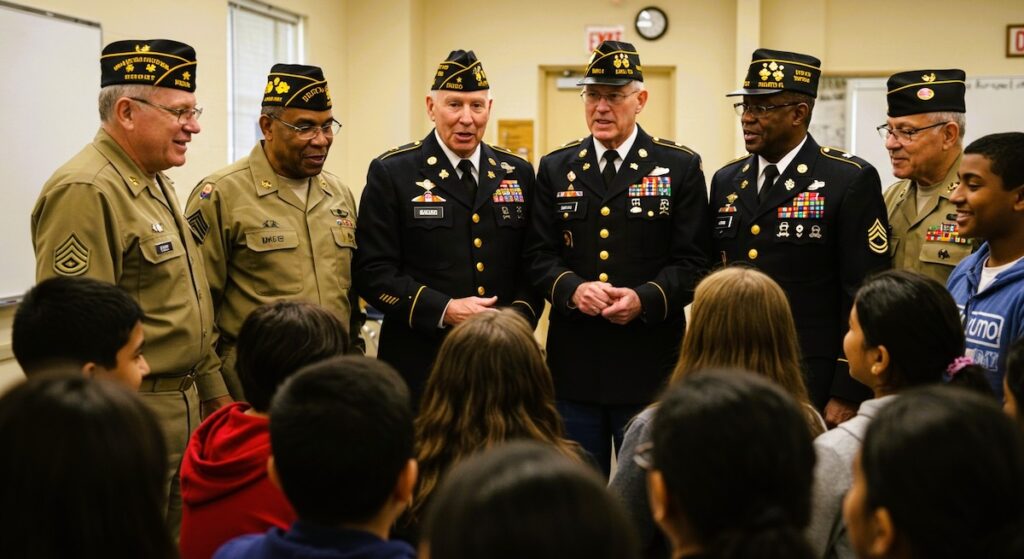
Public opinion of the military fluctuated during the baby boomer era. The Vietnam War, with its widespread protests, created deep divisions in how Americans viewed military service. Many baby boomer veterans became ambassadors for the armed forces, working to rebuild trust and respect between civilians and service members. By sharing their stories in schools, media interviews, and memoirs, they helped humanize the uniform—reminding people that soldiers are individuals with families, dreams, and sacrifices. Over time, their efforts contributed to the more positive public perception of veterans seen today.
Service during the baby boomer era often meant exposure to intense combat, hazardous environments, and, in some cases, harmful substances. Vietnam veterans, for example, faced long-term Health consequences from exposure to Agent Orange—a chemical defoliant linked to cancers, respiratory problems, and other chronic illnesses. Mental health challenges were also widespread. PTSD, Depression, and Anxiety affected countless veterans, but these conditions were often misunderstood or stigmatized in earlier decades. Many baby boomer veterans had to cope with their Trauma largely in silence before public awareness and treatment options improved. Additionally, as this generation ages, they face the compounded health issues of both their service and natural Aging. Mobility problems, hearing loss, and chronic pain are common, making access to quality healthcare and supportive services more important than ever.
The transition from military to civilian life has never been simple, but for baby boomer veterans—especially Vietnam-era vets—it was uniquely challenging. Unlike World War II veterans who returned to parades and national gratitude, many Vietnam veterans faced hostility or indifference. Finding Employment was another hurdle. While military service built strong skills, some employers struggled to see how those skills translated to the civilian workforce. Others unfairly associated Vietnam veterans with the negative stereotypes portrayed in media at the time. Over time, however, many overcame these obstacles, often using education benefits, trade training, or entrepreneurship to forge new paths. But the difficulty of that transition left lasting emotional scars for some.
Baby boomer veterans occupy a unique place in American history. They served during a turbulent era marked by both military Innovation and public division. They’ve shaped policy, strengthened communities, and left a Legacy of resilience and leadership. Their significance lies not only in their numbers but in the breadth of their influence—from the battlefield to the boardroom, from local neighborhoods to the halls of Congress. As they age, honoring their service isn’t just about looking back, it’s about ensuring that their lessons, sacrifices, and values continue to shape the future.