

Aging can be a lonely road. As the years pass, many seniors find themselves increasingly isolated—children move away, friends pass on, and mobility becomes a challenge. According to the National Institute on Aging, social isolation and loneliness can significantly affect the mental and physical Health of older adults. This lack of regular interaction can lead to Depression, cognitive decline, and even increased risk of Heart Disease. But here’s the twist—what if companionship didn’t have to come from another human? What if a friendly, always-available helper could talk to you, remind you to take your meds, and even keep you entertained? That’s where robot companions come in.
These aren’t your typical machines. Today’s robots for seniors are empathetic, responsive, and even “emotional” in their own way. They’re not meant to replace loved ones—but to fill in the gaps when those loved ones can’t be around. Just imagine a cute, interactive buddy that listens to your stories, encourages healthy habits, and responds to your Emotions. It’s like combining the perks of a pet with the functionality of a digital assistant.
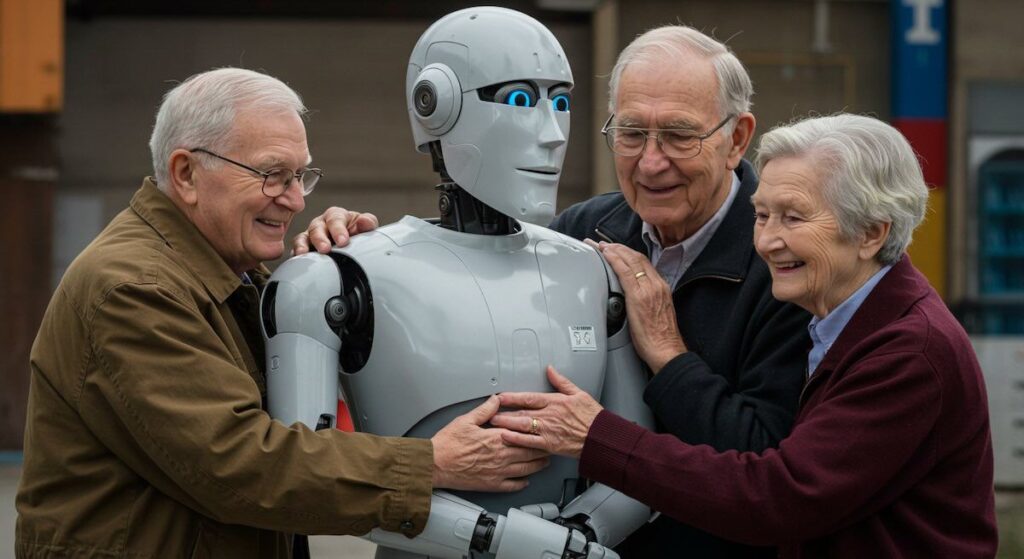
Robot companions are intelligent, often AI-driven machines designed to provide social interaction, emotional support, and practical assistance to people, especially the Elderly. Unlike traditional robots used in manufacturing or logistics, these companions focus on communication, empathy, and presence.
They come in various shapes and sizes—some look like small animals, while others resemble futuristic gadgets or humanoid figures. The key is their ability to engage. Using voice recognition, facial detection, and adaptive learning, these robots can hold basic conversations, recognize patterns in behavior, and even show expressions. Imagine waking up to a soft voice saying, “Good morning! Don’t forget to take your blood pressure medication,” or playing your favorite tunes from the ’60s while you sip your morning coffee. These aren’t science fiction ideas, they’re real and already enhancing lives.
Let’s look at the numbers—by 2050, the global population of people over 60 years old is expected to more than double, reaching nearly 2.1 billion. That’s not just a statistic; it’s a social shift that’s changing everything from housing to healthcare. In countries like Japan, Italy, and Germany, seniors already make up more than 20% of the population. Even in the U.S., 17% of Americans are 65 or older. As this demographic grows, so does the demand for innovative solutions that address not just physical health, but emotional and social wellbeing too.
This explosion in the senior population creates an urgent need for support systems that can offer daily assistance without overburdening human caregivers. And that’s exactly where robot companions come in—they fill a massive care gap while allowing seniors to age in place comfortably and independently.
Another issue hitting the elderly care sector hard is the caregiver crisis. There simply aren’t enough trained professionals to meet the skyrocketing demand. According to the World Health Organization, there’s a global shortage of 18 million health workers, particularly in the Caregiving sector.
Even where human caregivers are available, costs are soaring. Families often find themselves spending thousands of dollars a month on in-home assistance or assisted living facilities. It’s unsustainable for many, both emotionally and financially. Robot companions offer a scalable alternative. They don’t take days off, don’t call in sick, and are available 24/7. More importantly, they support—not replace—human care by handling routine tasks, monitoring health, and keeping seniors engaged between caregiver visits.
Socially assistive robots are the talkers, the entertainers, the “friends” of the robot world. Socially assistive robots (SARs) are specifically designed to interact, motivate, and provide companionship. They can have conversations, remind you of your schedule, and even joke around. Think of them as Siri or Alexa on steroids, with a touch of empathy and a face that responds to your emotions. Some advanced models use machine learning to understand your preferences over time. They say, “It’s sunny today! Want to take a walk in the garden?” or suggest a brain game if they notice signs of cognitive decline.
Then there are robots designed for function and called mobility and health monitoring robots. These assist with mobility—guiding seniors safely around the house—or track vital signs like heart rate, Sleep patterns, and medication adherence. Some models are even integrated with emergency alert systems that notify Family or health professionals if something’s wrong. Imagine a robot that senses a fall and instantly calls for help while keeping you calm. These features make it possible for seniors to live alone safely, without compromising their wellbeing.
Some seniors miss the presence of a pet but can’t manage one due to allergies, mobility, or the responsibility involved. Enter pet robots—soft, interactive creatures that mimic the behavior of cats, dogs, or even seals. They purr, respond to touch, and make eye contact. One famous example is Paro; a robotic baby seal used in Therapy for dementia patients. These robotic pets provide unconditional “companionship” and are especially soothing for individuals with Alzheimer’s or severe Anxiety.
ElliQ isn’t your typical robot, it’s a proactive companion designed specifically for older adults. It doesn’t just respond to commands; it initiates interaction. Developed by Intuition Robotics, ElliQ uses AI to suggest activities, remind seniors about their routines, and even offer uplifting conversations. With its tablet-like screen and expressive movements, ElliQ can detect when someone enters the room, ask how they’re feeling, or suggest a walk based on the weather. It also connects with family through video calls and photo sharing, making it easier to stay in touch. For tech-shy seniors, it’s intuitive, empathetic, and endlessly patient—a combination that encourages even the most skeptical elder to give it a try.
Paro, the therapeutic seal robot, has been a favorite in dementia care for years. Paro is not just cute, it’s been scientifically shown to reduce Stress, lower blood pressure, and improve social interaction in seniors with cognitive impairments. Covered in soft fur and equipped with sensors to respond to touch and sound, Paro mimics the behavior of a real animal. It coos when petted, moves its head when called, and offers a soothing presence without the responsibility of feeding or cleaning. Especially popular in Nursing homes and memory care centers, Paro helps create a calming environment where seniors feel more secure and emotionally supported.
Lovot, the emotional connection robot, is all about Love. This pint-sized robot is designed to form emotional bonds with its owner. With large expressive eyes, warming body sensors, and a voice that mimics infant coos, Lovot brings a sense of joy and emotional warmth to any household. It doesn’t perform tasks or provide reminders—it’s there purely for companionship. Lovot encourages users to interact by following them around, raising its arms to be picked up, or cuddling into them when held. It’s like a robotic grandchild that never outgrows affection. For seniors struggling with emotional isolation, Lovot offers a unique form of support—an always-there friend who radiates positivity.
Jibo, the social robot with a personality, might look like a smart speaker, but it’s so much more. With its round face, fluid movements, and charming personality, Jibo brings fun and life into any room. It tells jokes, dances to music, takes photos, and even initiates conversations based on your mood or behavior. Jibo’s advanced AI allows it to learn and adapt to its owner’s preferences. It can remember important dates, greet you by name, and deliver health updates. Though discontinued for a time, it made a comeback due to its immense popularity among families and seniors. Seniors love Jibo for its character. It feels like a little buddy—reliable, entertaining, and surprisingly relatable.
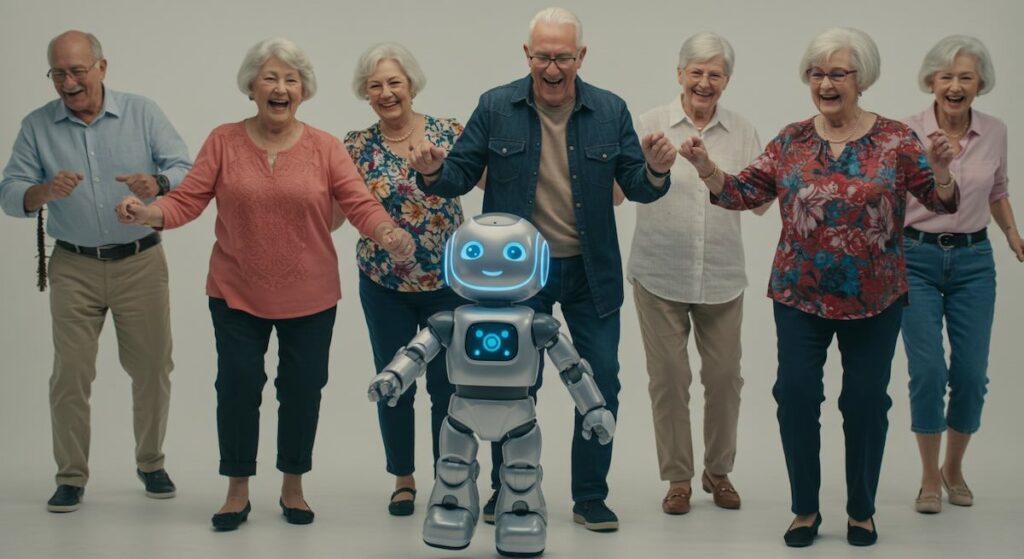
Robot companions for seniors are more than a futuristic concept—they are a real, evolving solution to some of the biggest challenges in elder care. From combating loneliness and supporting daily routines to enhancing safety and providing emotional comfort, these machines are transforming lives. Whether in private homes or senior living communities, robot companions are offering a new kind of care—one that blends Technology with empathy.
The world is aging, and traditional models of caregiving are being stretched thin. Robot companions don’t aim to replace the human touch—they aim to complement it. They offer a helping hand, a listening ear, and a source of comfort when it’s needed most. If you’re caring for a loved one or planning for your own future, it’s worth exploring what robot companionship could mean for your life. The future of elderly care is already here—and it’s got a friendly voice, a soft touch, and maybe even a furry tail.