

Mindfulness isn’t just a buzzword—it’s a life skill. At its core, mindfulness is the practice of being fully present, aware of where we are and what we’re doing, and not overly reactive or overwhelmed by what’s going on around us. It’s about living in the moment, without judgment. As we age and become retired, this simple yet powerful approach to life can be transformative because mindfulness is the art of being fully present—right here, right now—without judgment. It’s both a mental state and a practice that invites you to observe your thoughts, Emotions, and bodily sensations with Clarity and compassion.
In today’s fast-paced world, we often live on autopilot. Retirement, however, offers a unique chance to hit pause. It’s the perfect time to reconnect with ourselves, our bodies, and the environment. With mindfulness, you’re not just passing time—you’re fully living each moment with intention and clarity. This conscious presence has been shown to reduce Stress, improve emotional Health, and foster a deeper sense of satisfaction. As we age, our brains and bodies face changes—some subtle, others more profound. These shifts can stir up feelings of uncertainty or fear. Mindfulness offers a steady anchor, helping us navigate those changes gracefully. It helps retirees stay grounded, appreciate the little things, and face life’s inevitable shifts with calm awareness. It’s not about avoiding the storm, it’s about learning to stay balanced during them.

Retirement marks the end of one chapter and the beginning of another. While it is often seen as a time of rest and reward, it can also be filled with challenges. You go from a structured daily routine, a clear purpose, and regular social interaction, to… well, a lot more freedom and uncertainty. For many, this abrupt shift can trigger confusion, restlessness, or even a sense of loss.
Mindfulness becomes incredibly helpful in managing this transition. It encourages a mindset of acceptance, allowing retirees to embrace the changes without judgment. Instead of clinging to the past or worrying about the future, mindfulness invites us to settle into the now—what you feel, see, hear, and experience in real time. Think of it this way: retirement isn’t about stepping back from life; it’s about stepping into a new kind of freedom. Mindfulness helps retirees explore this freedom without fear. It opens the door to self-reflection, self-care, and new perspectives. Whether it’s adjusting to a quieter home, dealing with health changes, or simply learning how to fill the day meaningfully, mindfulness serves as a gentle guide.
Let’s face it— “senior moments” are real. You walk into a room and forget why. You misplace your glasses (only to find them on your head). These lapses can be frustrating and, at times, concerning. But the good news is mindfulness can help sharpen your mind and reduce cognitive fog. Mindfulness is like a workout for the brain. When you train your attention to stay in the present moment, you’re strengthening neural pathways responsible for focus, memory, and executive function. Research backs this up—studies have shown that older adults who practice mindfulness demonstrate improved working memory and sustained attention. You don’t need to sit in silence for hours to see results. Even 10 minutes of focused breathing or mindful observation daily can create noticeable improvements. Think of it like clearing out the mental clutter. When your thoughts aren’t scattered across past regrets or future worries, you can better remember names, tasks, and conversations.
Moreover, mindfulness encourages single tasking over multitasking. In retirement, there’s often less pressure to juggle a dozen things at once—so why not take advantage of that? By giving your full attention to each activity, whether it’s reading, Gardening, or chatting with a friend, you naturally boost memory retention and cognitive clarity.
The fear of memory loss and cognitive decline is real for many of us. Conditions like Alzheimer’s and dementia loom large in the minds of Aging individuals. While mindfulness isn’t a cure, it can be a powerful preventive tool that supports long-term brain health. Regular mindfulness practice is associated with structural changes in the brain. MRI studies have found increased gray matter density in areas linked to learning and memory in mindfulness practitioners—even in older adults. It’s like putting your brain on a healthy Diet and Exercise plan.
More importantly, mindfulness reduces the cognitive load caused by stress. Chronic stress is a silent killer when it comes to mental sharpness. By activating the body’s relaxation response and lowering cortisol levels, mindfulness protects the brain from stress-induced damage. In short, less stress = a healthier brain. And let’s not forget mindfulness also encourages better Sleep, emotional stability, and physical activity—all of which contribute to slowing cognitive aging. When practiced consistently, it acts as a buffer, helping your brain stay more agile, adaptive, and alert.
Ever notice how negativity can become a default lens as we age? We complain about aches, miss the good old days, and sometimes get stuck in cycles of comparison. But what if you could flip that internal narrative? That’s exactly what mindfulness, especially when paired with gratitude, empowers you to do.
Mindfulness trains the brain to notice the present without judgment. Gratitude directs that awareness toward what’s going right—no matter how small. Combined, they create a powerful loop: the more you notice the good, the better you feel. Practicing gratitude mindfully means not just listing what you’re thankful for but actually feeling it. Savoring a warm cup of tea, hearing a birdsong in the morning, or recalling a loving gesture from a grandchild—these moments, when experienced fully, build a stronger sense of joy and contentment. Over time, this mindset becomes your default. Instead of dwelling on what’s missing, you begin to appreciate what’s already here. For retirees, this shift can transform the golden years into something truly golden.
One of the unexpected challenges of retirement is navigating changes in Relationships. You may find yourself spending more time with your spouse than ever before—or feeling a growing distance from adult children and old friends. Retirement can bring both closeness and conflict. Here’s where mindfulness becomes a secret weapon for nurturing better relationships.
Mindfulness helps you become more present during interactions. Instead of mentally drifting off or preparing your next response while someone’s talking, you start to really listen. You begin to notice tone, body language, and emotion, not just words. This deep presence makes conversations more meaningful and reduces misunderstandings. This also helps you pause before reacting. So, when a Family member says something that triggers irritation, mindfulness gives you a brief mental space to choose how you respond. That small pause can prevent arguments, hurt feelings, and lingering resentment. Moreover, practicing mindfulness cultivates compassion—not just for others, but for yourself. This self-kindness helps you show up more authentically in your relationships. Whether you’re reconnecting with old friends or navigating tough conversations with your kids, mindfulness fosters empathy and openness, making your older years more connected and emotionally rich.
Loneliness is one of the most serious emotional risks retirees face. As work schedules disappear and friends move or pass away, many older adults find themselves spending long hours alone. While solitude can be peaceful, too much of it becomes isolating—and harmful to both mental and physical health. Mindfulness offers a powerful antidote. First, it strengthens your ability to be okay with your own company. When you’re truly present, even time alone feels less empty and more engaging. You start to enjoy your thoughts, your breath, the world around you. You realize you’re never really alone when you’re present with yourself.
Second, mindfulness increases your awareness of connection. You might notice the barista’s smile, the warmth of sunlight through a window, or the shared laughter of neighbors down the hall. These micro-moments of connection, when mindfully observed, combat feelings of isolation.
And lastly, mindfulness encourages you to take social risks—like starting a conversation at a senior center or joining a Meditation group—because you’re less caught up in fears of rejection or awkwardness. By grounding you in the moment, it reduces social Anxiety and opens you up to new relationships.
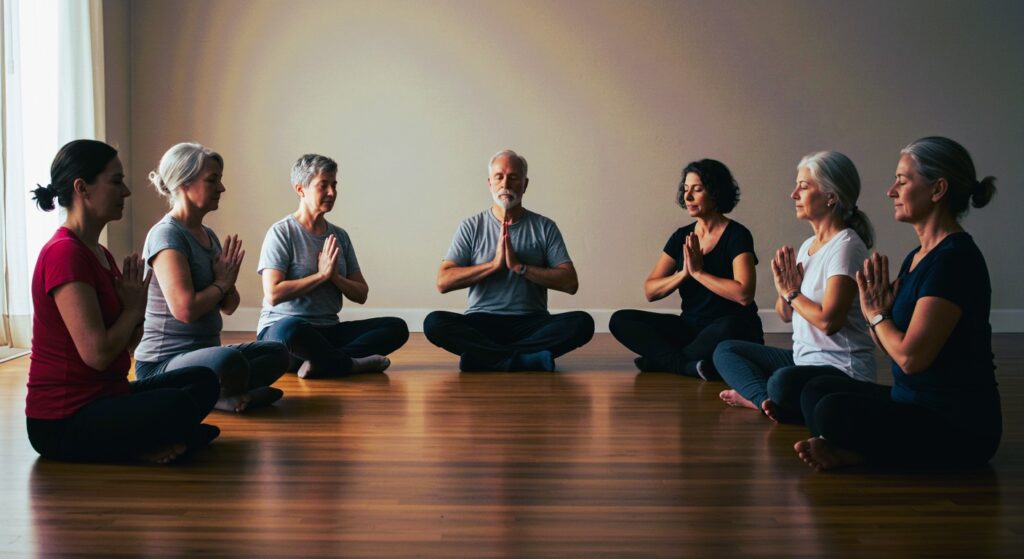
Retirement isn’t just the end of a career—it’s the beginning of a new way of life. It’s a time to slow down, reflect, and reconnect with what truly matters. Mindfulness offers a gentle, powerful path through this transition, helping you navigate the emotional, mental, physical, and even spiritual challenges that come with aging. Whether you’re seeking more peace, purpose, or presence, mindfulness equips you with the tools to live this next chapter more fully. It’s not about changing who you are, it’s about waking up to who you’ve always been.
From better sleep and memory to deeper relationships and inner calm, the benefits are vast. But more than anything, mindfulness brings you home—to this moment, to your breath, to your beautiful, evolving life. Take a deep breath, notice how it feels, and remember: the best time to be mindful is now.