

Ever notice how, as the years roll on, we start thinking differently about life? It’s not just about birthdays and wrinkles—Aging brings a deep shift in how we see ourselves, others, and the world. We begin to reflect more, ask bigger questions, and seek a sense of purpose. These reflections aren’t just idle thoughts. They shape how we spend the rest of our lives. In fact, they can transform the aging process from something we fear into something we welcome. Growing older becomes a journey of discovery, not decline. Reflection is like holding a mirror up to your life—not to judge it, but to understand it. It’s about looking back, looking within, and sometimes, looking forward with fresh eyes. As we grow older, reflections often shift from ambition and accumulation to meaning, Legacy and integration. So, what should we be thinking about as we grow older? What kind of reflections matter most?
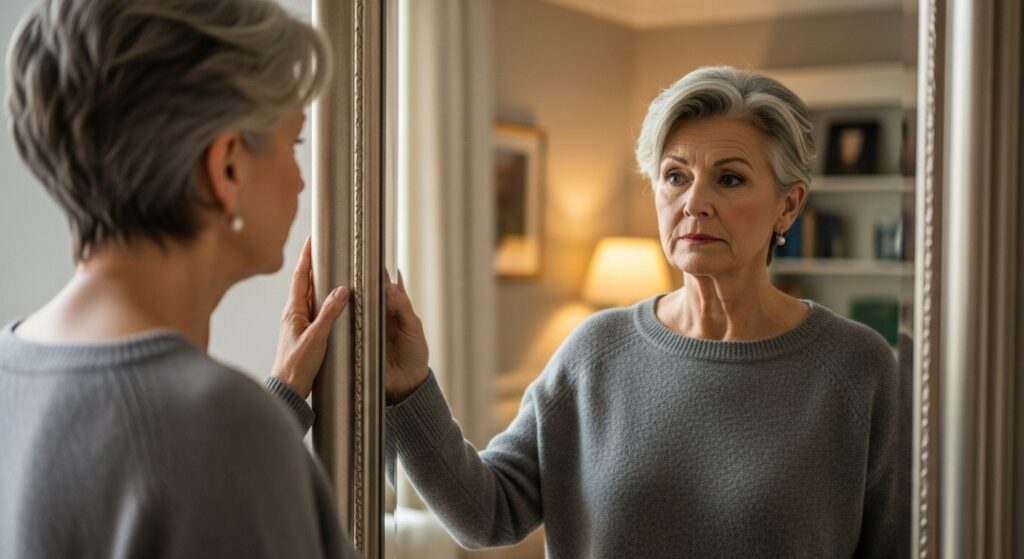
As we age, time starts to feel… different. When we’re younger, it seems endless. But as the years add up, time has become one of our most precious—and limited—resources. We begin to ask: Where did the time go? Did I spend it well? Looking back, it’s not unusual to feel a mix of pride and regret. We remember moments we cherished and others we let slip through our fingers. That’s part of the process. The reflection here isn’t about dwelling on wasted time, it’s about recognizing how we want to spend the time we have left.
The realization that time is finite can be both humbling and motivating. It pushes us to live with more urgency, but also more care. We stop putting off the important stuff—reaching out to loved ones, chasing that passion project, or simply taking a walk in the sun without checking our phones. It’s also about reclaiming time. Saying no more often. Prioritizing what matters most. When we understand the real value of time, we naturally become more intentional with it. After all, every moment is a gift—and growing older helps us see that more clearly than ever.
Remember those big dreams you had in your 20s? Career success, Travel, Love, making a difference? As we grow older, we start to evaluate whether we’ve achieved those goals—and what new ones we might still want to pursue. Some people find comfort in ticking off those boxes. Others feel a lingering sense of disappointment. But the meaning of success changes as we age. It’s no longer about how much we have or how far we’ve climbed. It becomes more about who we’ve become and how we’ve lived.
Reflection at this stage isn’t about judging yourself, it’s about understanding. Maybe your path didn’t look the way you imagined, but maybe it was richer and more meaningful in other ways. Maybe you raised a Family, created art, built a business, or simply showed up every day with integrity. This is also the perfect time to set new goals rooted in Wisdom rather than ambition. Whether it’s traveling somewhere new, mentoring someone, or writing that book, growing older doesn’t mean we stop dreaming. It means we get better at dreaming with depth.
Nobody gets through life without making a few (or many) mistakes. As we age, those mistakes can either haunt us or teach us. The choice is ours. One of the most powerful reflections we can have is asking: What did I learn from my failures? Did that painful breakup make you stronger? Did that bad career move lead you to something better? Mistakes are part of being human. And the older we get, the more we realize that perfection was never the goal and this kind of reflection isn’t about shame or guilt. It’s about Growth. By embracing our past missteps, we begin to understand ourselves more deeply. We develop empathy—for ourselves and others. We stop striving for impossible standards and start showing up more authentically. Owning our mistakes also helps us heal. It can lead to powerful conversations, long-overdue apologies, or even reconnections we never thought possible. Most of all, it reminds us that we are constantly evolving—and that it’s never too late to grow.
As the years go by, it becomes increasingly clear: people matter more than anything else. Our Relationships, whether with partners, children, friends, or even colleagues—shape the quality of our lives. Growing older often brings a shift in how we view these connections. We may reflect on who’s been there through thick and thin, and who may have faded away. Some relationships bring warmth and comfort. Others, unfortunately, may bring pain or unresolved tension.
This stage of life calls us to nurture the good ones and release the ones that no longer serve us. It’s a time to deepen bonds, express love, and prioritize meaningful conversations. Don’t wait for a special occasion—tell your friends and family what they mean to you now. It’s also a time to forgive—both others and ourselves. Let go of old grudges. Rebuild bridges if they feel right. Because at the end of the day, the love we give and receive is what stays with us the longest.
At some point, most of us ask ourselves: What am I leaving behind? It’s not about Money or material possessions—it’s about the mark we’ve made on the world. As we grow older, this reflection becomes more urgent. We think about the impact we’ve had on others, the values we’ve lived by, and the stories people might tell about us when we’re gone. Legacy isn’t just for the rich or famous. It lives in the small, everyday actions, the kindness we show, the wisdom we share, the example we set. Maybe your legacy is the children you raised, the community you helped build, the art you created, or the causes you stood for. Even a quiet life, lived with integrity and compassion, creates ripples that reach far beyond what we can see. Now is the time to think about contribution. How can you still make a difference? Can you mentor someone? Volunteer your time? Write down your stories? Legacy is about significance, not size. And the beautiful truth? You’re still writing yours.
Holding onto anger or resentment is exhausting. As we age, we start to feel the emotional weight of things we never resolved. People who hurt us. Choices we regret. Words we never said. Carrying those emotional burdens into the later years of life only robs us of peace. Forgiveness isn’t about saying what happened was okay. It’s about freeing yourself from its grip. Reflecting on what you need to release—whether it’s a person, a moment, or even a version of yourself—can be one of the most healing experiences you’ll ever have.
Sometimes the hardest person to forgive is you. But beating yourself up for past mistakes helps no one. Reflection invites grace. It says: I did the best I could with what I knew at the time. And if you can learn from it, grow from it, and let it go—that’s powerful. Letting go doesn’t always mean reconciliation. It means peace. It means you’ve decided that your happiness is more important than hanging onto hurt.
Funny how, when you’re younger, you chase the big stuff—promotions, milestones, goals. But as you grow older, the small things begin to shine. A morning breeze. A shared laugh. The taste of your favorite meal. The sound of birds at dawn. Reflection helps us notice these things more. It slows us down and tunes us in. You begin to see that happiness doesn’t always come in loud, flashy moments—it sneaks in quietly, often when we’re not paying attention.
The simple joy of being alive can be deeply fulfilling when we start paying attention. When was the last time you really noticed how beautiful the sky looked? Or how good it feels to sit in silence? These little moments add up. They become our memories, our peace, our daily nourishment. So, take time to pause. To savor. To say thank you for the ordinary. Because one day, we’ll realize those “small” moments were the big ones all along.
We all have a story we tell ourselves about our life. Maybe it’s full of triumph. Maybe it’s full of struggle. As long as you’re breathing, you can rewrite the story. Reflection helps us look at our narrative with fresh eyes. Were we really failures? Or were we survivors? Were we unlucky? Or were we resilient? By reframing how we see our past, we can change how we live in the present.
This doesn’t mean rewriting history, it means reclaiming it. Giving yourself credit for how far you’ve come. Seeing the hero in the mirror. Recognizing that every chapter had a lesson, even the hard ones. There are still blank pages ahead. If you’re 60, 70, or 90, you have more story to tell. Make it a good one.
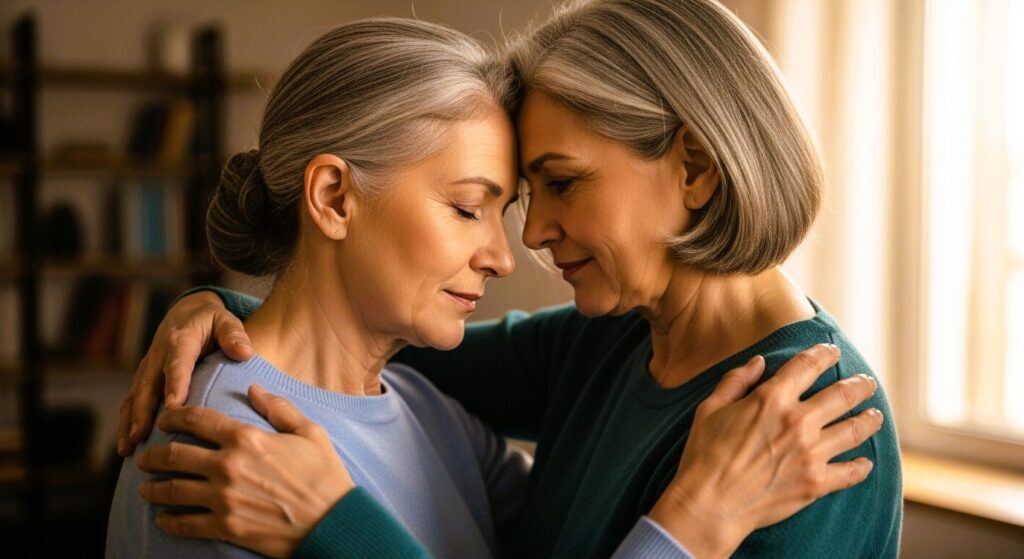
Growing older isn’t just about counting candles—it’s about cultivating wisdom. It’s about looking back with love, living now with intention, and looking forward with hope. Reflection is the compass that helps us navigate this journey with grace. By understanding time, embracing mistakes, cherishing relationships, and nurturing our inner world, we turn aging into an art form. It’s not about decline—it’s about deepening. About becoming more you than ever before. So, take time to reflect. Write it down. Talk it out. Sit in silence. Walk in nature. Whatever your method, make reflection part of your life. It will make everything richer. Aging isn’t the end of the story—it’s just a more meaningful chapter.