

Kids used to beg to go outside. Remember when they’d rush out right after school, only coming back when the streetlights flickered on? Fast forward to today—and it’s like pulling teeth just to get them to step off the couch. If you’re asking yourself, “Why won’t my kid play outside anymore?”, you’re far from alone. This shift isn’t just about laziness or bad Parenting; it’s a complex mix of digital temptation, cultural change, and evolving lifestyles. According to ProjectPlay.org, in 2013, 60% of our kids aged 6-17 participated regularly in playing sports. This year that participation number has dropped to 41%. Why?
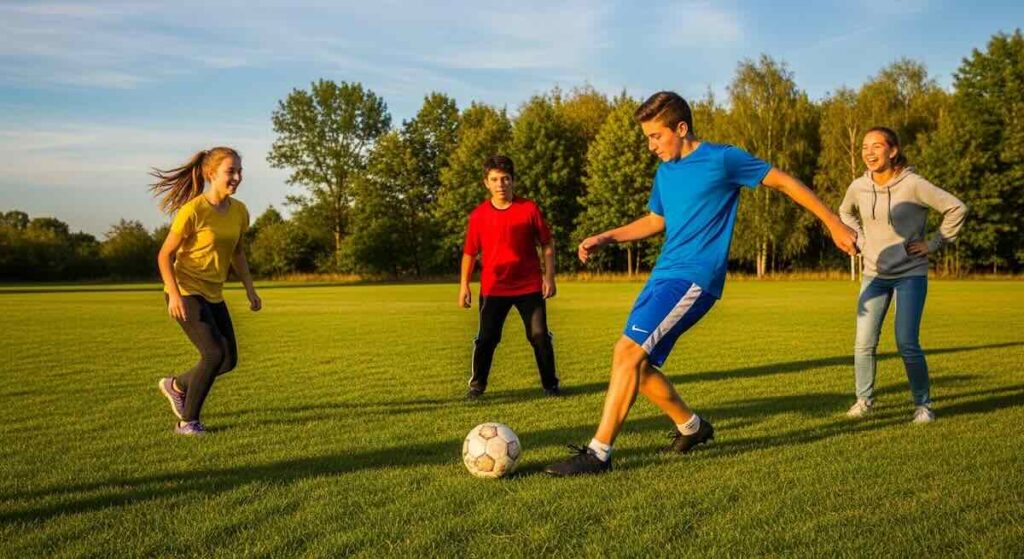
Childhood has undergone a massive transformation. Decades ago, play meant hopscotch, hide-and-seek, climbing trees, or biking down the street. But those classic outdoor activities have been replaced—or overshadowed—by the irresistible allure of tablets, gaming consoles, and YouTube.
Culturally, there’s been a pivot. Play is no longer just about physical movement or face-to-face interaction, it’s digital. Kids socialize through headphones and screens. And while older generations might see this as “not real play,” for today’s youth, virtual spaces are their playgrounds. That doesn’t mean it’s inherently bad—but it does explain why swinging on monkey bars just doesn’t compete anymore. Another major factor? Time. Back then, parents weren’t hovering. Kids roamed freely and made their own rules. Today, supervision is stricter, schedules are busier, and spontaneous outdoor fun has been replaced with structured, adult-led activities—or none at all. What we’re witnessing is a cultural evolution of childhood play, and unless we understand that shift, we can’t start to address it.
Technology isn’t just a distraction. For kids, it’s a world of its own. Whether they’re building entire cities in Minecraft, scrolling TikTok for laughs, or chatting with friends in Fortnite, these digital platforms serve the same emotional and social functions that playing outdoors once did. Tech is always available. Unlike the park that’s a 10-minute walk away, the screen is right there. It’s accessible, easy, and doesn’t require anyone else to join. Plus, kids are good at tech. It makes them feel capable, confident, and in control. Can we blame them for choosing that over sweating it out in the yard alone? While digital play has benefits, it often lacks the physical activity, fresh air, and real-world problem-solving that outdoor play naturally provides. And that imbalance can have long-term effects—on their Health, imagination, and even emotional resilience. So, it’s not that kids are “lazy” or “spoiled”—they’ve simply found a different kind of playground. The question is: how do we gently guide them back to the other one?
Ever notice how hard it is for your child to look away from a screen—even when you call them multiple times? That’s not accidental. Modern tech is engineered to be addictive, and kids are especially vulnerable to those design tricks. Game developers and social media platforms use what’s called “variable rewards”—a tactic borrowed straight from casinos. Every time your kid gets a new skin in a game, a like on a post, or unlocks a level, their brain releases a hit of dopamine. It’s pleasure on demand. And just like that, they’re hooked. Notifications, bright colors, sound effects, they’re all part of the trap. Even educational apps aren’t exempt. While we like to believe some screen time is “productive,” the design still often prioritizes engagement over learning.
For many kids, especially tweens and teens, online platforms aren’t just Entertainment, they’re their social lifeline. Where we once knocked on doors asking, “Can Johnny come out and play?”, today’s kids are saying “Meet me on Roblox at 4.” Gaming communities like Fortnite, Minecraft, and Among Us are social ecosystems. Kids chat, laugh, collaborate—and yes, even argue—just like they would on a basketball court. Social media platforms like Snapchat, Instagram, and TikTok offer constant connectivity and validation. So, when we say, “Go outside and play,” they hear: “Go be bored and alone.” That’s why pushing outdoor play needs more than just limiting screen time. We need to help rebuild real-world social networks and make the outdoors fun again, not just a punishment for too much screen use.
Here’s a modern paradox: kids are doing too much, but also not enough. Between school, homework, tutoring, music lessons, and Family obligations, many kids barely have time to breathe—let alone play outside. We’ve unintentionally filled childhood with productivity, leaving little room for the kind of unstructured, spontaneous outdoor play that once defined it. There’s pressure to build resumes from a young age, to be constantly improving, learning, excelling.
As a result, play—especially the messy, imaginative kind that happens outdoors—gets sidelined as “unimportant” or “a waste of time.” But that couldn’t be further from the truth. Outdoor play is where kids build creativity, resilience, social skills, and mental Clarity. It’s essential, not optional. We need to reevaluate priorities. It’s okay if kids don’t have a jam-packed schedule. Boredom isn’t the enemy, it’s a doorway to imagination, especially when the outdoors is part of the equation.
Academics have taken over childhood. Many students come home from a full day at school only to face a mountain of homework. Add test prep and extracurricular learning, and suddenly there’s no daylight left for outdoor fun. This overemphasis on academics has shifted the focus from holistic development to constant achievement. Even recess and PE are getting cut in some schools, limiting kids’ access to outdoor time during the day.
Outdoor play actually improves academic performance. It sharpens focus, reduces Stress, and boosts memory. So, the very thing we’re sacrificing for better grades is what could be helping kids excel in the first place. As parents and educators, we must protect outdoor play like we protect study time. A well-balanced child is not just a smarter student—but a healthier, happier human being.
Kids are social creatures. They thrive on play that involves others—tag, soccer, hide-and-seek, or even just chatting while walking around. So, if no one else is outside, what’s the point? One of the major reasons kids avoid the outdoors now is because their peers aren’t there. You can’t play a team game or build a fort by yourself. Without neighborhood buddies, outdoor time becomes a solitary activity—and for many kids, that’s just not appealing. Add in the awkwardness of introducing yourself to unfamiliar kids (especially if your child is shy or introverted), and you’ve got another reason they’d rather just stay online where everyone already “knows” them.
Encouraging outdoor socializing takes a bit of effort. Try arranging regular outdoor playdates or mini backyard hangouts. Talk to other parents in your area about setting up a neighborhood “outdoor hour.” Kids are far more likely to play outside when they know someone is waiting for them.
Not all play is created equal. In recent years, there’s been a heavy shift toward structured play like dance classes or STEM camps. These are great, but they’re also adult-led and often come with rules, schedules, and goals. What’s missing? Unstructured play—free time to run, climb, build, imagine, and explore without a coach or a plan. This kind of play typically happens outdoors and is essential for creativity, decision-making, and emotional Growth. Structured play teaches discipline and teamwork, but unstructured play teaches life. It’s where kids learn conflict resolution, risk-taking, storytelling, and independence. If your child only associates play with rules and performance, they might not see the value of “just” going outside to wander or invent a game. Reintroducing them to the joy of spontaneous play—starting with simple outdoor activities—is key to reigniting their interest in the great outdoors.
Children do as we do, not as we say. If they see us glued to phones, working from laptops on weekends, or preferring to stay indoors, they’ll likely adopt the same habits. On the flip side, if they see us lacing up our shoes for a walk, watering plants, or playing frisbee in the yard—they’ll get curious. Parental behavior sets the tone. You don’t need to be an outdoor enthusiast to inspire your child. Just show interest in the world beyond the screen. Invite them for a walk. Ask them to help plant something. Dance barefoot in the grass with them. These small moments show them that nature is not only accessible but enjoyable. And sometimes, leading by example is the only nudge they need.
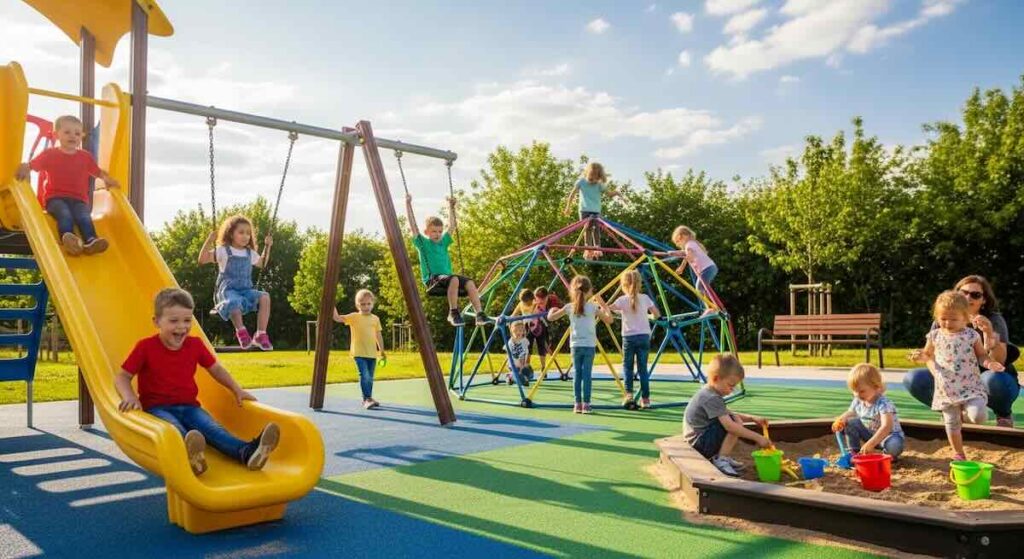
Your child’s reluctance to play outside isn’t a mystery, it’s the result of modern life. Screens are enticing, time is tight, fears are real, and routines have shifted. But it’s not too late.
With small, intentional steps, you can reintroduce your child to the magic of the outdoors. You can make nature feel like a gift—not a punishment. And you can help them rediscover the joy of dirt under their nails, wind in their hair, and adventure around every corner. Start slow. Stay patient. Lead with joy. The world is waiting outside—and your child is worth the effort.