
The world’s top athletes have coaches. The most successful CEOs have coaches. Nobel Prize winners often credit their mentors and guides. Yet there persists a curious misconception in our achievement-oriented culture: that needing a coach somehow signals weakness or inadequacy. This couldn’t be further from the truth. As both a physician and executive coach with nearly three decades of experience working with high performers, I’ve witnessed an extraordinary paradox, the higher someone performs, the more they actually need Coaching to sustain and elevate their success.

The research is unequivocal. A comprehensive meta-analysis of randomized controlled trials found that executive coaching produces a moderate to strong positive effect, with participants showing significant improvements in behavioral outcomes, psychological capital, and resilience. Another study revealed that companies Investing in executive coaching realize an average return on investment of 5.7 times the coaching cost, with some organizations reporting returns exceeding 700%. But these numbers, impressive as they are, only tell part of the story. The real power of coaching lies in its ability to unlock the untapped potential that exists within even our highest achievers.
To appreciate why coaching is so essential for high performers, we must first understand what makes these individuals tick. High performers share distinct psychological and neurobiological characteristics that both fuel their success and create unique vulnerabilities. They possess what researchers call an “achievement orientation”—a deep-seated drive to accomplish challenging goals and make a meaningful impact. This drive activates specific neural pathways associated with motivation, goal-setting, and reward processing.
Recent neuroscience research using functional MRI has revealed fascinating insights into how coaching actually changes the brain. When individuals engage in what researchers term “Positive Emotional Attractor” coaching—characterized by compassion, hope, and visioning—specific brain regions light up, including the lateral prefrontal cortex, nucleus accumbens, and areas associated with social engagement and Stress reduction. This neuroplasticity demonstrates that coaching doesn’t just change behavior; it literally rewires the brain for enhanced performance and well-being.
High performers also exhibit distinct cognitive patterns that set them apart from average achievers. They focus on getting better rather than just being good, a mindset that research shows dramatically improves outcomes. They play to their strengths rather than obsessing over weaknesses, track their progress meticulously, and maintain what psychologists call an “internal locus of control”—the belief that they can influence their outcomes through their actions.
However, these very strengths can become limitations without proper guidance and perspective.
The same psychological drivers that propel high performers to extraordinary heights also create specific challenges that coaching uniquely addresses. Research reveals that high performers face elevated risks of Burnout, with 53% reporting burnout symptoms compared to lower percentages in average performers. Their perfectionist tendencies, while driving excellence, can also generate chronic stress, Anxiety, and an inability to rest effectively.
One of the most insidious challenges high performers face is what psychologists call “performance entitlement”—the unconscious belief that their exceptional contributions exempt them from certain expectations or collaborative behaviors. This phenomenon can erode Relationships and limit long-term effectiveness, even as short-term performance remains strong.
High performers also struggle with what I call the “isolation of excellence.” Their drive for achievement often leads them to prefer working alone, which can limit their exposure to diverse perspectives and feedback. They become so focused on execution that they lose sight of the bigger picture, potentially missing strategic opportunities or failing to develop others around them.
Perhaps most significantly, high performers often find it difficult to recognize when they need help. Their self-reliance and confidence, while generally assets, can blind them to blind spots and prevent them from seeking support until challenges become crises.
The emerging field of neurocoaching provides compelling evidence for why coaching is so effective, particularly for high performers. When we engage in coaching conversations, multiple brain networks activate simultaneously. The default mode network, associated with self-reflection and introspection, increases activity while the task-positive network, linked to focused attention and problem-solving, also engages.
This dual activation creates what neuroscientists call “insight moments”—sudden shifts in understanding that feel like “aha!” experiences. These moments are accompanied by gamma wave activity in the brain, indicating the formation of new neural connections. For high performers, who are constantly seeking Growth and improvement, these neurological insights translate into immediate performance enhancements and long-term capability development.
Research using electroencephalography (EEG) has shown that coaching interventions increase delta activity in the prefrontal regions, associated with goal-setting and motivation, while simultaneously boosting beta-gamma activity in areas linked to reward anticipation. This neurological “wanting and liking” response explains why high performers often become energized and more focused following coaching sessions.
The parasympathetic nervous system activation that occurs during positive coaching interactions also provides high performers with something they desperately need but rarely prioritize: genuine stress recovery. This neurobiological reset allows them to maintain their high-performance state sustainably rather than burning out.
While coaching benefits all individuals, high performers derive unique advantages that justify the investment of time and resources. First, they possess the cognitive complexity and self-awareness to fully leverage coaching insights. Their growth mindset means they don’t just receive feedback; they actively integrate and apply it.
High performers also face challenges that average performers simply don’t encounter. They deal with higher stakes decisions, greater visibility, and more complex interpersonal dynamics. A study of over 200,000 employees found that high performers care most about accessing stress management resources—precisely what quality coaching provides. They need support to navigate the unique pressures of excellence while maintaining their humanity and connections.
Research demonstrates that coaching is particularly effective for high performers because it addresses their core psychological needs. It provides the meaningful challenge they crave while offering the autonomy they require. Most importantly, it gives them permission to be vulnerable and explore areas of uncertainty without judgment—something their public personas rarely allow.
The accountability that coaching provides is especially valuable for high performers who have learned to rely primarily on self-motivation. An external coach serves as both mirror and compass, helping them see blind spots while keeping them oriented toward their most important goals. This external perspective becomes increasingly critical as responsibilities and complexity grow.
The return on investment for coaching high performers extends far beyond individual performance improvements. When we develop our best people, the ripple effects throughout the organization are profound. Research shows that coached leaders create higher employee engagement, with teams reporting 32% improvement in engagement scores under coached leadership. This increased engagement translates directly into productivity gains, retention improvements, and customer satisfaction increases.
A Fortune 500 telecommunications company study found that coaching produced a 529% return on investment through enhanced productivity, with an even higher 788% ROI when employee retention benefits were included. For high performers specifically, the ROI calculations are even more compelling because their individual contribution to organizational success is disproportionately large.
High performers coached effectively become coaches themselves, developing others and strengthening the entire leadership pipeline. They model the growth mindset and continuous learning that organizations need to thrive in rapidly changing environments. Perhaps most importantly, they demonstrate that seeking support is a sign of strength, not weakness, creating cultural permission for others to invest in their own development.
Not all coaching approaches are equally effective with high performers. These individuals require coaches who can match their intellectual intensity and challenge them appropriately. They need coaches who understand the pressures of high-stakes environments and can provide both strategic and emotional support.
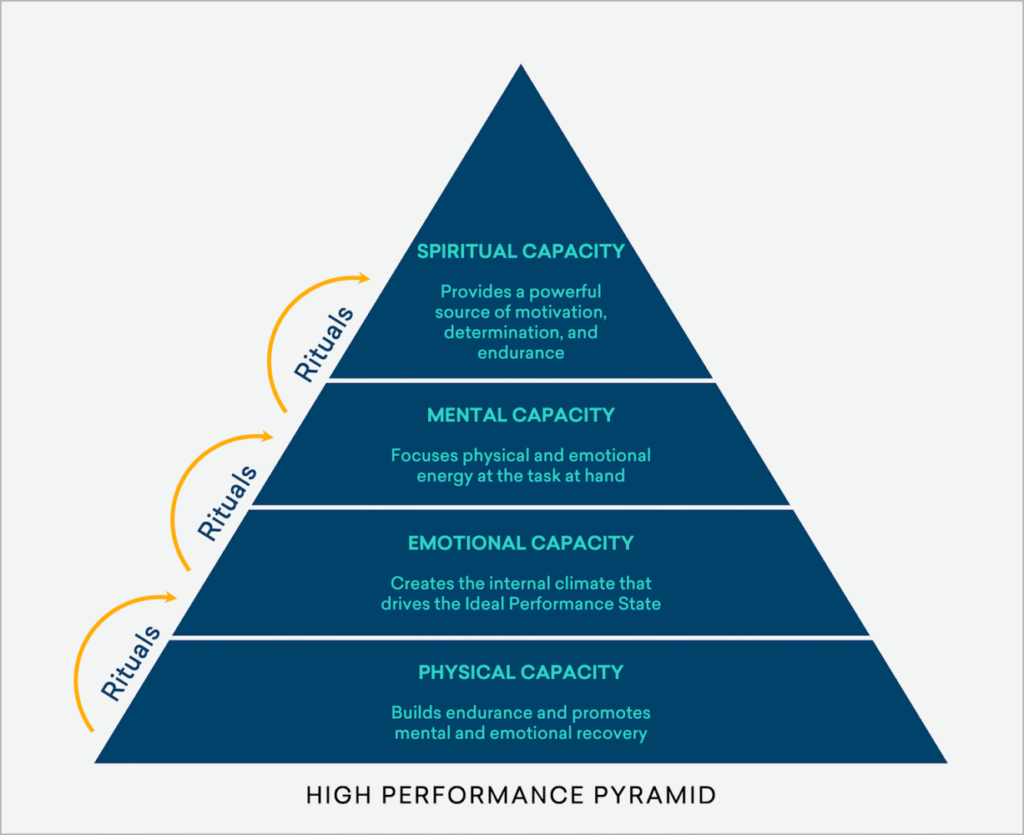
High performers benefit most from what I call “integral coaching”—an approach that addresses the whole person, not just professional performance. This includes physical capacity and energy management, emotional intelligence and stress resilience, mental Clarity and strategic thinking, and spiritual purpose and meaning-making. The integration of these dimensions creates the sustainable high performance that allows excellence to become a way of being rather than a state to achieve.
The coaching relationship itself must be carefully calibrated for high performers. They need coaches who can provide immediate value, move quickly, and offer insights they couldn’t generate on their own. They require a partnership model rather than a hierarchical relationship, and they need coaches who understand their world and can speak their language.
Perhaps the most profound reason high performers need coaches is to transcend the limitations of individual excellence. No matter how talented, driven, or intelligent someone is, they cannot see their own complete picture. A coach provides the external perspective that reveals blind spots, unconscious patterns, and untapped possibilities.
High performers often reach what I call “the ceiling of solo performance”—a point where their individual capabilities, no matter how exceptional, become the limiting factor in their continued growth. Coaching breaks through this ceiling by expanding their awareness, challenging their assumptions, and connecting them to resources and insights beyond their individual reach.
The coaching relationship also provides high performers with something increasingly rare in their world: genuine, honest feedback delivered with care and without agenda. Unlike organizational feedback, which may be filtered through politics or hierarchy, coaching feedback is designed purely to serve the individual’s growth and effectiveness.
My research and clinical experience have shown that resilience isn’t just about bouncing back from adversity—it’s about developing the capacity to thrive under pressure while maintaining well-being. High performers, by definition, operate under constant pressure. Without proper support systems, this pressure leads inevitably to burnout, decreased performance, and often complete derailment.
Coaching provides high performers with the tools and perspective needed to build what I call “sustainable excellence”. This includes learning to recognize and interrupt stress cycles before they become chronic, developing practices that restore energy and clarity, and maintaining perspective on what truly matters amid the demands of achievement.
The neuroscience research is clear: chronic stress literally shrinks the prefrontal cortex, the brain region responsible for executive function, decision-making, and emotional regulation. Coaching interventions that activate the parasympathetic nervous system and promote neuroplasticity help high performers maintain and enhance their cognitive capabilities over time rather than depleting them.
As we move into an era of increasing complexity and rapid change, the old model of high performance, pushing harder and doing more, is becoming obsolete. The future belongs to leaders who can integrate multiple dimensions of intelligence: cognitive, emotional, somatic, and spiritual. Coaching is the vehicle that makes this integration possible.
High performers who embrace coaching don’t just become better at what they already do well; they develop entirely new capacities for leadership, Innovation, and impact. They learn to access states of Consciousness and creativity that were previously unavailable to them. They develop the meta-skills, learning how to learn, adapting how to adapt—that allow them to thrive in any environment.
Most importantly, they discover that their greatest contributions come not from their individual excellence alone, but from their ability to elevate others and create conditions for collective high performance. This shift from high individual performance to high systemic performance represents the next evolution of leadership—and coaching is the catalyst that makes it possible.
The question is not whether high performers need coaches—the research has definitively answered that they do. The question is whether our organizations and our culture will evolve to embrace coaching as an essential component of leadership development rather than a remedial intervention.
As someone who has spent decades at the intersection of medicine, psychology, and performance, I’ve seen repeatedly that our greatest limitation is rarely our capability but our perspective. Coaching provides the gift of expanded perspective, the courage to venture into unknown territory, and the support to sustain excellence over time.
The most successful individuals I’ve worked with understand a fundamental truth: seeking support is not a sign of weakness but the ultimate expression of commitment to excellence. They recognize that coaching isn’t something you need when you’re struggling—it’s something you invest in precisely because you refuse to settle for anything less than your full potential.
In a world that increasingly demands not just high performance but sustained high performance, coaching has evolved from luxury to necessity. For those who dare to pursue greatness, the question isn’t whether you can afford coaching—it’s whether you can afford not to have it.
The journey to your next level of excellence begins with a simple recognition: even the best can become better. And that journey, like all meaningful journeys, is best undertaken with a guide who can help you navigate the territory ahead and support you in becoming who you’re truly meant to be.
If you’re a high performer ready to explore your next level of excellence, or if you’re leading an organization committed to developing your top talent, the investment in coaching isn’t just about individual growth—it’s about unlocking the full potential that exists within you and your teams. The research is clear, the benefits are profound, and the time is now.