
Aging—just the word alone makes me shudder. It’s like a ticking clock hanging over my head, reminding me that time is passing and there’s no pause or rewind button. Many of us have whispered to ourselves, “I don’t want to grow old.” Not because we’re ungrateful for life, but because aging can feel like losing control, losing beauty, and losing relevance. But is that really the truth? Or is it a fear we’ve been taught to carry?
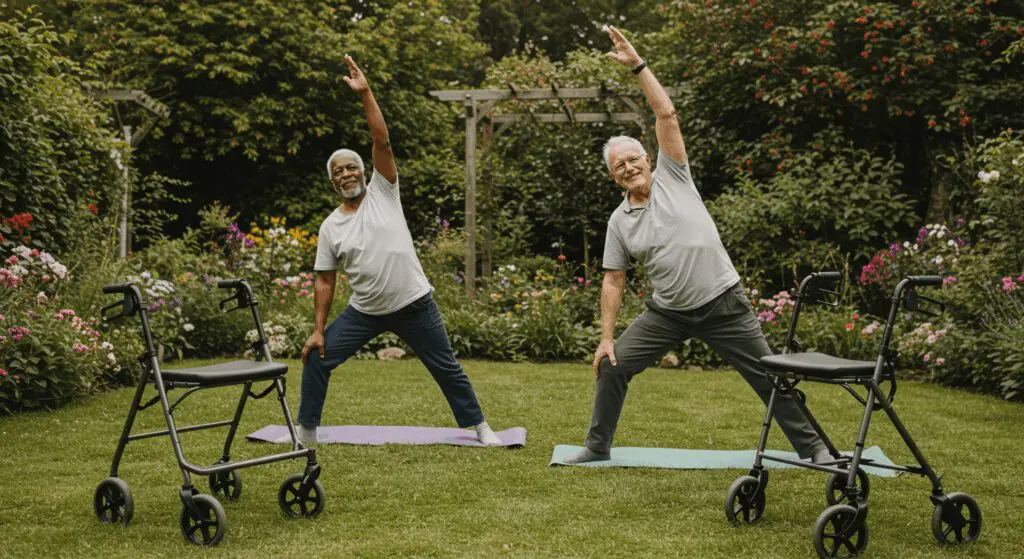
Growing old sounds like a lot of “giving up.” Giving up your energy, your looks, your strength, and sometimes your independence. But is that really all there is to aging? Our fear isn’t just about wrinkles or aching knees. It’s about what those things represent: vulnerability, invisibility, and mortality. Most of us aren’t terrified of getting old, we’re terrified of what we think old means.
The media doesn’t help either. Everywhere we look, youth is glorified. Anti-aging creams, Botox ads, 20-somethings starring in every film—it’s all a constant reminder that young is “in” and old is “out.” So, when we say, “I don’t want to grow old,” we’re actually saying, “I don’t want to be forgotten. I don’t want to be irrelevant.” There’s also the fear of regret—feeling like we’ve wasted time or didn’t live fully. The older we get, the louder that ticking clock becomes. That’s why embracing life now, in all its messy beauty, is crucial. Because fearing age won’t stop the clock, but living fully makes every second count.
Our brains are wired to avoid pain and seek pleasure. It’s no surprise then that aging—associated with illness, loss, and ultimately death—triggers Anxiety. From a psychological perspective, aging challenges our identity. The person in the mirror begins to change, but inside, we still feel 25. That disconnection can be jarring and lead to internal conflict. Moreover, age-related anxiety is often linked to low self-worth. In societies where productivity equals value, aging can feel like fading into the background. The fear isn’t always about Dying; sometimes, it’s about becoming invisible.
Interestingly, studies have shown that people who fear aging most intensely often struggle with other insecurities, be it body image, self-esteem, or unresolved Trauma. That fear becomes a projection of deeper emotional wounds. Addressing those underlying issues through Therapy, mindfulness, or self-reflection can radically shift how we view aging.
Aging does come with physical changes. Our metabolism slows down, our skin loses elasticity, our joints ache a little more after a long walk. And yes, that 10 p.m. bedtime starts sounding like a dream instead of a joke. But aging doesn’t mean your body is falling apart, it’s adapting. It’s wiser. And with the right care, your body can still be strong, flexible, and full of energy. The key? Listening to it. Feeding it right. Moving it daily. Giving it the Love and attention it deserves, instead of just wishing it looked like it did when you were 21.
It’s not just physical changes we have to contend with. Emotional well-being can take a hit as we age too. For some, there’s a growing sense of loss—loss of youth, of dreams, of loved ones. Depression, anxiety, and even existential dread can creep in. Mental Health support, strong Relationships, hobbies, and purpose-driven living can make a massive difference. You don’t have to accept sadness as the default just because you’re getting older. In fact, emotional resilience often increases with age. You’ve been through more. You’ve survived more. And that makes you stronger than you think.
One of the hardest parts of aging isn’t what happens on the outside, it’s what happens when your social world shrinks. Friends move, partners pass away, kids grow up and get busy with their own lives. The silence can be deafening. But loneliness doesn’t have to be your reality. Building community, Volunteering, joining clubs, even learning new skills can all connect you with others. Technology helps too. Virtual meetups, social media, and messaging apps can bridge the distance and keep you emotionally close even when physically apart.
You can’t stop aging, but you can slow the effects. And it all comes down to Lifestyle. What you eat, how you move, how you think—all of it plays a role in how you age. Start with the basics. Drink water—lots of it. Hydration keeps your skin supple, your organs functioning, and your energy up. Add in leafy greens, berries, nuts, and fatty fish to boost brain and heart Health. Ditch the processed junk and sugar; they age your cells from the inside out. Exercise is another magic bullet. It doesn’t have to be grueling. A daily walk, Yoga, or strength training can maintain muscle mass, improve balance, and even support mental health. But it’s not just about the physical. Journaling, Meditation, laughing often, and staying curious keep your mind youthful. When you care for your body and soul, aging becomes less of a burden and more of a badge of honor.
Food isn’t just fuel—it’s medicine. And when it comes to aging, what you put on your plate can either help you thrive or accelerate the aging process. Antioxidant-rich foods like blueberries, spinach, and green tea help fight free radicals, which damage cells and contribute to aging. Omega-3s found in salmon and flaxseeds are anti-inflammatory and support brain health. Fiber from whole grains and veggies keeps your gut healthy, which is linked to everything from immunity to mood.
Pair that with movement. Strength training builds muscle and bone density, which naturally decrease with age. Cardio supports heart health. Flexibility exercises like yoga reduce the risk of falls and injuries. You don’t need to train like an Olympian or eat like a monk. Just be consistent. Small changes, repeated daily, lead to lasting results. Think of your future self and act with them in mind.
Sleep is not a luxury, it’s a necessity, especially as you age. While you’re asleep, your body repairs cells, balances hormones, and detoxifies the brain. Without enough rest, aging accelerates. Wrinkles deepen. Your memory fogs. Your immune system weakens. Aim for 7–9 hours a night, and develop a routine that supports deep, uninterrupted sleep. Limit caffeine, power down screens before bed, and keep your room cool and dark. Create rituals like reading, gentle stretching, or listening to calming music to signal your brain that it’s time to wind down.
Equally important is Stress management. Chronic stress increases cortisol levels, which can wreak havoc on your skin, digestion, and mental Clarity. Meditation, breathwork, hobbies, and spending time in nature can reduce stress levels dramatically. You can’t always control the chaos around you, but you can control your response to it. And that can make all the difference in how you age—physically, mentally, and emotionally.
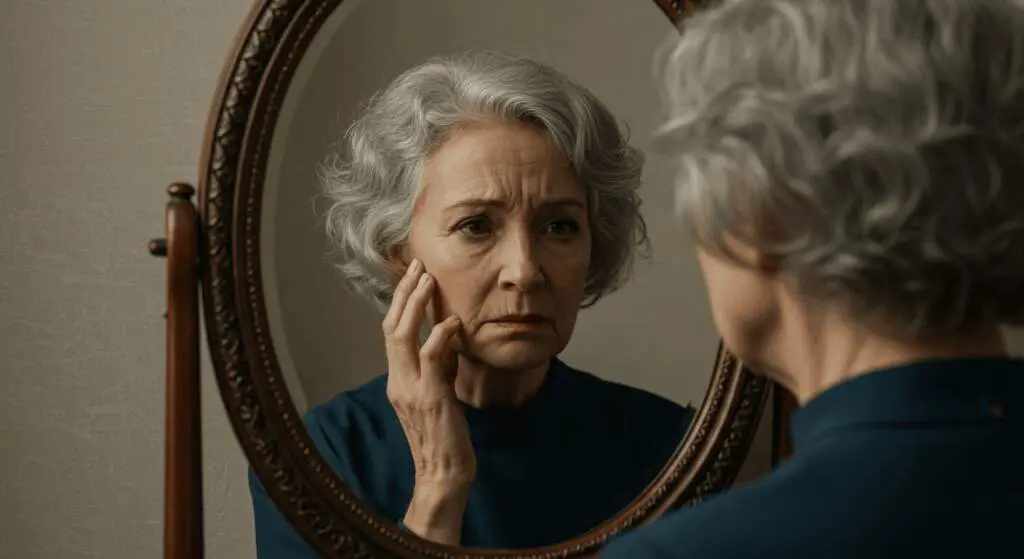
You’re not alone in your fear of growing old. It’s a universal human experience, fueled by media, culture, and personal insecurities. But aging doesn’t have to be something you dread. It can be something you welcome—a new chapter filled with deeper meaning, greater freedom, and richer relationships.
Yes, your body will change. Your skin will wrinkle. Your energy might dip. But your soul? That grows stronger, wiser, and more vibrant with every year. You can’t control time, but you can control your mindset, your habits, and how you choose to live.
With age comes real Wisdom, not just quotes you’ve read online. The kind that comes from experience. From falling and getting back up. From knowing when to fight and when to walk away. From understanding people because you’ve seen all kinds. There’s also a surprising kind of freedom that aging brings. You care less about what people think. You prioritize your peace. You say no more often and yes more deliberately. You learn to value your time and spend it well.
So much of our fear of aging stems from one thing: a fixed, outdated definition of what it means to grow old. We associate it with decline, dependence, and decay. But what if we redefined it? What if growing old wasn’t about losing things—but gaining them? More time for yourself. More freedom from external expectations. More insight from years of learning the hard way. Growing old can be a liberation, not a limitation. So instead of saying, “I don’t want to grow old,” how about this: “I want to grow better.” Because aging isn’t about fading away, it’s about coming into your own. Let’s live this life boldly, unapologetically, and gratefully—wrinkles, gray hairs, and all.