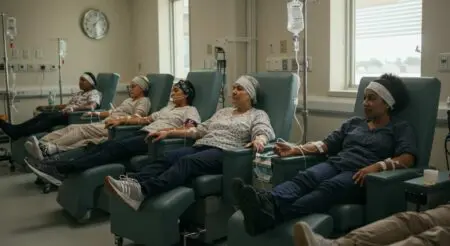

Resilience isn’t just about “toughing it out” when life throws you a curveball. It’s more than simply bouncing back from hardship—it’s about how you bend without breaking, how you adjust to change, and how you rebuild after setbacks. Think of resilience like a mental muscle: it gets stronger the more you use it, but just like physical muscles, it can weaken if neglected over time.
In youth, resilience often feels like a natural part of life. You fall and you get back up. You fail and you try again. But as we age, that elasticity—the ability to recover emotionally, mentally, and physically—can start to fade. Not because we’re weak, but because the challenges stack up and the energy to recover takes longer to summon. It’s also important to understand that resilience isn’t a fixed trait. It’s a dynamic skillset made up of emotional regulation, optimism, flexibility, and problem-solving. Every time you’ve faced Grief, job loss, illness, or disappointment, your resilience has either been strengthened or challenged. The question isn’t whether you’re resilient, but how you’ve used or built that resilience over the years—and what’s influencing it now.

The connection between resilience and overall Health is more profound than most people realize. Resilient people tend to experience lower levels of Depression and Anxiety, faster recovery from illness or surgery, and even a longer lifespan. It’s no coincidence—your mental toughness has a direct impact on your physical state. High resilience means you’re more likely to take proactive steps in maintaining your health. You Exercise, eat well, maintain social ties, and find meaning even during hard times. Low resilience, on the other hand, can lead to a vicious cycle: Stress leads to poor health habits, which then lead to more stress. Resilience also plays a big role in pain perception. Older adults who report higher resilience often describe Chronic Conditions as “manageable” rather than debilitating. This mindset shift can completely transform one’s experience of Aging. So yes, resilience is deeply tied to both mental Clarity and physical vitality—and losing it can make life feel heavier and harder.
Biological Changes That Affect Resilience
As you get older, your body starts to change in ways that can undermine your resilience. Hormone levels shift, your brain processes information differently, and your physical strength might decrease. These changes aren’t just cosmetics, they affect your mood, your energy, and even your sense of self.
For example, the brain’s hippocampus—responsible for memory and emotional regulation—shrinks with age. This can make it harder to manage stress and bounce back from setbacks. Neurotransmitters like dopamine and serotonin, which regulate mood and motivation, also decline. This chemical shift can cause feelings of fatigue, sadness, or apathy, all of which chip away at resilience. Additionally, the body becomes less efficient at repairing itself. Injuries take longer to heal, and illnesses might knock you down harder than before. These physical slowdowns can subtly impact your confidence. When you no longer feel physically strong or agile, it can feel like the mental sharpness goes with it. So, while aging is natural, it brings biological changes that influence how we deal with adversity. Understanding these shifts can help us take targeted action to support and even rebuild resilience.
Psychological Shifts with Age
Psychologically, aging can feel like walking a tightrope between acceptance and anxiety. Many people in later life start to question their purpose, grapple with regrets, or feel like they’re losing control over parts of their life. This internal shift can deeply affect resilience. One major factor is the accumulation of unresolved grief or emotional wounds. Maybe it’s the loss of a spouse, the estrangement of a child, or a dream that never came to fruition. Over time, these emotional burdens can stack up, making it harder to feel hopeful or optimistic.
Another subtle change is the fear of being a burden. This thought can lead to emotional withdrawal, reluctance to seek help, or even shame—none of which foster resilience. When you stop reaching out, you also stop reinforcing your own support network, which is essential for bouncing back from adversity.
Also, confidence can take a hit. If you’ve retired, lost a role in your Family, or faced age discrimination, you might feel less valuable or less capable. This mindset breeds helplessness rather than resilience. But the good news? These psychological shifts aren’t permanent. With awareness and effort, you can pivot your mental outlook and rediscover your inner strength.
Social Isolation and Reduced Support Systems
Let’s face it: one of the most silent but powerful resilience killers is social isolation. As we age, our social circles tend to shrink. Friends pass away, family members move on, and sometimes mobility or health challenges make it harder to get out and meet new people. The result? A growing sense of loneliness that can feel almost unbearable.
Humans are hardwired for connection. We draw emotional energy, perspective, and strength from others. When that connection fades, so does our ability to cope. Studies have shown that social isolation not only increases the risk of depression and anxiety but also reduces the ability to deal with life’s setbacks. Even casual social interactions—a neighbor waving, a chat with the cashier—can have surprising benefits for emotional health. They remind us that we’re still part of the world, still seen, still valued. Without those moments, resilience starts to erode quietly but steadily.
And let’s not ignore the role of Technology. Many older adults feel left behind by digital communication tools, which can deepen isolation. Feeling cut off from modern ways of connecting only adds another layer of challenge. The truth is that resilience thrives in connection—and rebuilding that network is key to regaining emotional stamina.
Resilience, like muscle tone, evolves over time. As we age, a few things subtly chip away at it:
Resilience is remarkably rebuildable. Mindfulness, reflection, and intentional habits can reawaken that inner elasticity. You’ve got the reflective tools and philosophical depth to not just bounce back but bounce forward—to take difficulty and transform it into deeper understanding.
You don’t need to sit cross-legged on a mountaintop to practice mindfulness. In fact, mindfulness is as simple as paying attention—really paying attention—to the present moment without judgment. It’s about learning to observe your thoughts and Emotions instead of being ruled by them. For older adults, mindfulness can be a game-changer. It helps you stay grounded when your body feels out of control or when life throws unexpected curveballs. Meditation, even for just 10 minutes a day, has been shown to reduce anxiety, improve focus, and enhance emotional regulation. The more you tune into your body and thoughts, the better you get at managing stress and reframing setbacks. Over time, you build the kind of calm, focused presence that forms the backbone of resilience.
Resilience isn’t just about surviving—it’s about finding joy and meaning in the face of life’s challenges. That’s where positive psychology comes in. This field focuses on what makes life worth living, and how to cultivate happiness, purpose, and well-being. One of the most powerful practices? Gratitude. Keeping a simple gratitude journal—where you write down three things you’re thankful for each day—can shift your entire mindset. Instead of dwelling on what’s gone or what’s wrong, you start to focus on what remains and what’s still possible. By focusing on what’s good, strong, and hopeful, you don’t just feel better, you become more resilient. It’s not about ignoring problems; it’s about seeing the full picture and knowing you have what it takes to handle it.
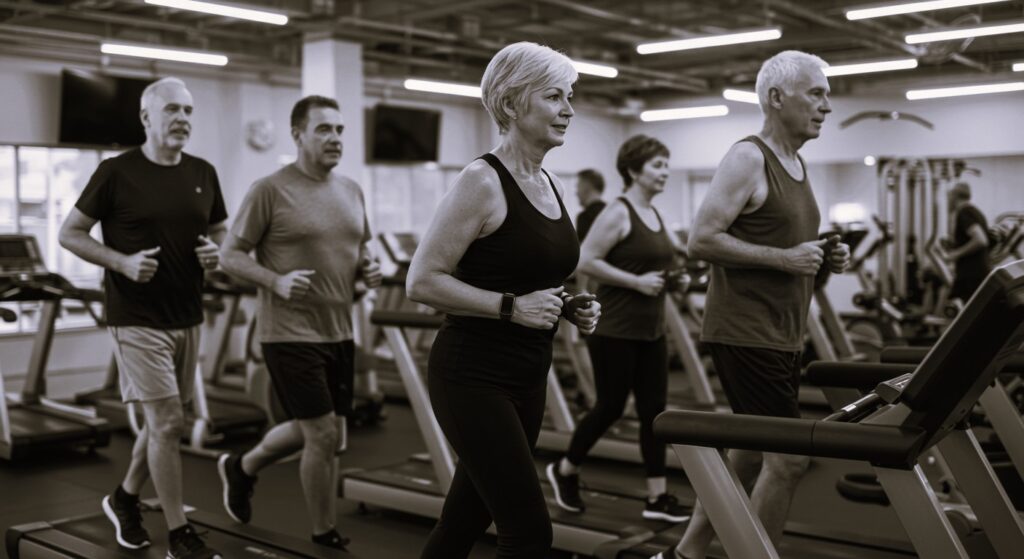
Resilience isn’t reserved for the young or the physically strong. It’s not about grit, brute strength, or pretending everything’s fine. True resilience is quiet, steady, and deeply human. It’s about adapting, recovering, and continuing—sometimes slowly, sometimes tearfully, but always forward.
As you age, you may feel your resilience slipping. You might tire more easily, feel more emotional, or struggle to see the point in fighting back. But know this: resilience can be renewed. It can be nourished through purpose, movement, connection, reflection, and Love. You are not a shadow of who you once were, you are the sum of everything you’ve overcome. And that makes you stronger than you know. With the right habits and mindset, you can not only regain your resilience, but you can also deepen it in ways you never imagined.