Stress—it’s that ever-present, nagging voice in our heads when life throws curveballs. Whether you’re navigating the chaos of early adulthood or cruising into your golden years, stress is something that doesn’t completely disappear. Do we actually get better at handling stress as we ageor does it just change shape, lurking under the surface as responsibilities shift from raising kids to worrying about Health and Retirement? Aging isn’t just about gray hair and joint aches. As it turns out, the mind evolves too. With each passing year, people tend to build emotional resilience, gain new perspectives, and develop strategies to deal with life’s pressures. Many older adults claim they don’t let things get to them like they used to. But is that Wisdom or just selective memory?

At its core, stress is a natural biological reaction to challenges or threats. It’s your body going into “fight or flight” mode, pumping out adrenaline and cortisol to help you deal with whatever life throws at you.
There are four main types of stress:
When stress becomes chronic, it can mess with everything—from your Sleep and mood to your immune system and digestion. But while younger people might have a lot of acute stress (like exams and job interviews), older adults often face chronic stressors like health concerns or Grief. The trick is learning how to manage it—and that’s where age might just be your secret weapon.
You know those moments when you’re 25 and feel like the world is ending over a bad breakup? Fast forward to 65, and that same scenario might get a shrug and a laugh. That’s emotional regulation in action, and the brain plays a big role in this transformation. As we age, our prefrontal cortex, the part of the brain responsible for decision-making and emotional control, becomes more efficient in regulating Emotions—even if other cognitive functions slow down. Older adults also show decreased activity in the amygdala, the brain’s fear center, when reacting to negative stimuli. Translation? Bad news doesn’t hit quite as hard. Add to that decades of lived experience, and you get a person who’s seen more, felt more, and learned to put problems into perspective. What once felt like a crisis now looks like a hiccup. Also, older adults are more emotionally intelligent—they can understand, and work through emotions in healthier ways. It’s not magic. It’s just years of learning what works and what doesn’t.
When you’re young, every problem feels like the end of the world. But as you age, your mindset shifts. You stop sweating the small stuff and realize that most of what used to bother you doesn’t even matter in the grand scheme of things. That, right there, is emotional maturity, and it’s one of the biggest reasons older adults often handle stress better.
Older adults have the advantage of perspective. After decades of navigating Relationships, careers, setbacks, and losses, they’ve developed a kind of emotional armor. It’s not that they don’t feel stress, they absolutely do—but they’ve learned how to put it in its place. A flat tire isn’t a catastrophe. Disagreements don’t become a war. They’ve been through enough to know: “This too shall pass.” Plus, as people age, they tend to let go of perfectionism. There’s less pressure to prove themselves to the world. This emotional freedom makes room for healthier responses to stress. Instead of panicking, they pause. Instead of overthinking, they prioritize. That internal calm? It’s the result of years of practice.
And don’t forget the role of values. Older adults tend to focus more on what truly matters—health, Family, peace of mind—rather than chasing external achievements. That shift alone removes a massive chunk of self-imposed stress that plagues younger people trying to “make it.”
Aging isn’t all wisdom and sunset walks. It comes with its own unique set of stressors:
These challenges can sometimes undo the emotional benefits of aging—especially if the individual lacks support systems or Mental Health resources. That’s why continued attention to mental wellness, Therapy, and open conversations about aging-related fears are essential. Handling stress better with age isn’t guaranteed—it’s a skill that must be maintained and nurtured, even in the face of tough realities.
You can’t talk about stress without talking about the Mind-Body Connection. As we age, our bodies change, and with those changes come new stressors—aches, chronic conditions, reduced mobility. Physical health directly impacts how well we manage stress. Regular Exercise, even something as simple as walking or swimming, can significantly lower stress hormones like cortisol. It boosts endorphins (your brain’s natural mood lifters), improves sleep, and enhances self-esteem—all crucial for stress resilience.
And let’s not forget about nutrition. A well-balanced Diet rich in antioxidants, omega-3s, and anti-inflammatory foods helps reduce the physical toll stress takes on the body. Older adults who eat clean, stay hydrated, and limit alcohol and processed foods tend to report less anxiety and emotional volatility. Then there’s sleep—often elusive in later life. Quality sleep is a cornerstone of stress management. Insufficient rest amplifies cortisol, reduces emotional tolerance, and makes even minor issues feel overwhelming. Creating a healthy bedtime routine, avoiding screens late at night, and managing sleep disorders can make a massive difference. The bottom line? Staying physically healthy is like building a strong defense system against stress. Your body and brain are in constant dialogue. Take care of one, and the other follows.
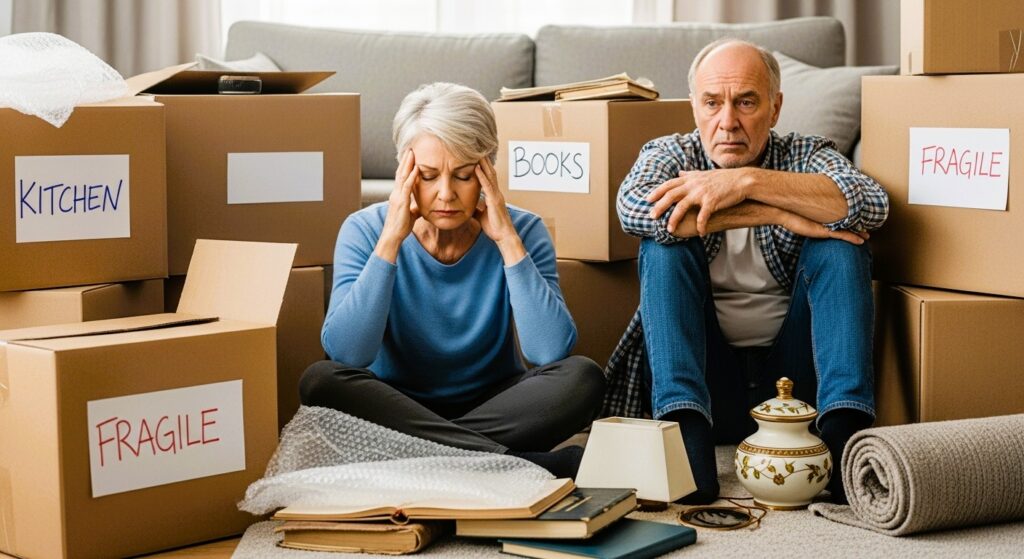
Aging brings with it a unique mix of experience, perspective, emotional intelligence, and neurological changes that, for many, leads to better stress management. We become more selective in what we stress over, more skilled in how we cope, and more focused on what truly matters. But it’s not a one-size-fits-all journey. While many older adults thrive emotionally, others face real challenges that can amplify stress—like illness, grief, or isolation. The key is continued Growth, connection, and care.
If you’re young and struggling with stress, take heart: the older you get, the better equipped you may become. And if you’re older and still overwhelmed, know that it’s never too late to build resilience, strengthen your mindset, and find peace.