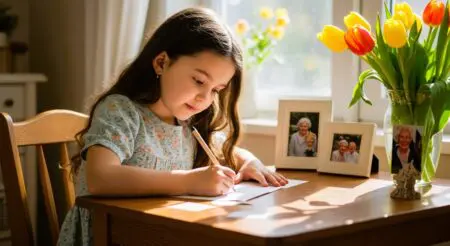

As we move through the various stages of life, our perspectives, priorities, and passions tend to evolve. One notable transformation is how we approach giving—both of our time and resources. Philanthropy, often associated with large donations or grand gestures, takes on a deeply personal and meaningful form as we age. It becomes less about recognition and more about impact, Legacy, and connection.
So, what is philanthropy as we age? Simply put, it’s the act of giving—Money, time, Wisdom, or kindness—in a way that reflects the experiences and values we’ve accumulated over a lifetime. It’s about recognizing that we have something valuable to offer, even beyond our working years. Whether that’s a financial contribution to a beloved cause, Volunteering at a local nonprofit, or sharing hard-earned life lessons with younger generations, philanthropy becomes an empowering way to stay engaged and purposeful. This phase of life often brings a renewed sense of identity and an opportunity to make a lasting difference. It’s not about the size of the gift, but the heart behind it. Philanthropy in later years becomes a bridge between who we were, who we are, and the legacy we wish to leave behind.
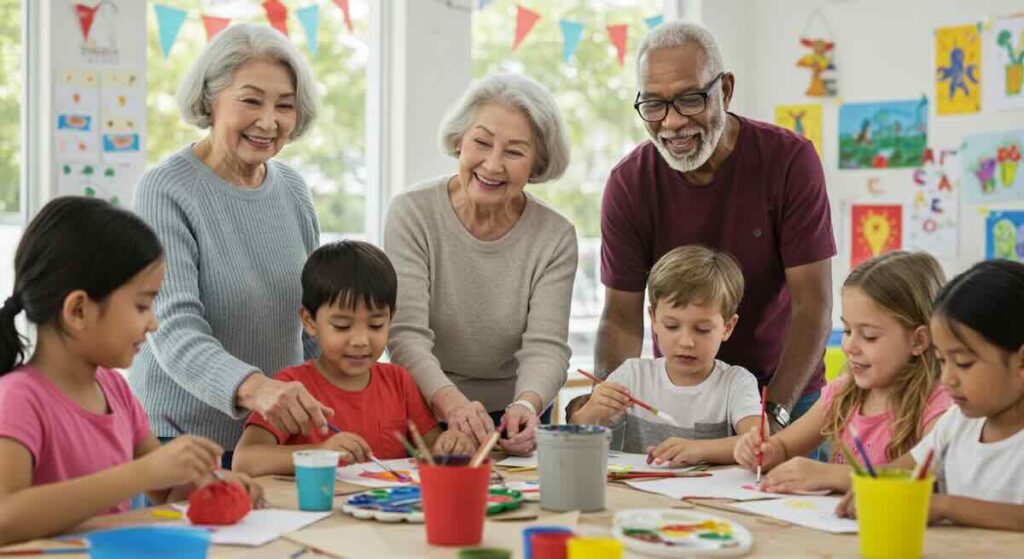
When most people hear the word “philanthropy,” they picture billionaires writing massive checks or funding institutions with their names engraved on buildings. But true philanthropy is so much broader—and more accessible—than that. At its core, philanthropy is about the Love of humanity. It’s the desire to promote the welfare of others, and that can take countless forms. For older adults, philanthropy may mean baking cookies for a neighbor in need, helping to organize a community event, mentoring a young professional, or simply listening to someone who’s going through a tough time. These small, heartfelt actions often carry more significance than the biggest donation because they come from lived experience and genuine care.
As we age, our understanding of what matters deepens. Giving becomes less about prestige and more about authentic contribution. We begin to realize that our stories, skills, and presence can be just as powerful as money. In fact, many older adults find that their most fulfilling philanthropic acts involve their time and attention rather than their wallets. So, while financial giving is a vital piece of the puzzle, Aging invites us to broaden the scope of what we consider philanthropic. It reminds us that our entire life can be a gift to others, especially when we lead with empathy and intention.
Growing older often brings Clarity. With decades of experiences behind us—both triumphs and hardships—we begin to see the bigger picture. This expanded perspective naturally sparks a desire to give back. There’s an urge to contribute to something beyond ourselves, to repay the kindnesses we’ve received, or to help make the world a little better for those who come after us.
There’s also a psychological shift. We may start to measure success less by career milestones or material achievements and more by the impact we’ve had on people’s lives. This reorientation fuels a deeper motivation to serve, mentor, donate, and advocate. Moreover, aging often comes with more time and freedom. Retirement or semi-retirement frees up hours once consumed by work and Family obligations. That availability, combined with a desire to stay active and connected, makes philanthropy a natural fit.
In short, aging doesn’t diminish our ability to give—it amplifies it. With clearer values, more life wisdom, and a richer understanding of what truly matters, we’re uniquely equipped to make meaningful contributions in our golden years.
Ever notice how helping someone else tends to boost your mood? It’s not just a coincidence, it’s science. Research shows that altruistic behavior, especially in later life, has a significant positive impact on Mental Health. Seniors who regularly engage in philanthropic acts report lower rates of Depression, less Anxiety, and a greater sense of overall well-being. When we give—whether that’s our time, money, or energy—our brains release feel-good chemicals like dopamine and endorphins. These natural mood lifters can combat loneliness, reduce Stress, and even help improve Sleep. For older adults, who may face increased isolation, this emotional payoff is especially valuable.
Philanthropy also creates a sense of structure and purpose. Having a reason to get up in the morning, a role to play in the community, or a goal to pursue contributes to a stronger sense of identity and vitality. This is particularly important in post-retirement life, where a lack of direction can lead to stagnation or emotional decline. In a way, giving is like emotional Exercise—it keeps your heart open, your mind engaged, and your spirit energized. And just like physical Health, emotional health is something we need to actively nurture as we age.
Imagine looking back on your life not just with nostalgia, but with pride in how you’ve used your time and resources to uplift others. That’s the essence of philanthropic purpose in later life. It enhances your sense of fulfillment, knowing that your contributions have created ripples of good in the world.
Seniors involved in regular philanthropic efforts, whether volunteering, donating, or mentoring—often report higher levels of life satisfaction. They feel more connected, more appreciated, and more vital to their communities. This sense of belonging and contribution can even help combat ageism by proving that aging is not a decline but a stage of powerful potential. Philanthropy becomes a way to anchor meaning in one’s life. It connects past values with present action and future impact. Whether you’re funding a scholarship, helping at a soup kitchen, or simply making time for a neighbor, you’re reinforcing your identity as someone who matters—and that’s a priceless source of joy and self-worth.
One of the most beautiful aspects of aging is the opportunity to influence the generations that follow. Family philanthropy offers a unique avenue to pass on not just wealth, but values. By involving children and grandchildren in charitable activities, older adults can foster a culture of giving that transcends generations. Imagine sitting down with your grandchildren to choose a charity to support together. Or planning a family volunteer day at a local shelter. These shared experiences create powerful teaching moments. Kids learn by example, and when they see generosity in action, it plants seeds that can grow into lifelong habits of kindness and civic responsibility.
Philanthropy also helps bridge generational gaps. It creates a shared purpose that unites family members of all ages. Discussing causes, deciding where to donate, or planning community service projects as a family builds trust, respect, and understanding. It transforms giving from a solitary act into a legacy-building experience. Older adults can also use storytelling as a tool—sharing the “why” behind their philanthropic choices, recounting meaningful life lessons, or honoring ancestors through charitable acts. This emotional connection can deeply inspire younger relatives and keep the spirit of giving alive long after the elders are gone.
Legacy isn’t just about leaving behind wealth—it’s about passing on wisdom, compassion, and purpose. When philanthropy becomes a family tradition, it creates a ripple effect that lasts for generations. Older adults can initiate this tradition by establishing family funds, foundations, or giving plans that involve their descendants. A family-giving legacy doesn’t have to be formal or complex. It might be as simple as setting aside money each holiday season for family donations or encouraging each family member to choose a cause they care about. The important part is consistency and collaboration.
Legacy planning can also include formal tools like donor-advised funds, charitable trusts, or endowments. These vehicles allow families to pool resources and make strategic, long-term contributions. Seniors can lead this process by setting up the structure, then empowering younger members to take part in decision-making and stewardship. When done intentionally, family philanthropy becomes more than just a nice gesture—it becomes a living value system that unites generations around the shared mission of making a difference.
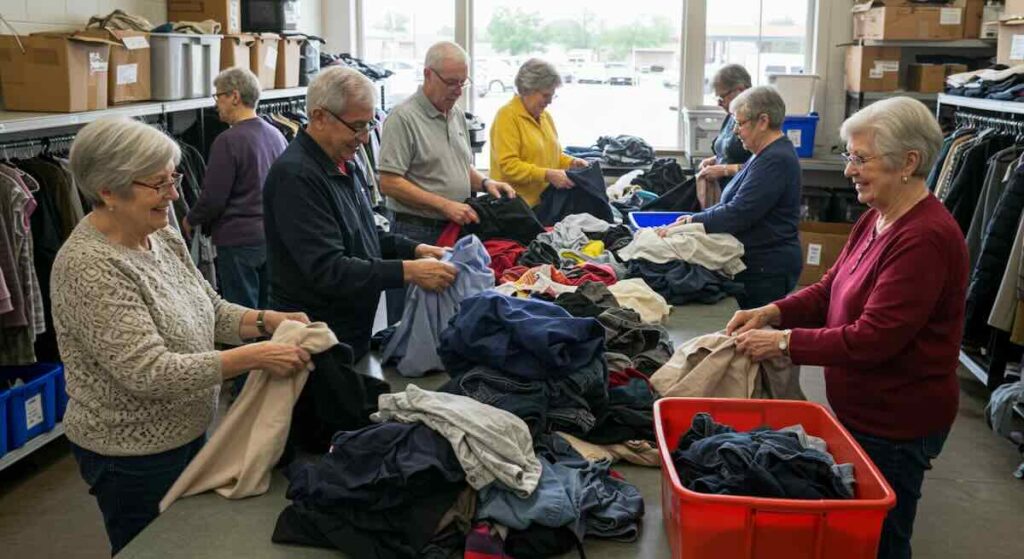
Philanthropy as we age isn’t just about charity—it’s about legacy, purpose, and love. It’s the art of turning your life experience into something that enriches others. Whether through time, money, mentorship, or wisdom, every act of giving adds value—not only to the recipient, but to the giver as well.
As older adults, we hold a unique power: the power of perspective, compassion, and commitment. We have seen life’s highs and lows. We know what matters. And now, more than ever, we have the chance to use that insight to shape the world around us. So, whether you’re writing a check, planting a tree, sharing your story, or simply listening with an open heart—know that you’re making a difference. Because true philanthropy isn’t about how much you give. It’s about how deeply you care.