

Life balance isn’t about splitting your day into perfect slices of work, play, and rest. It’s about alignment—living in a way where your actions match your values, where you’re giving time to what’s important, and where no single area of life overwhelms the others. Think of life balance like a well-tuned orchestra. Each instrument (career, Health, Relationships) has its part, and when played together harmoniously, the result is a beautiful symphony.
But it doesn’t mean every instrument plays equally loud or long. Sometimes your career might need more of your focus. Other times, your Family or health might take center stage. Balance is fluid. It’s about shifting your energy based on current needs without losing sight of the big picture.
People often mistake balance for perfection, but it’s really about awareness and intention. It’s recognizing when something feels off and knowing how to recalibrate. That might mean cutting back on overtime to spend quality time with your kids or setting aside your phone to enjoy a meal without distractions. Life balance is about living deliberately, not by default.
Why does balance matter so much? Because without it, we burn out, Stress out, and eventually tap out. Life without balance can feel like you’re always running on empty—overwhelmed, overworked, and under fulfilled. But when you achieve a sense of balance, you operate from a place of peace, purpose, and productivity.
A balanced life fosters better health, deeper relationships, increased focus, and a stronger sense of self. It empowers you to respond to life rather than react to it. You’re not just putting out fires; you’re intentionally creating a life that works for you.
And the ripple effects are huge. When you’re balanced, you’re more present with your loved ones, more efficient at work, and more compassionate with yourself. You show up as the best version of you, not the tired, snappy, anxious version trying to keep up with unrealistic demands.
Balance is not about having every single thing in your life in perfect order at all times. That’s not only unrealistic, but it’s also exhausting. Life balance doesn’t mean your home is always spotless, your inbox is always zeroed out, or your kids never throw a tantrum. Instead, it means you’re okay with a little chaos. You’ve accepted that sometimes, dinner will be takeout, and that’s fine. That sometimes you’ll skip a workout because Sleep matters more. It’s about recognizing that striving for perfection in every area is a one-way ticket to Burnout. What matters is consistency, not perfection. It’s okay if things aren’t perfect every day—as long as you’re making decisions that serve your well-being and values more often than not. That’s real balance.
Another misconception? That balance means spending equal time in all areas of life. Nope. Balance isn’t a 50/50 split. It’s about what works for you at any given season. Let’s say you’re starting a new job. Naturally, work might demand more time and energy. That doesn’t mean your life is off balance. Not if you’re still finding moments to relax, connect with loved ones, and care for your health. The key is not how much time you spend, but how intentional you are with your time. If you’re fully present in each area when it matters, that’s balance. It’s quality over quantity. You can spend one hour with your family and have it mean more than three distracted ones.
Relationships are the heartbeat of a balanced life. Whether it’s your partner, friends, or family, having strong social ties is essential for mental and emotional health. But let’s be honest—it’s easy to let relationships slip when life gets busy. Suddenly, you’re canceling dinner plans, replying to texts with “Let’s catch up soon,” and feeling more isolated than ever.
To bring balance back into your social life, start by being intentional. You don’t have to attend every event or meet every friend weekly. But scheduling regular check-ins, sending thoughtful messages, or having a monthly hangout can go a long way. It’s about quality connection over quantity. Remember, the right relationships fuel you. They bring joy, support, and meaning. But toxic ones? They drain you. Balance also means protecting your energy by setting boundaries—even with loved ones. Saying no doesn’t mean you Love less; it means you love yourself, too.
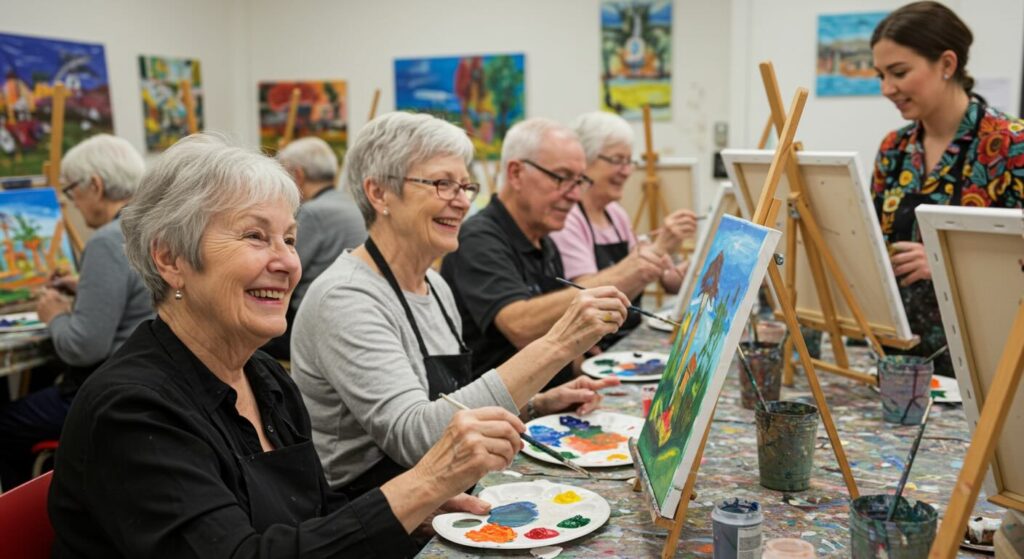
Fun isn’t a luxury, it’s a necessity. Leisure and hobbies are often the first to go when life gets hectic, but they’re crucial for balance. They let your brain rest, your creativity soar, and your joy expands. Maybe you love painting, Gardening, hiking, or binge-watching documentaries. Whatever lights you up—do more of it. You don’t need to monetize your hobby. Not everything has to be productive. Play for the sake of playing.
Scheduling downtime is just as important as scheduling meetings. It’s how you recharge, reconnect with yourself, and avoid becoming a robot stuck on autopilot. So go ahead—dance in your kitchen, take that pottery class, lose track of time in a book. Your soul will thank you.
Ever feel like you’re running on fumes, snapping at people for no reason, or dreading the day before it even starts? That’s burnout—and it’s a neon sign that something’s off balance. Burnout doesn’t just happen overnight. It creeps in slowly: you say yes too often, skip self-care, and keep pushing through exhaustion. Eventually, your body and Emotions hit a wall. You feel tired, unmotivated, irritable, and maybe even hopeless.
Balance means catching burnout before it spirals. That starts with listening to your body. Do you wake up already tired? Struggle to focus? Feel emotionally numb? These are warning lights. Don’t wait for a breakdown to make changes. Rest before you’re exhausted. Take breaks before you’re overwhelmed. Rest isn’t a reward, it’s a requirement.
When your life is out of balance, relationships often suffer first. Maybe you’re working late and missing family dinners. Maybe stress makes you snappy with your partner or emotionally distant from friends. Over time, these small rifts can grow into deep disconnects. Relationship strain is more than arguments—it’s the slow fade of Intimacy, the missed check-ins, the unspoken tension. When you’re constantly preoccupied with one area of life, like work or health struggles, you unintentionally neglect your relationships.
Restoring balance means being emotionally available. That doesn’t require grand gestures, just consistent presence. A five-minute chat, a heartfelt text, or a shared laugh can rekindle connection. It also means open communication. Let people know where you are mentally. Ask how they’re doing. Rebuild bridges with empathy. Relationships thrive when you nurture them—even with small but steady doses of time, care, and love.
Waking up uninspired is one of the biggest red flags that your life is out of balance. You’re going through the motions, stuck in routines that no longer spark joy or meaning. That’s not laziness, it’s misalignment. When your actions don’t reflect your passions or values, you feel like you’re drifting. Life becomes a to-do list rather than a journey you’re excited to be on. You lose touch with your “why.”
Bringing back balance means realigning with purpose. What lights you up? What matters most to you? It could be making a difference, being creative, helping others, or building something meaningful. Start small. Reintroduce activities that inspire you. Reflect on your goals. Revisit your values. Purpose doesn’t have to be grand; it just must be authentic. When you’re living on purpose, motivation follows naturally.

When you’re fully present, life feels richer. Conversations are deeper. Meals taste better. Even mundane tasks like doing the dishes become meditative. Presence is the antidote to autopilot. It helps you catch joy in small moments—a laugh with your kid, the warmth of sunlight, the satisfaction of finishing a task. And when you’re present, you make better choices. You’re less reactive, more intentional.
Want better balance? Start by putting your phone down. Make eye contact. Listen fully. Slow down. Life isn’t something to rush through, it’s something to experience deeply. Finding balance in life isn’t about achieving a perfect state, it’s about staying in rhythm with your values, needs, and goals. It’s recognizing when things feel off and having the tools to recalibrate. It’s not static. It’s not a checklist. It’s a Lifestyle of self-awareness, intentional living, and compassionate flexibility. No one gets it right all the time. But with mindful effort, you can create a life that feels full, centered, and deeply meaningful. One step, one breath, one decision at a time.