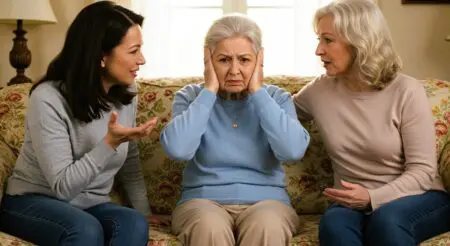
This question echoes silently in my mind knowing that I have lived through the rock-and-roll era, watched the moon landing, and survived the challenges of multiple economic downturns: Why don’t I feel joy anymore? I feel I am not alone wrestling with this issue. That subtle disconnection from joy—something that once felt like second nature—has become an emotional mystery for me.
Let’s clear the air first—joy and happiness aren’t the same, though they often get lumped together. Happiness is external and fleeting; it’s tied to circumstances. Think of it like the warm buzz after getting a compliment or the grin that follows your favorite dessert. Joy, however, is deeper. It’s internal, more spiritual than situational. Joy can sit quietly within you even during hardship—it’s not about constant smiles but about sustained contentment. As we age, we often confuse the absence of excitement for the absence of joy. But real joy doesn’t depend on flashy moments; it stems from meaning, connection, and inner peace. Us Baby Boomers might feel less happy because life’s thrilling highs are fewer. But joy? That’s still reachable, even if it’s buried beneath layers of Stress, loss, or change.
As we grow older, our emotional needs change. Where we once chased achievements or material success, we now crave purpose, peace, and connection. That’s where joy shines. It becomes a steady, calming presence that’s more valuable than ever in later life. But when joy disappears, it can leave behind a dull void, an emotional gray area that’s hard to explain. For us baby boomers, rediscovering joy means looking inward, reflecting on what truly brings fulfillment—not just Entertainment or distraction. Joy is our compass during Retirement, Health changes, and empty nests. And though it might feel out of reach, it’s not gone, it may just need rediscovering.

We were raised with structure and discipline, often by parents shaped by war and scarcity. But our generation pushed boundaries, redefined norms, and embraced Innovation living through both upheaval and optimism. That rich historical backdrop made us resilient but also deeply connected to a world that doesn’t quite resemble the one around us today. So, when we feel like we’ve lost our joy, part of it may be a sense of emotional dislocation. The world has changed—and quickly. The values we once lived by now seem less visible. It’s easy to feel like the present has moved on without us. That cultural disconnect can slowly chip away at a person’s sense of belonging—and, ultimately, joy.
Think about the pace of our earlier years: careers, raising families, building homes, achieving goals. For decades, we had momentum. Now, perhaps for the first time, that rhythm has slowed—or stopped. Retirement, though liberating for some, can feel like an emotional cliff for others. The identity once tied to work, Parenting, or productivity begins to fade. This psychological transition isn’t just logistical, it’s deeply emotional. Without clear goals or daily structures, many boomers feel adrift. Even if you’re surrounded by comforts, you might wonder: What now? What’s my purpose? When roles disappear, so can the emotional rewards they provided. That change can trigger a quiet sadness or a creeping numbness. And unless we’re mindful about replacing old sources of joy with new ones, that emotional void tends to grow.
Retirement sounds like paradise: no alarm clocks, no meetings, and no deadlines. But the flip side? No structure, no sense of contribution, and—most critically—no clear purpose. That lack of daily routine can be disorienting. For decades, our day-to-day gave us meaning. We were needed. Valued. Important. Now, that validation is gone. You may wake up with no plans and go to bed feeling unaccomplished. This unstructured time, if not filled with meaningful activities, can quickly morph into apathy or even mild Depression. It’s not about being busy for the sake of it, it’s about intentional engagement. Humans, at any age, need goals. When you stop building or contributing, your emotional muscle for joy starts to shrink. Without a new routine or mission, even the most relaxing life can start to feel empty.
Loneliness is a silent epidemic among older adults. Many baby boomers live alone—either because of Divorce, the death of a partner, or children living far away. Social networks that were once vibrant—colleagues, neighbors, church groups—may have thinned out over time. Loneliness isn’t just sadness; it’s a health risk. It’s been linked to higher rates of Heart Disease, cognitive decline, and depression. The worst part? It sneaks up gradually. You might go days without meaningful conversation and not even realize how much it’s affecting your mood. The loss of companionship chips away at joy slowly but surely. Without laughter, touch, or shared experiences, our emotional resilience weakens. And it becomes increasingly difficult to pull ourselves out of that emotional pit without support.
Purpose isn’t just a nice-to-have—it’s essential for joy. And when the hustle of work and parenting fades, many baby boomers find themselves staring at an emotional blank slate Your purpose didn’t retire when you did. It has just evolved. Think about the things that once gave your life meaning. Was it helping others? Solving problems? Teaching, leading, building, or nurturing? Those passions don’t disappear—they just need new outlets. Purpose doesn’t have to mean a job. It could be mentoring younger people, starting a garden, writing your memoir, or Volunteering at a local shelter.
When your days are driven by intention rather than obligation, something beautiful happens and joy starts to return. You feel useful again. Needed. Alive. It’s not about staying busy—it’s about doing things that align with who you are at your core. And that internal alignment is where lasting joy is born.
Humans are wired for connection. But as we age, our social circles naturally shrink. People move, retire, pass away. Without regular social interaction, joy becomes harder to access. Loneliness quietly erodes your emotional resilience. But here’s the hopeful part: it’s never too late to make new friends. Community centers, faith groups, book clubs, and volunteer organizations are full of people just like you—people looking for connection. It may feel awkward at first, but even small social interactions can dramatically boost mood and joy.
Also, don’t underestimate the power of rekindling old Relationships. Reach out to that college friend you lost touch with. Call your cousin. Text your neighbor. Every connection adds a brick to the foundation of joy. And when you surround yourself with others, especially those who uplift you, your emotional world begins to bloom again.
Let’s face it—Aging isn’t easy. But the mindset you bring to it makes all the difference. A positive outlook doesn’t mean pretending everything’s perfect. It means choosing to focus on what’s still good, beautiful, and possible in your life. Gratitude is a huge part of this. Start noticing the small things—a warm cup of tea, a kind word, a sunny morning. These micro-moments of beauty often go unnoticed but are powerful sources of joy. It’s like emotional Gardening: the more you water joy, the more it grows. Also, be kind to yourself. Let go of past regrets, forgive yourself for mistakes, and treat your inner world with compassion. Self-Love isn’t a cliché—it’s a necessity. Because joy can’t grow in a garden of self-criticism. But it flourishes in self-acceptance.
Joy often lives in discovery—and rediscovery. Remember the hobbies and passions you set aside for work, Family, or responsibility? This phase of life is your chance to revisit them, or better yet, try something entirely new. Whether it’s painting, woodworking, playing music, or birdwatching, engaging in creative or skill-based hobbies reignites your brain’s pleasure centers.
Learning also sparks joy. Take a class, learn a language, try a new recipe, or dive into history. Libraries, community colleges, and online platforms offer a world of knowledge right at your fingertips—often at low or no cost. It’s never too late to become a student of life again.
And don’t underestimate adventure. That doesn’t have to mean skydiving. It can be as simple as exploring a nearby town, joining a nature hike, or even starting a new relationship. Every time you stretch your comfort zone, joy is there, waiting on the other side

Joy doesn’t belong to any one age. It’s not reserved for the young, the fit, or the busy. It belongs to anyone willing to seek it, nourish it, and reclaim it—even after life has changed, even after loss, even in the quieter years.
If you’re a baby boomer asking yourself why joy feels out of reach, know this: you’re not broken. You’re evolving. And like any major transition in life, this stage requires intention, reflection, and yes—courage. Start small. Rebuild routines. Reignite passions. Seek support. Surround yourself with connection, and above all, give yourself grace. The joy you’re looking for isn’t lost, it’s simply waiting for you to come back home to it.