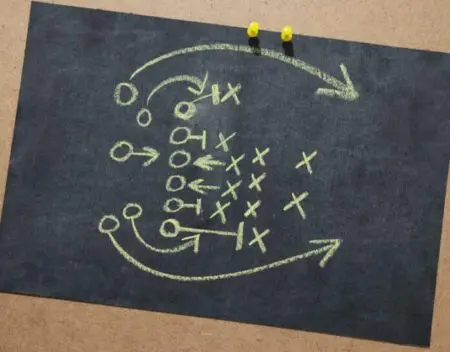


For me, 2025 will go down as the year of the Tariff. One of the key foundations of President Trump’s economic and foreign policy approach, tariffs have had a global impact. This article is not to advocate for trade restrictions one way or the other – I want to focus on what impact they have had on the business process and our use of time. Trying to navigate tariff policy has shown me that intentional slowness can make you move faster with more decisiveness.
After Liberation Day, we met multiple times a week trying to determine a prudent course of action to meet the financial needs of the company while not sacrificing Relationships with current and prospective clients. Each day created new challenges and adjustments to the strategy. While everyone moved with a sense of urgency and the pace was frantic, we seemed to also be slowing down. Clarity created confidence and purpose. Decision making became proactive and less reactive. When it came down to implementing the plan, we moved with speed and a clear motive.
The great news is we don’t have to wait for tariffs to move into intentional slowness. Maintaining a relaxed attitude gives clarity. Going deeper reduces repetition or rework. Protecting yourself from wasting time lets you see clearly. Being deliberate prevents you from passing by opportunities. Let’s slow down and look at each one.
One of the key aspects of the tariff work revolved around maintaining a sense of urgency. However, pressure can build and the desire to act overrides a solid process. Many we seem to be ready to pull the trigger, only to pause and ensure we were ready to go. That’s slowing down Gave us time to think before we acted. We minimize the false starts and moved forward.
I am a big fan of Cal Newport’s book Deep Work. His approach that requires focused, undistracted time to tackle cognitively demanding tasks, was something we unintentionally found ourselves doing while managing through the tariff challenges. Slowing down created periods of deep thinking, building quality into every effort and decision.
Protecting Yourself from Time Black Holes.
I’ve written about this before, but when rushing, people fall into what I call Black Hole Time-Wasting—multitasking, distractions, context switching, and chasing every notification. Slowing down helps you spot these traps in real time. We continue to try to challenge what actions we were taking for tariffs were leading us to an event horizon that solved our problems
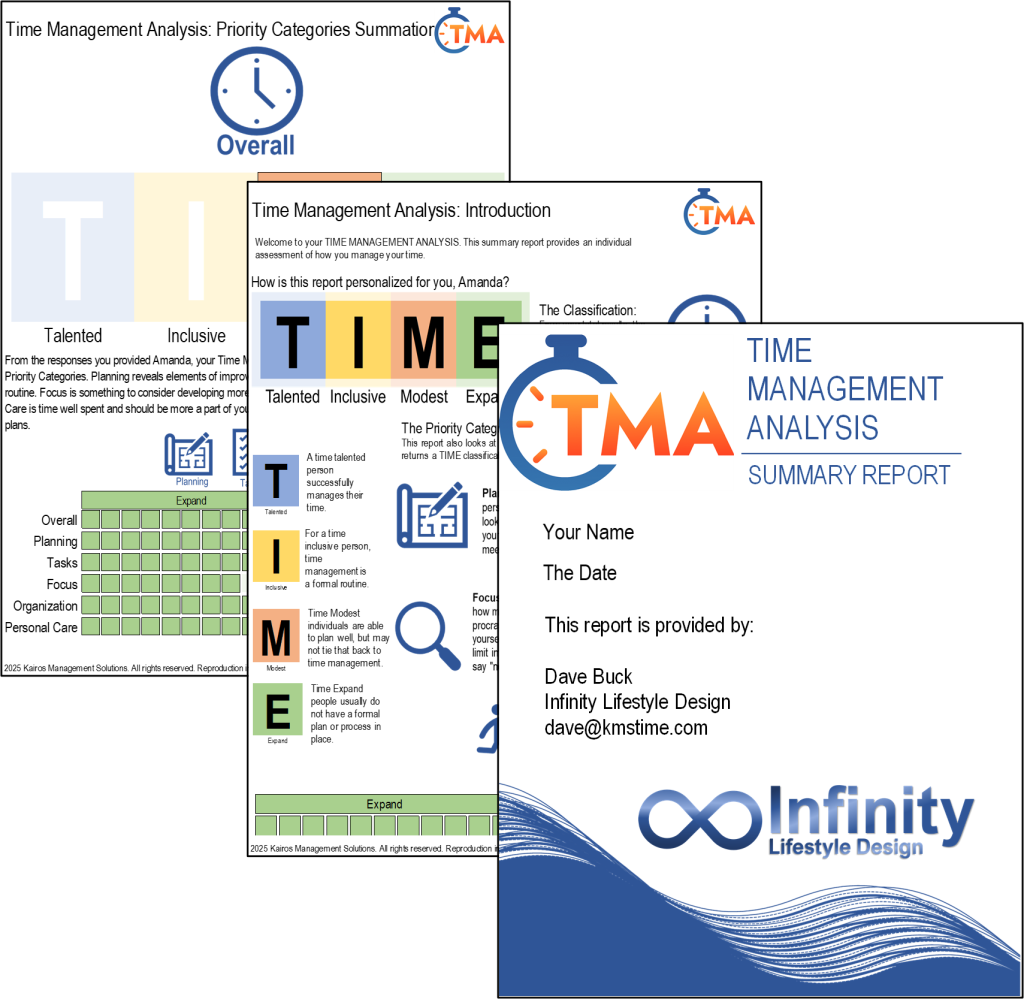
Take the TMA summary report and find out!
Tariff discussions involved a lot of cross functional team members who needed their attention to be focused at specific times. We needed to make the time count. Therefore, Many of us were intentional on blocking off specific times at other parts in our calendar to be able to ensure that when tariff time came, we were ready to be there and be engaged. By reducing nonessential commitments, I was able to create for intentional work, active listening, and being fully present.
Not knowing how long the challenges of tariffs were going to last, I began to develop an attitude that this was going to be an inherent part of my job. Operating in constant overdrive was not going to be a sustainable position. Operating at a frantic pace all the time brings on decision fatigue, Burnout, and a reduction in productivity. By learning to deliberately slow down you teach yourself to build a more sustainable rhythm – one that will then allow for reflection, recalibration, and even recovery.
I am certainly looking forward to some predictability when it comes to the fluctuations in goods and services imported from other countries. Yet, I have been taught and reminded that being deliberate sometimes is better than being fast. You’ll reach the destination quicker and with a greater sense of satisfaction.
If this idea of intentional slowness resonates, the next best step is understanding where your time is actually going. The Time Management Analysis (TMA) gives you a clear snapshot of how well you protect your focus, avoid time traps, and align your daily actions with what matters most. Most people discover opportunities they couldn’t see on their own — and small adjustments that create meaningful time gains. Take the TMA and get the clarity you need to move faster with purpose.
David Buck is the author of the book The Time-Optimized Life, coauthor of The Retirement Collective, and owner of Kairos (Time) Management Solutions, LLC. Learn how to apply the concepts of proactively planning and using your time. Take the Time Management Analysis (TMA), the Retirement Time Analysis (RTA), to help bring more quality time into your life.
The post Intentional Slowness Makes You Faster first appeared on Infinity Lifestyle Design.