
The pastor was in the middle of his sermon preaching on John 14 when he said, “Be a model of trust, not confusion.” That simple statement stayed with me long after the service ended. It also reminded me of something a former boss and mentor used to say whenever projects started slipping: “You’ve got to follow up on people’s follow up.”
The older I get, the more I realize he wasn’t simply talking about project management. He was talking about trust.
Every day we make commitments. We promise to send a proposal, return a phone call, complete a project, or provide an answer by a certain date. Yet deadlines quietly come and go. Someone eventually has to check back, wondering whether the commitment was forgotten or simply delayed.
I know because I’ve been on both sides of that conversation.
There are days when I become frustrated because I’m chasing someone else’s commitment. Then, almost inevitably, someone reminds me that I haven’t delivered something I promised. As someone who writes and speaks about time management, those moments are humbling.
They also raise an important question.
Would the people around you describe you as trustworthy with their time?
Time trustworthiness isn’t about productivity. It is about becoming someone others can confidently build their schedules around.
Trust is built through consistent habits. Discover whether your planning, execution, and follow through are helping others confidently depend on you. Learn more through the Time Management Analysis (TMA)
Trust begins long before the work starts. It begins the moment you say yes.
The problem is rarely effort. It is overcommitment.
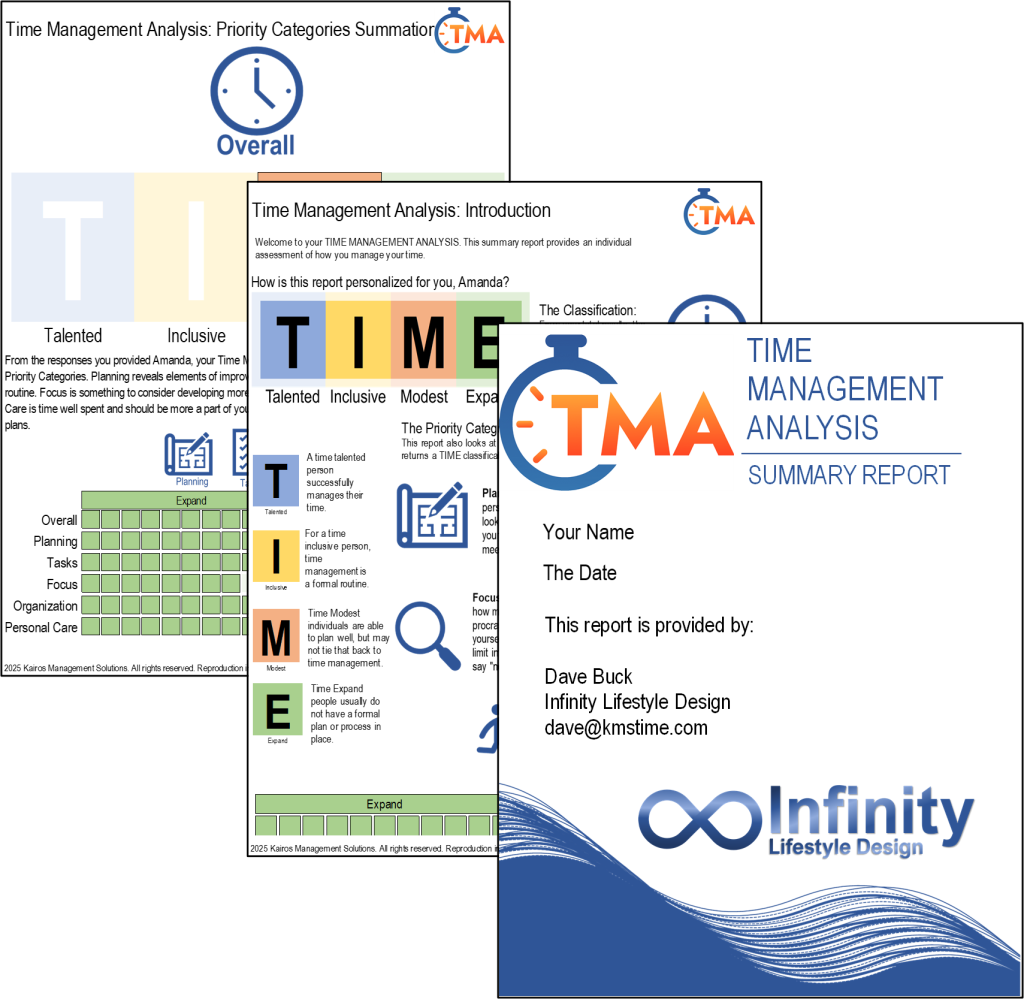
The Time Management Analysis (TMA) shows that nearly half of participants fall into the Time Modest designation. These individuals generally understand how to plan but struggle to consistently translate those plans into execution. The result is shifting deadlines, uneven follow through, and commitments that slowly lose credibility.
Being trustworthy with time means making fewer commitments you can fully honor rather than making more commitments you hope to complete.
Every “yes” creates an expectation. Every expectation becomes part of someone else’s plan.
Making a commitment is easy.
Keeping your attention on that commitment is much harder.
Priorities change. Interruptions arrive. New opportunities compete for your attention. Somewhere in the middle of all that activity, your original promise quietly slips down the list.
Execution integrity means protecting the commitment after the excitement of making it has faded.
You finish what you said you would do when you promised you would do it. You adapt your schedule rather than abandoning your commitment. You protect uninterrupted blocks of time because you understand that focus is one of the greatest expressions of respect for the people depending on you.
The greatest threat is rarely lack of ability. It is fragmented attention. When focus continually shifts from one interruption to another, commitments slowly decay into partial progress instead of completed work.
One behavior frustrates me more than almost anything else.
Having to initiate the follow up after someone misses a deadline.
I’ve also experienced the opposite feeling. Missing a target myself and realizing I waited too long to tell someone.
Most people communicate after they miss a deadline. Time trustworthy people communicate before they miss it. That single decision changes everything. It allows others to adjust their schedules, shift priorities, or develop alternatives before valuable time is lost.
When you miss silently, you force someone else to spend time chasing Clarity.
That is the hidden cost of poor follow through. The deadline isn’t the only thing that gets missed. Someone else must stop what they are doing to determine whether they should wait, adjust, or move forward without you.
Reliable communication prevents that unnecessary transfer of time.
You will be tested. It is only a matter of time.
In The Time Optimized Life, I introduce the concept of Preparation, Execution, and Control (PEC). Those three disciplines provide a practical framework for building time trustworthiness.
Preparation means thinking carefully before making the commitment. Execution means protecting that commitment despite competing priorities. Control means recognizing when circumstances change and communicating early enough for others to respond productively.
Trust is rarely lost because someone intentionally failed. More often, it erodes one missed commitment, one delayed response, and one silent deadline at a time.
Every promise creates an expectation. Every expectation consumes someone else’s time.
Becoming trustworthy with time isn’t about becoming perfect. It is about becoming someone others can confidently depend upon because they know you value their time as much as your own.
That kind of person becomes a model of trust rather than confusion.
If you’re curious where your own patterns tend to break down, the Time Management Analysis provides a practical starting point. It helps identify whether overcommitment, inconsistent execution, or communication habits are limiting your ability to become the kind of person others confidently trust with their time.
Long after a project is forgotten, people still remember whether you honored their time.
David Buck is the author of the book The Time-Optimized Life, coauthor of The Retirement Collective, and owner of Kairos (Time) Management Solutions, LLC. Learn how to apply the concepts of proactively planning and using your time. Take the Time Management Analysis (TMA), the Retirement Time Analysis (RTA), or all the other free resources offered to help bring more quality time into your life.
Content development for this article involved human expertise supported by AI-generated analysis and formatting.
The post Can Others Trust You With Their Time? first appeared on Infinity Lifestyle Design.