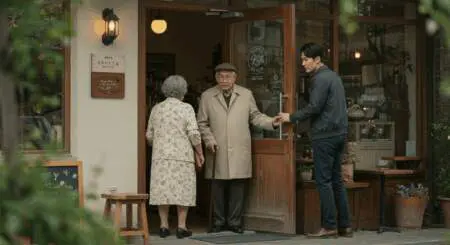
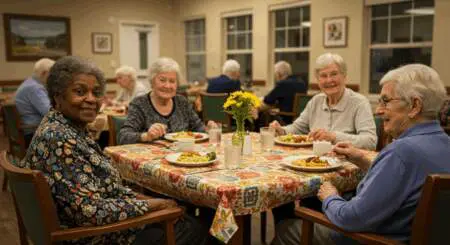
Imagine walking into a cozy room filled with warm smiles, soft background music, and the scent of freshly brewed coffee. Now picture this place designed not just for relaxation but also for compassion, connection, and memory support. That’s the essence of a memory cafe. Memory cafes are welcoming, non-clinical spaces where people living with dementia and their caregivers can come together for support, socialization, and stimulation. Unlike formal healthcare environments, these cafes are casual, community-based venues like libraries, church halls, or cafes that offer a comforting, judgment-free atmosphere. There are now over 1,000 memory cafes across the USA.
The idea is simple but powerful: provide a safe space for individuals affected by memory loss to enjoy meaningful interactions and experiences that enrich their quality of life. Memory cafes operate on the belief that while dementia takes away many things, it shouldn’t take away dignity, joy, or the chance to connect with others. What sets memory cafes apart is their dual benefit—patients find emotional relief and cognitive stimulation, while caregivers gain a support network, information, and moments of respite.
The concept of memory cafes began in the Netherlands in the late 1990s, inspired by a psychiatrist named Dr. Bere Miesen. He noticed that dementia patients and their families often felt socially isolated and craved understanding and connection. So, he launched the first “Alzheimer’s Café” in 1997 to bring people together in a non-medical, supportive environment. The idea quickly spread across Europe and eventually made its way to the United States, United Kingdom, and other countries. Today, memory cafes can be found in community centers, libraries, restaurants, and even online platforms, offering a sense of global solidarity in the fight against dementia.
Memory cafes are intentionally designed to be relaxed and inviting, far removed from the sterile, clinical vibe of a doctor’s office. They’re often held in familiar, easy-to-access places. Some even happen in gardens or parks when weather permits. Typically, memory cafes operate once or twice a month, lasting about 1 to 2 hours per session. They’re run by volunteers, healthcare workers, social workers, or dementia advocates. Some cafes are sponsored by local nonprofits or healthcare providers, while others are grassroots efforts led by passionate community members. There’s no “one-size-fits-all” approach. Some cafes follow a structured agenda with guest speakers, themed activities, and discussion groups. Others maintain a free-flowing format where participants engage at their own pace. The goal is flexibility—ensuring every attendee feels seen, heard, and included.
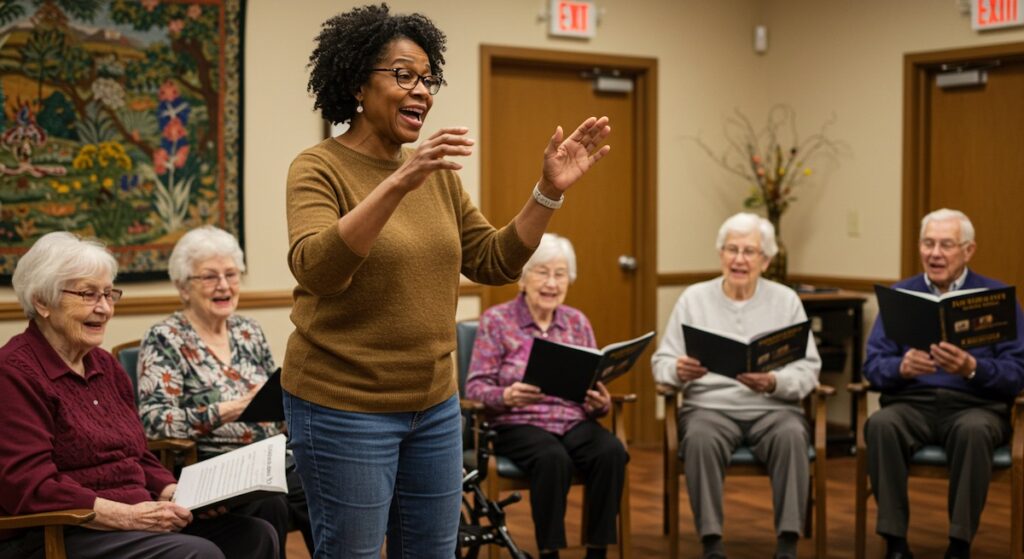
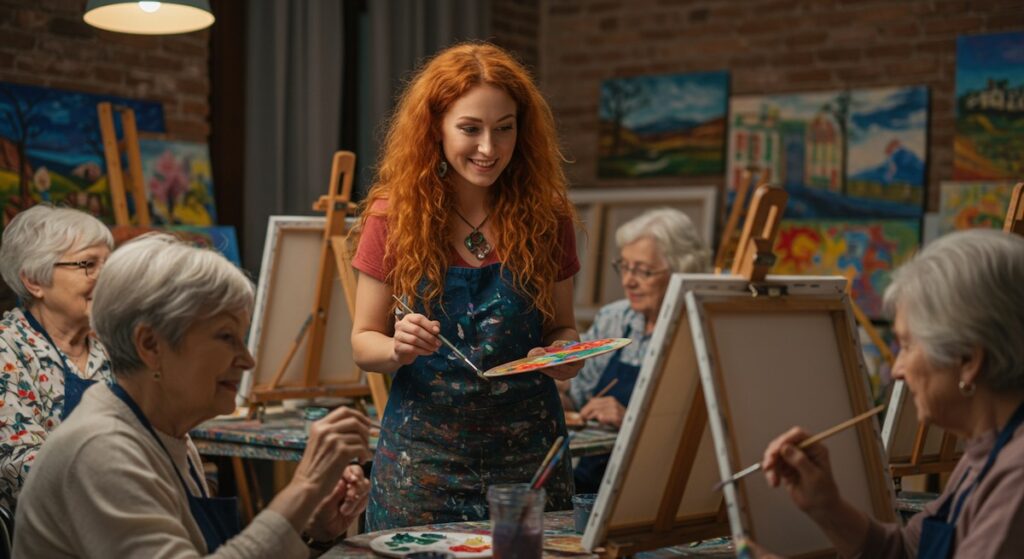
Walking into a memory cafe, you might find a group of people chatting over coffee, playing memory games, singing familiar tunes, or sharing stories from their past. A music therapist might lead a sing-along or an artist guides participants through a painting Exercise. Laughter is common. So is nostalgia.
A typical session includes:
The environment is calm, and nothing is ever rushed. No one is judged for forgetting a name or asking the same question twice. Instead, there’s patience, empathy, and genuine interaction. Caregivers also benefit from informal discussions with others facing similar challenges, swapping advice or simply finding comfort in shared experiences. Memory cafes are not Therapy sessions, but they are therapeutic. They offer something that medical appointments often can’t—a chance to simply “be,” enjoy the moment, and connect with others who truly understand.
One of the biggest battles dementia patients and caregivers face is isolation. Friends start to fade away. Social invitations dry up. People don’t know how to interact with someone who has memory loss, so they avoid the situation altogether. This leads to deep loneliness—for both patients and caregivers.
Memory cafes flip the script. They foster inclusion, not exclusion. Attendees are surrounded by people who “get it,” which immediately eases Anxiety and builds confidence. Even those in the early stages of dementia find solace in knowing they’re not alone. The emotional support is subtle but powerful. A smile of recognition. A shared laugh over a childhood story. A nod of understanding from a fellow caregiver. These tiny moments add up to a major emotional boost.
While memory cafes don’t cure dementia, they can help slow cognitive decline through mental stimulation. Engaging the brain is like going to the gym—it needs regular exercise to stay as sharp as possible for as long as possible.
Activities like music therapy, storytelling, word games, or art projects activate different areas of the brain. These interactions improve mood, reduce agitation, and enhance a sense of purpose. Participants often leave feeling energized and uplifted, rather than defeated. Mental stimulation also sparks memory retrieval. A familiar song might bring back forgotten memories. A group discussion might jog an old habit. This reinforcement is key in maintaining a sense of identity and history—two things dementia often tries to erase.
Dementia often creates an invisible wall between those diagnosed and the rest of society. People don’t know what to say, how to act, or even whether to engage at all. That disconnection can cause those with dementia to withdraw from social activities they once loved. It’s not just about memory loss—it’s about losing a sense of community. Memory cafes tear down that wall. These spaces foster an inclusive, judgment-free environment where everyone—regardless of their memory capacity—can belong. The emphasis isn’t on what someone can’t do, but what they can do. That mindset shift is empowering.
Participants share laughs, stories, music, meals, and even friendships. As the sessions progress, regular attendees begin to recognize each other, building a unique bond over shared experiences. There’s comfort in routine, in seeing familiar faces, and in knowing you don’t have to explain your condition.
Dementia has a way of shifting Family dynamics in painful ways. Spouses become caretakers. Children step into parental roles. These changes can strain even the strongest Relationships, especially when daily routines are filled with Stress, misunderstandings, or emotional exhaustion. Memory cafes provide a neutral ground. It’s not a hospital or a therapy office, it’s a relaxed space where patients and caregivers can simply enjoy being together. The pressure to “do it right” is lifted. Instead, couples might hold hands and sing a favorite song, or parents and adult children might laugh over a shared memory triggered by an old photo. This shared time, free from the typical demands of Caregiving, allows both parties to reconnect on a human level. Many caregivers report a renewed appreciation for their loved one’s personality, humor, and spirit when seen in the uplifting atmosphere of a memory cafe.
If your area doesn’t have a memory cafe, consider starting one. You don’t need to be a medical professional—just someone who cares and wants to create a supportive space.
Here’s how:
Training materials, starter kits, and mentoring are available from Alzheimer’s organizations or memory cafe networks. Many have downloadable guides to help you get started. Starting a memory cafe is more than launching an event—it’s planting the seeds of a community.
Memory cafes are more than just social gatherings—they are lifelines for individuals living with dementia and their caregivers. In a world that often overlooks or misunderstands the challenges of cognitive decline, memory cafes provide a sanctuary of understanding, empathy, and joy. These cafes offer a unique blend of therapeutic activities, meaningful interaction, and community support that cannot be replicated in a clinical setting. They help break the isolation, provide mental stimulation, and most importantly, preserve the dignity and humanity of those affected by dementia.
Whether you’re a caregiver, a family member, or someone newly navigating the world of dementia, memory cafes serve as a gentle reminder that connection is always possible—and healing doesn’t only happen in hospitals. As we look to the future, integrating memory cafes into broader dementia care strategies could transform how we support Aging populations around the globe. With more awareness, funding, and community involvement, memory cafes could become the heartbeat of compassionate dementia care in every neighborhood.