
The experience of American Vietnam veterans returning home remains one of the most emotionally charged chapters in modern U.S. history. Popular culture often portrays soldiers stepping off airplanes only to face angry protesters, public hostility, and widespread rejection. While this image has become deeply embedded in American memory, the reality was more complex. Many Vietnam veterans did not receive the kind of public celebration that greeted veterans of World War II. Many veterans felt isolated, misunderstood, and unsupported during their transition back to civilian life.
Unlike previous American wars, Vietnam ended without a decisive military victory or a clear sense of national pride. The conflict became increasingly unpopular as casualties mounted and television broadcasts brought graphic images of war into American homes. As public confidence in the government declined, many Americans separated themselves from the war itself — but veterans often became caught in the middle. Instead of returning to parades and community celebrations, many arrived home individually, quietly, and with little recognition. Understanding why Vietnam veterans often felt they were never truly welcomed home requires examining politics, public opinion, military policy, psychological Trauma, and the lasting influence of cultural memory.
By the late 1960s, Vietnam had become one of the most controversial wars in American history. Television coverage showed the human cost of combat almost nightly, while events such as the Tet Offensive in 1968 challenged official claims that victory was near. Trust in political leaders declined dramatically, fueled further by the release of the Pentagon Papers in 1971. The country became divided across political, generational, and cultural lines. Some Americans believed the war was essential to containing communism, while others considered it morally wrong or strategically unwinnable. Demonstrations occurred on college campuses, in major cities, and even in Washington, D.C.
Returning veterans entered a society exhausted by years of political conflict. Many civilians struggled to distinguish between opposition to government policy and attitudes toward the men and women who served. Although many protesters explicitly stated they opposed the war rather than individual soldiers, veterans often felt associated with an unpopular conflict they had little power to shape.
The anti-war movement represented a broad coalition that included students, religious leaders, civil rights activists, military families, and even veterans themselves. Organizations such as Vietnam Veterans Against the War demonstrated that opposition to the conflict existed within the veteran community. Media coverage often highlighted dramatic protests, creating an impression that conflict dominated every interaction between civilians and veterans. In reality, many Americans held mixed views. They opposed continued military involvement while respecting the sacrifices made by service members. Even so, public debate created an atmosphere in which returning soldiers often felt uncomfortable discussing their experiences. Many chose silence rather than risking arguments or misunderstanding. This emotional distance contributed to the perception that they had not truly been welcomed home.
No single story can represent the experiences of nearly three million Americans who served during the Vietnam War. Some veterans returned to supportive families, successful careers, and welcoming communities. Others encountered strained Relationships, unemployment, or emotional isolation.
Military rotation policies contributed significantly to these experiences. Unlike World War II, when entire units often returned together, Vietnam soldiers frequently completed individual tours and traveled home alone. A service member could leave a combat zone one day and be back in a U.S. airport within 24 hours. The abrupt transition left little time for emotional adjustment. Without shared homecoming ceremonies or unit reunions, many veterans lacked opportunities to process their experiences collectively. The sudden shift from combat to ordinary civilian life intensified feelings of alienation.
Perhaps the defining feature of many Vietnam veterans’ homecomings was not hostility but silence. Friends and neighbors often avoided discussing the war because it remained politically divisive. Employers sometimes viewed veterans through stereotypes shaped by media portrayals of trauma or violence. Some veterans reported feeling invisible. They had risked their lives but returned to communities eager to move on from a painful national episode. Unlike earlier generations, they seldom received symbolic public recognition affirming that their service mattered regardless of the war’s outcome. This absence of acknowledgment left lasting emotional scars. Recognition serves an important psychological function by helping veterans integrate military experiences into civilian identity. When that process is missing, feelings of resentment and isolation can persist for decades.
Many Vietnam veterans returned carrying psychological wounds that were poorly understood at the time. Today, these symptoms are commonly recognized as Post-Traumatic Stress Disorder (PTSD), but the diagnosis did not officially appear until 1980. Combat in Vietnam often involved guerrilla warfare, unclear front lines, and constant uncertainty. Soldiers faced ambushes, booby traps, and the challenge of distinguishing combatants from civilians. These conditions created chronic stress unlike many previous conflicts. Common symptoms included recurring nightmares, hypervigilance, Depression, emotional numbness, Anxiety, and difficulty reconnecting with Family life. Because these reactions were not widely recognized, many veterans blamed themselves rather than understanding they were experiencing a medical condition.
Mental Health services available during the 1970s frequently failed to meet veterans’ needs. Public awareness remained limited, and stigma discouraged many from seeking treatment. Veterans often worried that admitting psychological struggles would damage their careers or relationships. The Department of Veterans Affairs expanded mental Health services over time, but many veterans spent years without adequate support. Delayed diagnosis contributed to substance abuse, homelessness, family breakdown, and suicide among some former service members. Research has consistently shown that early intervention improves outcomes for trauma survivors. Unfortunately, many Vietnam veterans did not receive comprehensive care until decades after leaving military service.
Films such as The Deer Hunter, Apocalypse Now, Platoon, and Born on the Fourth of July profoundly shaped public understanding of Vietnam veterans. While many portrayed the psychological costs of war with sensitivity, they also reinforced images of veterans as damaged, isolated, or permanently traumatized. These portrayals increased public sympathy in some respects but also created stereotypes. Employers, educators, and even family members sometimes assumed veterans were emotionally unstable or dangerous despite most successfully adjusting to civilian life. Popular culture also emphasized dramatic stories over ordinary experiences. Quiet reintegration rarely makes compelling cinema, while conflict and tragedy capture attention. As a result, collective memory often reflects exceptional cases rather than typical ones.
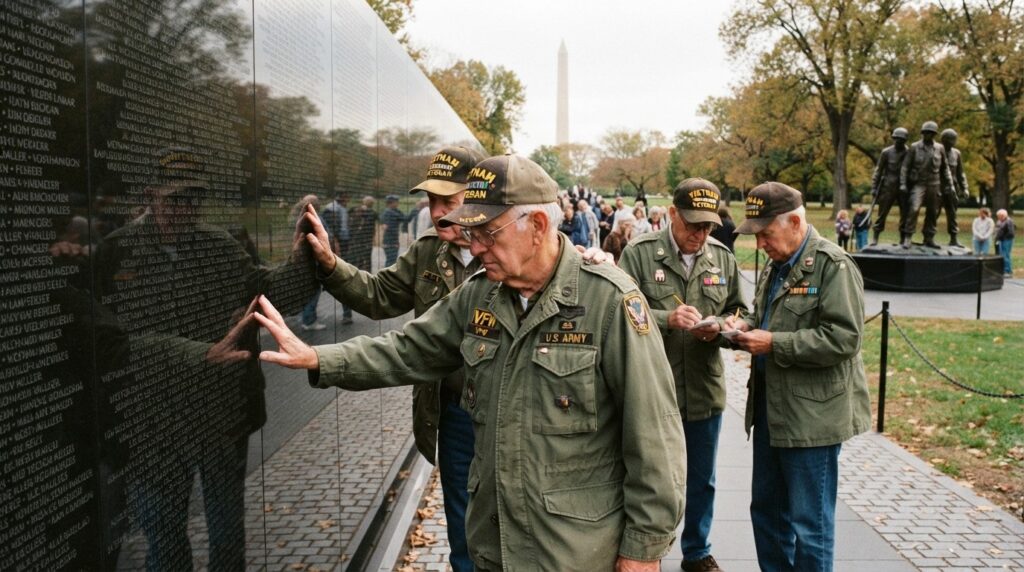
The dedication of the Vietnam Veterans Memorial in Washington, D.C., in 1982 marked a turning point in national attitudes. Designed by Maya Lin, the memorial lists the names of more than 58,000 Americans who died or remain missing during the conflict. Rather than celebrating victory or assigning blame, the memorial focuses on remembrance and sacrifice. Millions of visitors have left letters, photographs, medals, and personal mementos, transforming the site into one of the nation’s most powerful spaces for reflection. For many veterans, the memorial represented the recognition they had long sought. It acknowledged their service without attempting to resolve political debates about the war itself.
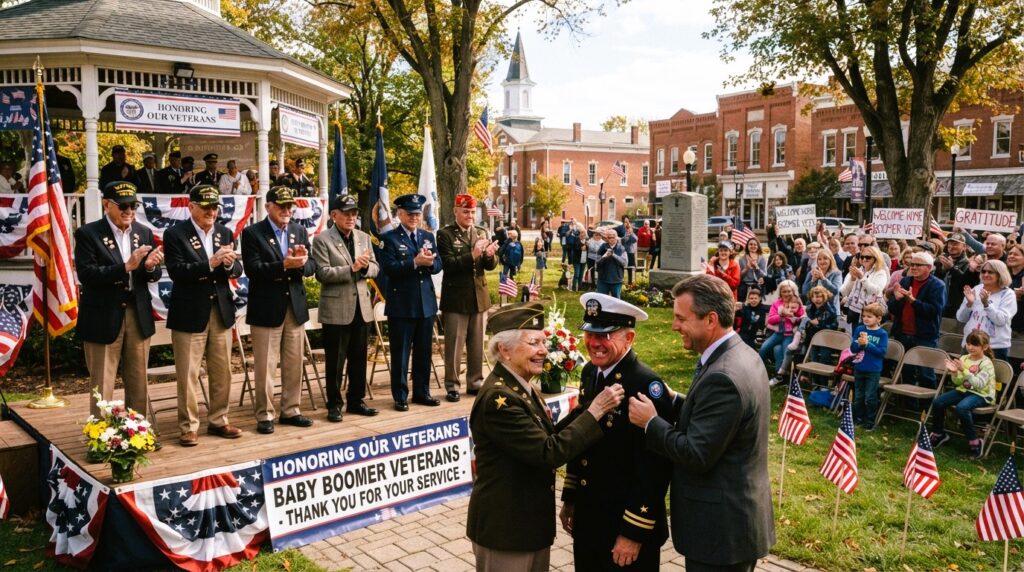
Public attitudes toward Vietnam veterans have changed considerably over the past four decades. Ceremonies honoring Vietnam veterans became increasingly common, culminating in initiatives such as the Vietnam War Commemoration, authorized by Congress to recognize the service and sacrifice of veterans and their families. Modern Americans often distinguish clearly between evaluating a war and honoring those who served in it. This lesson has influenced how later generations welcomed veterans returning from conflicts in Iraq and Afghanistan, with public expressions such as “Thank you for your service” becoming commonplace. While symbolic recognition cannot erase decades of hardship, many veterans have described later acknowledgments as meaningful steps toward healing. Historical scholarship has also contributed by presenting a more nuanced understanding of both the war and the diverse experiences of those who fought in it.
Vietnam veterans were not universally rejected when they returned home, nor were they universally celebrated. Historical evidence suggests their experiences ranged from warm family support to painful encounters with indifference, misunderstanding, and, in some cases, hostility. What distinguishes the Vietnam generation is not simply how individuals were treated but the broader national context into which they returned. They came home during a period of political division, declining trust in government, economic uncertainty, and limited understanding of combat-related psychological trauma.
The absence of organized homecoming celebrations, the slow recognition of PTSD, bureaucratic challenges within veterans’ services, and decades of cultural stereotypes combined to create a widespread feeling among many veterans that their sacrifices had gone unrecognized. Although later Memorials, public commemorations, and expanded healthcare services have helped address some of these shortcomings, they cannot fully replace the welcome many veterans felt they never received. Remembering this history accurately requires acknowledging both documented evidence and lived experience. It also reinforces an enduring lesson: a nation’s assessment of a war should remain distinct from its responsibility to support the people it sends into harm’s way.