
There’s something quietly magical about a spinning vinyl record. Even in the age of Spotify, YouTube, and countless Streaming apps, vinyl records, especially those pressed during the 1960s and 70s—have not only survived, but they’ve also thrived. So, why do I still cling to them so dearly?
The resurgence of vinyl isn’t just about sound. It’s about emotion, connection, and memory. For some, it’s the warm, unfiltered tone that no digital file can replicate. For others, it’s the physicality—the large, beautiful album covers, the smell of the sleeve, the ritual of placing the needle. Vinyl offers an experience that’s tactile, immersive, and deliberate. Collectors and casual listeners alike are dusting off their parents’ records or hunting for pristine pressings at flea markets. Even younger generations are getting in on the craze, drawn to the authenticity and charm that digital simply can’t replicate.
But holding onto these records from the 60s and 70s? That’s more than just following a trend. It’s personal. These records are relics of a revolutionary musical era. They’re loaded with stories, full of soul, and wrapped in cultural context. They’re a way of holding on to a time that shaped so much of the music—and mindset—I know today.
Think about the first time you heard The Beatles on a crackling record player or the smooth, psychedelic tones of Pink Floyd’s Dark Side of the Moon. For many, those weren’t just listening sessions, they were defining life moments. Vinyl records are more than just audio; they’re time machines. Nostalgia plays a powerful role in our relationship with vinyl. These records serve as memory capsules, each groove etched with not just sound, but emotion. Whether it was a teenage Love, a rebellious phase, a Family gathering, or a road trip soundtrack—each spin brings those moments back.
Unlike streaming, which is fleeting and often forgotten once a song ends, vinyl encourages us to stop and savor. There’s no “skip” button on a turntable. You’re in it for the full journey—from Side A to Side B. That tangible connection between music and memory is why I can’t bear to part with my old records. I’m not just keeping vinyl—I am keeping my youth, my history, and my heartbreaks. It’s a soundtrack to my life, and every crackle tells its own story.
In a digital world where everything is a click away, vinyl offers something increasingly rare: the joy of physical ownership. Holding a record, admiring the cover art, reading the liner notes—these are all parts of the experience that simply don’t exist in digital formats. Vinyl engages in all of our senses. The large album covers are often pieces of art in themselves. Remember those detailed illustrations, psychedelic patterns, or band photos that told a story before you even dropped the needle? It’s more than music—it’s a multimedia experience. There’s also a certain satisfaction in the ritual. Pulling a record from its sleeve, cleaning it gently, placing it on the turntable—it’s almost ceremonial. It’s a pause in a fast-paced world, a way to be present and intentional with your music. Many of us who grew up with vinyl or inherited records from our parents hold onto them not just for the music, but for the feeling of having something real. It’s not just about listening, it’s about experiencing. That tactile connection, in an increasingly touchless age, is priceless.
Why do I hold on specifically to vinyl from the 60s and 70s? Because that era wasn’t just about music, it was about a movement. It was the soundtrack to revolutions, protests, love-ins, and counterculture shifts. Music didn’t just reflect society, it shaped it. Artists like Bob Dylan, Jimi Hendrix, The Rolling Stones, Janis Joplin, and Led Zeppelin weren’t just performers; they were cultural icons. Their records are historical artifacts, capturing the mood, rebellion, and creativity of their time.
This was also the golden age of album-oriented rock. Musicians weren’t just releasing singles—they were crafting full albums with themes, stories, and experimental sounds. These records were meant to be heard in full, not shuffled randomly in a playlist. When I hold onto these records, I’m preserving a piece of cultural history. They represent a time when music was both deeply personal and universally impactful. That blend of social Consciousness and musical Innovation is hard to replicate—and even harder to let go of.
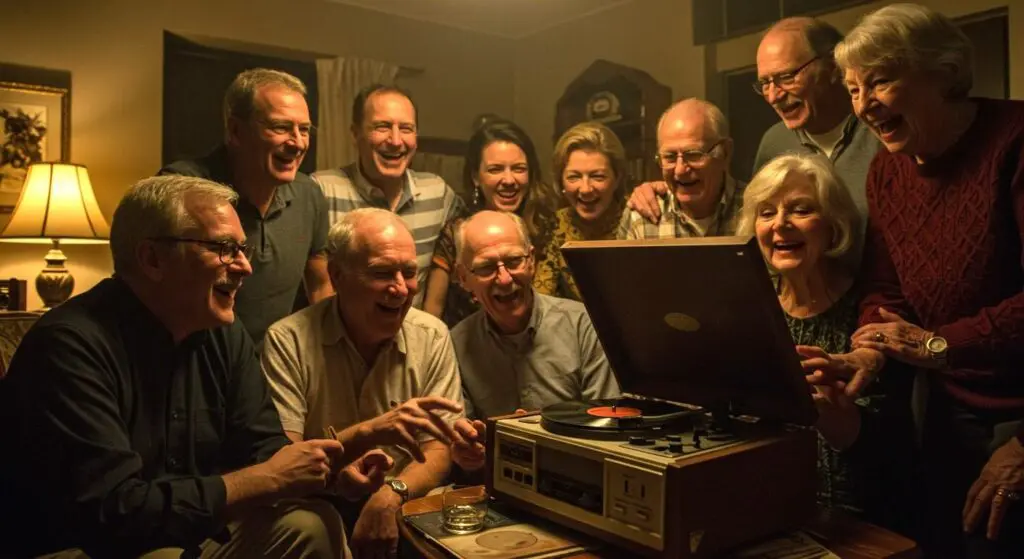
There’s something deeply beautiful about sharing music across generations. A father handing down his favorite The Association album to his daughter. A grandmother introducing her grandson to the soulful sounds of Aretha Franklin. Vinyl creates bridges between the past and the present, uniting family members with shared listening experiences. These records carry more than just music—they carry personal legacies. When you play your dad’s favorite Jethro Tull album or your mom’s go-to disco record, you’re stepping into their world. You get to hear what moved them, what they danced to, what lyrics they memorized.
In an age where Technology often separates generations, vinyl brings people together. Young people today are discovering old records not just because they’re trendy, but because they want a deeper, more authentic musical experience. They want to feel something real, and these vintage records deliver. Teaching the younger generation how to care for records—how to store them, clean them, play them—becomes a bonding ritual. It’s not just about preserving vinyl; it’s about preserving connection. These spinning discs become heirlooms, carrying not just songs, but family memories.
If you’ve ever played a vinyl record, you know—it’s not passive. It’s active, intentional, almost sacred. The ritual begins when you slide the record out of its sleeve, gently place it on the turntable, and lower the needle with care. There’s anticipation in the silence before the sound starts to bloom. Unlike tapping a phone screen, this process engages you. It slows you down. You become part of the music-making. The subtle whir of the turntable, the light crackle as the needle hits the groove—it’s all part of the show.
That ritual fosters mindfulness. You can’t just skip around. You listen. You absorb. Maybe you sit back with a cup of coffee or stare at the album cover art. Maybe you will dance in your living room like no one is watching. Either way, it becomes more than listening—it becomes being. This intentionality is something many of us crave in our fast-paced lives. Vinyl gives us a reason to pause. To unplug. To engage with music in a deeper, more respectful way. That experience is irreplaceable—and that’s why we return to it, time and time again.
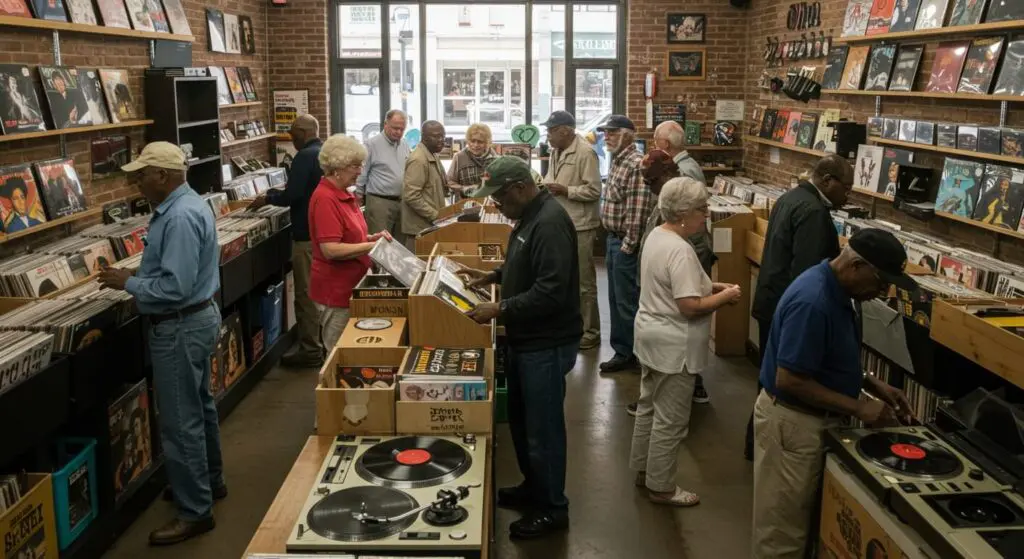
Vinyl is more than a personal passion—it’s a gateway to community. From record fairs to online vinyl forums, from local music clubs to social media groups, holding onto vinyl records gives you access to a thriving network of like-minded enthusiasts who love to share, swap, and geek out over rare pressings and classic albums. Record stores aren’t just places to buy music, they’re cultural hubs. Flip through crates with a stranger and you might end up swapping stories about your favorite track or comparing notes on your best garage sale finds. These interactions create friendships, form bonds, and reinforce a sense of belonging.
Online communities on platforms like Reddit, Discord, and Facebook bring collectors together globally. People post about their latest pickups, ask for advice on care and restoration, or host virtual listening parties. These digital spaces are lively, passionate, and often incredibly supportive.
There are also vinyl meetups and listening events where folks gather just to hear entire albums together—start to finish. Imagine sitting in a room with others who all share the same reverence for the pressing of Abbey Road. It’s magical. Vinyl creates conversations, Relationships, and even opportunities to mentor or learn. So, yes, vinyl connects us to the past, but it also connects us to each other. In an era where much of life is isolated and online, these real, tangible connections are more valuable than ever.
Vinyl records from the 60s and 70s aren’t just musical artifacts. They’re emotional time machines, cultural landmarks, and living symbols of a slower, more intentional way of experiencing music. We hold onto them because they matter—deeply, personally, and permanently. These records represent more than sound—they represent us. Our history, our identities, our youth. They connect generations, foster communities, and keep the soul of music alive in a digital age that often lacks depth. They are proof that music is more than just data. It’s memory. It’s emotion. It’s life.
So, whether it’s a scratched-up Pet Sounds album by the Beach Boys passed down from your parents or a pristine copy of Bookends.by Simon & Garfunkel you hunted down at a thrift shop—keep spinning it. Because vinyl isn’t just surviving. It’s thriving.