When you’re facing a serious diagnosis or watching someone you Love navigate a major life change, one thing becomes crystal clear: time matters. Memories are precious, and they don’t always stay with us the way we hope. Writing your life story isn’t just about creating a document. It’s about preserving the version of yourself and your experiences that only you can tell.
Whether you’re motivated by Health concerns, Family history, or simply the desire to leave something behind for your loved ones, learning how to write your life story is a gift you can give yourself and future generations. This guide walks you through the process of life story writing in a way that feels manageable and meaningful.
Before you put pen to paper or fingers to keyboard, ask yourself why you’re doing this. Are you documenting family history to pass down to your children and grandchildren? Do you want to create a record of a transformative time in your life? Are you processing a difficult chapter, like living as a caregiver or traveling through an unexpected season?
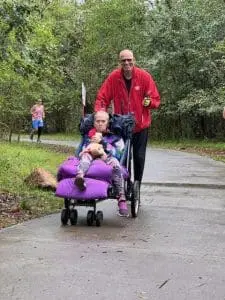
Your reason will shape how you approach the work. Someone documenting family stories for genealogical purposes might focus on dates, names, and lineage. Someone writing about a personal journey, like Anthony and Catherine’s decision to Travel the world while managing early-onset Alzheimer’s, might emphasize Emotions, challenges, and turning points.
Clarity on your why will also keep you motivated when the process feels slow or overwhelming.
How to write your life story feels less daunting when you break it into digestible pieces. Rather than trying to capture everything at once, think of your life as a series of chapters or eras.
Consider organizing by major life events or themes:
You don’t have to write these in order. Start with the chapter that feels most alive to you right now. The story you’re most eager to tell is often the one that flows most naturally onto the page.
Life story writing becomes vivid when you include the details that make a moment real. Not just what happened, but what you saw, heard, felt, and sensed.
Instead of: “I traveled to a new country,” try: “Stepping off the plane in Madagascar, the humid air hit my face, and the smell of red earth and salt water filled my lungs. The sounds of voices in Malagasy mixed with French, a language I didn’t speak.”
These details make your story come alive for readers. They also trigger your own memories. When you focus on sensory experiences, other details often surface that you’d otherwise forget.
Include dialogue when you remember it. Actual conversations, even if not word-for-word perfect, feel more authentic than paraphrased accounts. And don’t shy away from the messy emotions. Frustration, Grief, joy, fear, love. The full range of human experience is what makes a story worth reading.
If you’re documenting family history or capturing the stories of older relatives, sometimes the best approach is to start with conversation. Record interviews with family members, either audio or video. Ask open-ended questions and let them talk.
Good starting prompts include:
Recording conversations serves two purposes. First, you capture their voice and perspective in their own words. Second, you give yourself raw material to work from when you sit down to write.
If direct recording feels awkward, write down stories as they’re shared with you. The act of writing captures not just the words, but your own reflections on what they mean.
There’s no single right way to approach life story writing. Some people write best in long, focused sessions. Others do better with short bursts, a few hundred words at a time. Some prefer longhand, which connects hand to heart in a way typing sometimes doesn’t. Others feel more productive working on a computer.
Experiment to find what works for you. Consistency matters more than duration. Writing for 20 minutes each day will move you further than sporadic marathon sessions.
Set a regular time and place if you can. Creating a writing habit, even a small one, helps you show up for the work. And showing up is how a life story gets written.
While organization helps, don’t let the desire for perfect structure stop you from writing. Life doesn’t follow a neat narrative arc. Real stories have digressions, contradictions, and moments where we didn’t know what came next.
That’s okay. Your job isn’t to create a polished bestseller. It’s to capture your truth as honestly as you can. If a chapter goes sideways, let it. If you need to double back and correct something, do it. The goal is authenticity, not perfection.
If you find yourself getting stuck, you can always organize and refine later. For now, permission to be messy is your friend.
Think about who will eventually read this. Are you writing primarily for your children and grandchildren? For a wider audience who might connect with your specific experience? For yourself, as a way to process and understand your own journey?
Your audience doesn’t have to change what you write, but it might shape how much context you provide. If you’re writing for family, you might skip over explanations of common references. If you’re hoping to reach people with similar experiences, you might include more detail about challenges and turning points.
Running With Cat’s memoirs, “Running All Over the World” and “One Footstep at a Time,” show how powerful it is when someone writes about their real experience, including the hard parts. Anthony documents the physical and emotional journey of traveling while caring for Catherine through early-onset Alzheimer’s. That honesty is what makes the story resonate.
The best time to document your life story was ten years ago. The second best time is now. Your memories, your perspective, your specific way of seeing the world: these things matter. They shape how others understand both your life and their own.
You don’t need to be a writer. You don’t need a perfect plan or an ideal setup. You just need to begin. Start with one chapter, one memory, one conversation. Write the part of your story that feels most important to tell. The rest will follow.
Your life deserves to be remembered, and the people who love you deserve to know the full, true version of who you are and what you’ve survived.
The post How to Write Your Life Story Before It Fades first appeared on Running With Cat.