

Have you ever found yourself standing in front of the mirror, poking at your belly, wondering why the number on the scale seems to define your worth? If you’ve asked yourself, “Why am I so obsessed with losing weight?” — you’re far from alone. This isn’t just about shedding a few pounds; it’s a deep-seated emotional whirlwind that touches everything from your self-esteem to your Relationships.
In our image-obsessed culture, the desire to lose weight often becomes more than just a Health goal. It turns into a fixation. Weight loss is marketed as the golden ticket to happiness, success, and even Love. Social media is filled with before-and-after photos, fitness influencers flaunting “perfect” bodies, and ads that promise you’ll finally feel good in your skin — but only after you lose the weight. It’s no wonder so many of us start to feel like we’re in a never-ending war with our bodies. This obsession often hides a deeper truth — it’s not just about looking better, it’s about feeling better. The problem is, chasing this ideal often leads to more harm than healing. If you feel stuck in this cycle, it’s time to take a step back and understand what’s really going on beneath the surface.
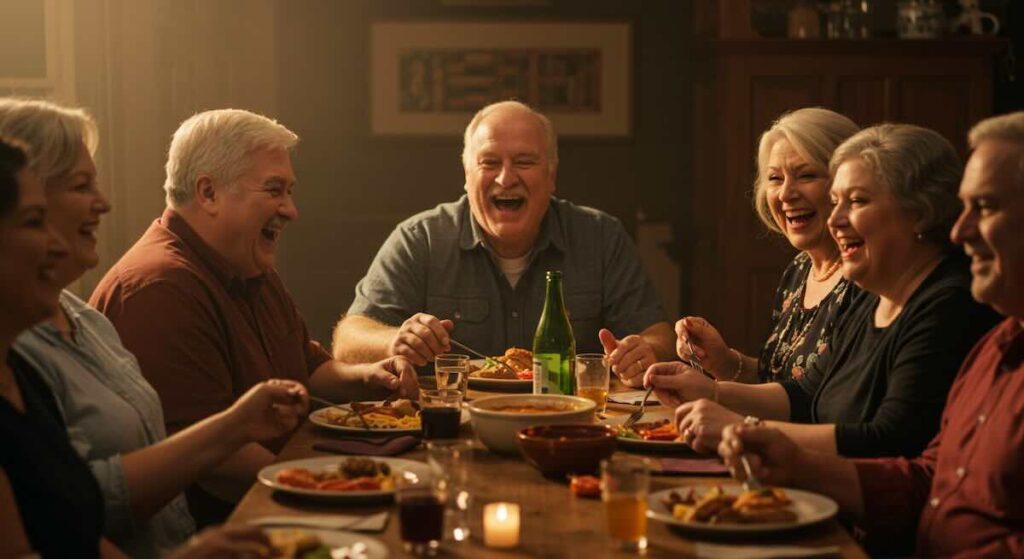
Let’s be honest — wanting to be healthier or more fit isn’t a bad thing. But when that goal starts to control your thoughts 24/7, it’s no longer about wellness; it’s about obsession. So where does this intense drive to lose weight come from? At its core, weight loss obsession is often tied to our psychology. It can be a response to feeling out of control in other parts of life. In a chaotic world, counting calories, tracking workouts, and watching the scale drop offers a false sense of order. It gives you a mission — a purpose — that you can cling to. But that sense of control is often fleeting.
Some people become obsessed with weight loss after experiencing rejection, bullying, or Trauma. For others, it’s a way to cope with Anxiety or Depression. Instead of dealing with those Emotions head-on, they shift their focus to their body, hoping that if they just get thinner, the pain will disappear. It doesn’t help that Diet culture praises people for their discipline. You skip dessert? You’re “strong.” You lose weight? You get compliments. It creates a reward loop where you start believing that your worth is tied to your ability to shrink your body. Obsession doesn’t equal motivation. Obsession is a red flag. It’s a cry for help disguised as discipline. The key is to understand that the issue isn’t your body — it’s what you believe about your body, and why.
From the glossy covers of fashion magazines to the perfectly edited selfies on Instagram, we are bombarded with unrealistic beauty standards. You can’t scroll for five minutes without being reminded that skinny equals success, beauty, and even happiness. Hollywood and the fashion industry have long pushed a single body ideal — one that is often genetically unattainable for most people. The average model is thinner than 98% of the population. This is the standard we’re told to measure against.
Add social media into the mix, and it gets worse. Filters, Photoshop, and angles create an illusion of perfection. Influencers post their “what I eat in a day” videos, implying that if you just follow their routine, you’ll look like them. But what they don’t show are the editing, the lighting tricks, and often, the disordered behaviors behind the scenes. This constant exposure warps our perception of normal. We start comparing ourselves to images that aren’t even real. And the more we compare, the more we feel inadequate — which fuels the obsession.
The media also plays on our insecurities to sell products. “Flat belly detox teas,” “fat burners,” “skinny wraps” — these are billion-dollar industries that profit from making you feel like you’re not enough. The message is clear: You must change yourself to be accepted. But acceptance isn’t something you buy. It’s something you cultivate from within. And the sooner we recognize the media’s manipulation, the sooner we can begin to break free.
While the media plants the seed, our families and cultures often water it. Maybe you’ve heard a parent say, “Are you really going to eat that?” Or a relative make a comment like, “You looked better when you were thinner.” These seemingly innocent remarks can stick with us for years, forming the core beliefs that our bodies are never quite good enough.
In many cultures, body image is deeply tied to morality and social value. Being thin may be seen as a sign of discipline, while being overweight is unfairly linked to laziness or lack of self-control. For women especially, body shape often becomes a silent currency — influencing Marriage prospects, social acceptance, and even career opportunities.
Children who grow up hearing negative comments about weight — directed at themselves or others — often internalize those messages. It creates a lifelong struggle with food, body image, and self-worth. These beliefs don’t magically disappear as we grow older. Instead, they fester beneath the surface, driving us to constantly chase a thinner version of ourselves. Family dynamics can also play a big role. Some people try to lose weight to gain approval from a critical parent. Others might do it to avoid being bullied or teased. Even well-meaning family members can unknowingly reinforce toxic ideas about beauty and worth. Healing this part of the obsession means looking back and identifying the messages you received — and realizing that you are allowed to unlearn them.
Many people start losing weight with the intention of boosting their mood, confidence, or sense of self-worth—but what happens when dieting becomes an obsession? When you begin tying your Mental Health to the scale, you’re entering a dangerous emotional territory. On the surface, focusing on weight might seem like self-improvement. But underneath, it can mask deeper issues like anxiety, depression, and dysmorphic body thinking. People who obsess over weight often find relief not in nourishment, but in the illusion of control it provides. It becomes less about feeling good and more about not feeling bad—and that shift can spark a downward spiral.
Obsession with weight and shape is a core psychopathological feature of eating disorders like anorexia and bulimia. People with these conditions often believe their self-worth hinges on being thin. They develop distorted body perceptions—as if their body is someone else’s mirror, flawed and unacceptable by default. Emotional pain, fear of gaining weight, and distorted shape awareness create a daily torment. This distress doesn’t only stay in the brain—it shows up physically, too. Prolonged obsessive dieting can lead to fatigue, nutrient deficiencies, slowed metabolism, and hair loss. Even if weight drops, health often takes a serious hit. If your relationship with weight is causing anxiety, low mood, or obsessive rituals—no matter your body size—it’s worth pausing to ask: is this serving you, or destroying you?
I was not born hating my body. Society taught me to. I can teach myself to love it again—or at the very least, accept it without judgment. Diet culture is a liar. It sells the idea that smaller is better, hunger is noble, and beauty comes from deprivation. Unlearning these lies was essential to reclaiming my peace. I started unfollowing social media accounts that promoted unrealistic body standards and started by rewarding my story. Success isn’t about the scale. Beauty isn’t about measuring inches or pounds. My body is exactly as it is and deserves love and care.
This did not happen overnight. It took practice, compassion and support of my family and friends. I found that every time I chose self-kindness over criticism, or joy over restriction, I reclaimed a piece of my life. I had to start this journey in small ways. I began eating without shame. I began moving my body because it felt good, not because the diet book said to move this way. I began saying kind things to myself, even when it seemed hard. Bit by bit, I created a new reality where I felt free.
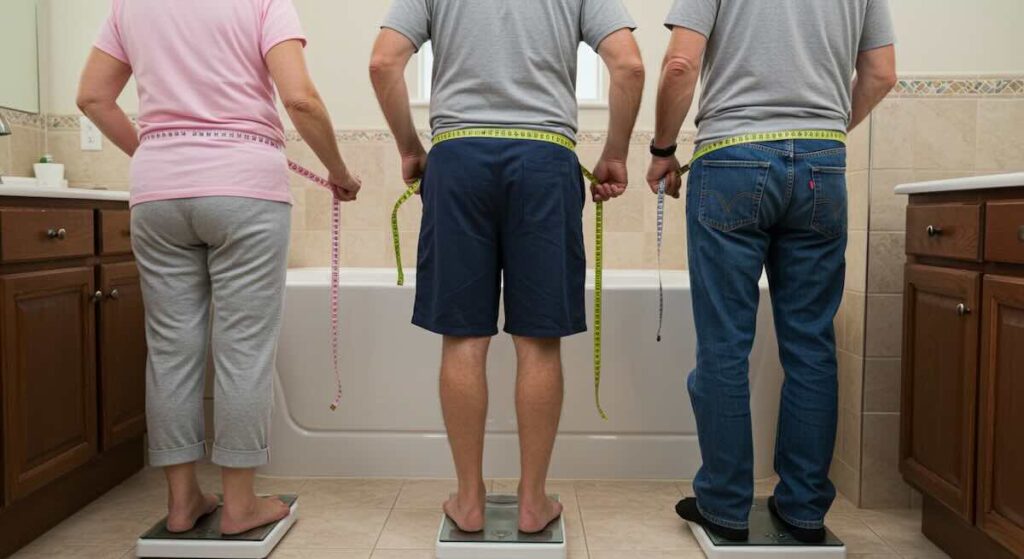
So, why are we so obsessed with losing weight? Because somewhere along the line, we were taught that our value depends on our appearance. We were conditioned to believe that a smaller body meant a better life. We internalized comments, comparisons, media images, and cultural expectations until they became our truth. We turned our body into a project, something to be fixed, rather than something to be loved.
Obsession never leads to peace. It leads to Burnout, isolation, and emotional exhaustion. And the more we chase perfection, the more distant it becomes. We don’t need to shrink our body to be worthy. We don’t need to earn rest or joy or love. We already deserve those things, just as we are. Letting go of the obsession doesn’t mean letting go of health, it means redefining what health looks like in our life. It means tuning into our needs, honoring our bodies’ cues, and living in a way that feels sustainable and kind. This journey isn’t easy. But freedom is worth fighting for. We are not alone. And we don’t have to live like this forever.