
Have you ever looked in the mirror, seen a few more wrinkles, yet still felt like the same vibrant, curious person you were in your 30s or 40s? Welcome to the paradox of Aging, a fascinating and sometimes jarring split between how we feel internally and what our birth certificate tells the world. As a baby boomer, you likely still feel young at heart, active, and engaged. So why does the topic of death keep sneaking into your thoughts? This internal conflict is deeply rooted in human psychology. Your chronological age might say you’re in your 60s or 70s, but your mental and emotional identity might still be anchored in a more youthful self-image. This is what psychologists refer to as “subjective age”—how old you feel versus how old you are. Many Baby Boomers report feeling at least 10-20 years younger than their actual age. Yet the frequent reminders of mortality—from aches and pains to funerals and news reports—can create an unsettling dissonance.
There’s also the societal pressure of “acting your age,” which can stir up Anxiety. You might hear friends joke about getting old or notice people treating you differently based on assumptions. These experiences can subtly reinforce the notion that you’re nearing the end of your story—even when you don’t feel that way. But thinking about death doesn’t necessarily mean you’re morbid or pessimistic. It often signifies a deeper level of self-awareness. It’s not just about fearing the end—it’s about trying to make sense of your life, choices, Relationships, and Legacy. In that sense, it’s not just natural—it’s profoundly human.
We live in a world of constant information. While that’s not inherently bad, the way we consume news and Entertainment can play a major role in how often we think about death. For baby boomers, who grew up with black-and-white televisions and are now navigating smartphones and Streaming services, the shift in content delivery has been dramatic—and not always positive. Every scroll through a news app or social media feed brings stories of tragedy, loss, and celebrity deaths. Even nostalgic rewatching of old TV shows or movies can trigger thoughts like, “Oh, they passed away recently,” or “I wonder who’s still alive from this cast.” Without even realizing it, you’re surrounded by cues that point to mortality.
Celebrity deaths, in particular, hit harder than we expect. Why? Because they’re tied to our memories and milestones. The passing of someone you admired in your teens or twenties feels personal, like a piece of your youth just disappeared. It’s a stark reminder that time is moving, and none of us are immune to its effects. Even social media can serve as a double-edged sword. While it connects us to friends and Family, it also exposes us to news of illness, loss, and Grief within our own circles. A former colleague’s obituary, a friend’s Cancer diagnosis, or a cousin’s post about their parent’s passing can stir up Emotions and thoughts about your own mortality. Moreover, documentaries, medical dramas, and true-crime stories routinely focus on death and danger. It’s no surprise that with this kind of daily exposure, thoughts about mortality become more common. But recognizing the media’s influence helps you take back control. You can choose to filter your feed, limit exposure, or balance your consumption with uplifting, life-affirming content.
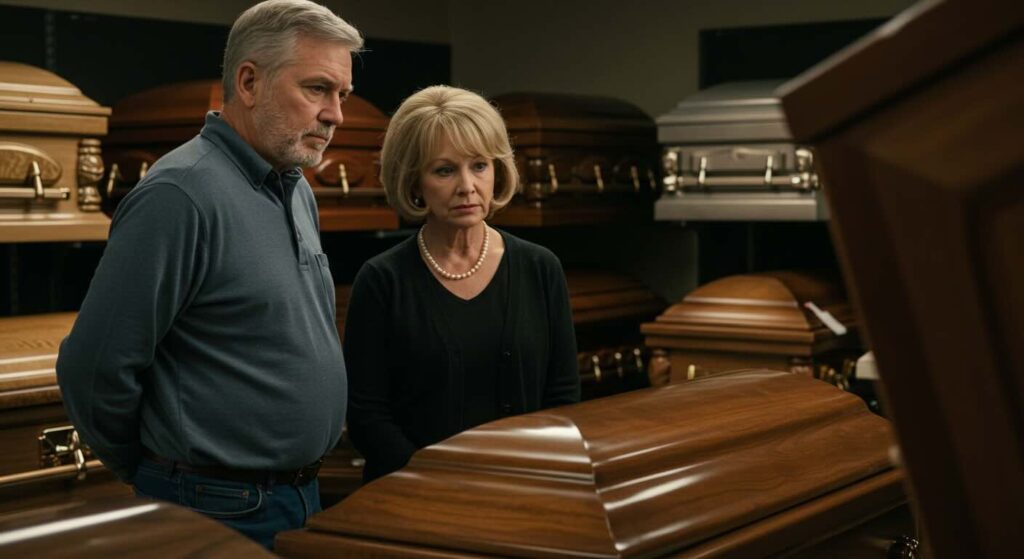
Nothing makes death feel more real than losing someone you Love. As we age, these losses unfortunately become more frequent. Parents, siblings, friends, neighbors—people who were part of our world for decades start to pass away. And with each loss, a part of our own story feels like it’s fading, too. This period of life can feel like an emotional rollercoaster. You may have already said goodbye to your parents or mentors. You may be attending more funerals than weddings. Each goodbye leaves behind a silent echo, a question, a memory, or sometimes, a regret. These emotional aftershocks don’t just fade away—they linger and resurface in quiet moments.
Grief isn’t always loud or obvious. It can show up as fatigue, restlessness, or an unease you can’t quite name. You might be going about your day when a song plays that reminds you of someone. Or maybe you’re flipping through a photo album and suddenly you’re overwhelmed by the passage of time. There’s also something called “anticipatory grief.” It’s the anxiety that comes from knowing that more losses are inevitable. If your partner has Health issues, or if your friends are facing serious diagnoses, it’s natural to start imagining what life would look like without them. That’s not being negative, it’s being human.
The ripple effect of loss is powerful. It not only shakes your emotional world but also makes you confront your own mortality. It raises questions like, “What will my legacy be?” or “Will I be remembered?” These are heavy thoughts, but they also present an opportunity—to reconnect with loved ones, to say the things you’ve been meaning to say, and to make peace with the past.
Aches, pains, and doctor visits are more frequent now than they used to be. Even if you’re in great shape, your body might occasionally remind you that you’re not 25 anymore. A pulled muscle from Gardening, a nagging knee pain, a new prescription—all these little signs can stir up anxiety.
But here’s the twist: not all health fears are grounded in serious illness. Sometimes, they’re rooted in the fear of what might happen. Every headache becomes a potential brain tumor. A forgotten word leads to a Google search about Alzheimer’s. This hyper-awareness of health is common among our generation, especially after a major illness or the loss of someone close. The constant monitoring of our physical condition creates a loop. You notice a symptom, worry about it, check online, read worst-case scenarios, and end up more anxious than before. The irony? Stress itself can cause or worsen symptoms.
Regular doctor appointments, blood tests, and checkups—while important—can unintentionally feed death anxiety. Every time you walk into a clinic or hospital, you’re reminded of mortality. Even when results are normal, the very process of checking reinforces the idea that something could go wrong. On the flip side, this awareness can also be empowering. It encourages healthier habits, preventive care, and a proactive approach to wellness. If you’re exercising, eating well, and getting regular checkups, you’re doing your part to stay in control. That’s a powerful antidote to fear.
What if fear of death wasn’t a curse, but a gift? What if it’s your soul’s way of nudging you to truly live?
Many of us discover that our mortality awareness actually becomes a driving force for purpose. Instead of shrinking in fear, we lean into passion—traveling more, starting a new hobby, reconnecting with loved ones, or mentoring younger generations. It’s not a death sentence; it’s a life catalyst. Reframing death anxiety into life motivation begins with mindset. Rather than asking, what if I die soon? Try asking, what can I do today that makes me feel alive? This shift doesn’t just reduce fear, it boosts joy.
Make a “Life List” instead of a “Bucket List.” Fill it with things that light you up—simple joys like baking a new recipe, calling an old friend, dancing in your living room, or watching the sunrise. These moments are life in its purest form. Volunteering is another powerful motivator. Giving back, sharing Wisdom, and contributing to your community provide meaning and remind you that your presence matters. You’re not just passing time—you’re making an impact.
When fear shows up, welcome it as a signal to check in: Are you living the life you want? If not, today is the perfect time to start. You’re not too old. It’s not too late. Life didn’t end at Retirement—it simply gave you the pen to write your next chapter.
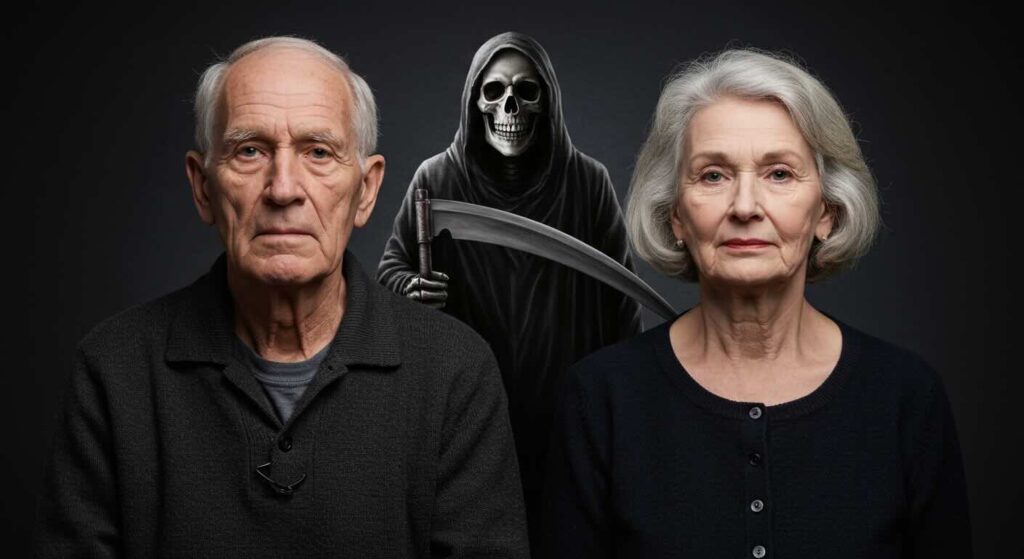
Death is a subject that many avoid, but for my generation, it’s become an unavoidable companion. Not because we’re ready to die, but because we’re ready to live more consciously. Whether it’s sparked by media, health changes, the loss of loved ones, or quiet reflection, these thoughts don’t signal weakness—they reveal a deeper wisdom.
We are not thinking about death because we are morbid. We think about it because we have experienced enough of life to know how precious and fragile it is. That’s not a sign of decline—it’s a sign of deep emotional intelligence. By embracing this awareness, rather than running from it, we open the door to a fuller, richer life. Death doesn’t have to be the enemy. Sometimes, it’s the very thing that helps us rediscover what it means to truly live.