
Sometimes, grandfathers carry emotional burdens from their own childhoods, wars, losses, or tough upbringings that they never fully addressed. These emotional wounds—what psychologists might call generational Trauma—can unknowingly affect how they relate to their grandkids. They might be stoic, distant, or emotionally unavailable, not out of lack of Love, but because vulnerability was never modeled for them. Many of us grew up in eras when men were expected to be strong, silent providers—not nurturers. So, when we see today’s kids freely expressing Emotions, talking about Mental Health, or embracing things we never understood, it creates emotional strife. We’re not sure how to relate, and instead of leaning in, we often pull away. If a grandfather was raised in a household where affection was rare or discipline was strict, he might replicate or completely reject that model, unsure of the balance. His emotional template, shaped decades ago, doesn’t always translate to the open, communicative style of today’s younger generation.
Many grandfathers struggle with expressing their feelings. It’s not that they don’t have them; it’s just that they were never taught how to express them healthily. Emotional repression was the norm for men of previous generations. “Real men don’t cry” wasn’t just a phrase—it was a rule they lived by.
This repression can create a wall between us and our grandchildren, especially in an era when kids are encouraged to talk about everything—emotions, anxieties, fears, and dreams. Grandchildren often crave emotional validation and connection, but if their grandfather seems distant or uninterested, it can feel like rejection, even if that’s far from the truth. Some grandfathers may want to connect but don’t know how. They’re scared of saying the wrong thing, looking foolish, or simply not being able to understand the world their grandchildren live in. And rather than risk failure, they opt out, leading to even wider emotional distance.
There’s also the reality that some grandfathers didn’t have great Relationships with their own children—and that damage can trickle down to how they interact with grandchildren. If they were emotionally absent or overly strict with their kids, they might now feel regret, shame, or confusion about their role as a grandparent. If they went through a Divorce or put their job ahead of Family, this could have caused a strained relationship with their own kids which may not yet be healed.
Some try to overcompensate, others withdraw, fearing they’ll make the same mistakes. And when the child (now a parent) holds resentment or has boundaries in place, it can further limit the grandfather’s ability to create strong bonds with their grandkids. The result is often a relationship filled with silence, missed opportunities, and unspoken feelings.
We can’t lose site that parents act as gatekeepers between their children and their parents, especially the grandfather. If there’s tension between the parent and the grandfather, it can spill over into how often or how meaningfully the child connects with their granddad. A father who had a rocky relationship with his own dad may be less inclined to encourage strong bonds between his child and that same man.
Likewise, if parents try to foster the connection—inviting Grandpa to events, encouraging video calls, or even just telling stories about him—it makes a huge difference. Grandfathers benefit greatly when their role is affirmed and uplifted by the middle generation.
Cultural expectations for men, especially older generations, often promoted toughness, stoicism, and emotional restraint. Many grandfathers lived their entire lives under these rules, believing that being a man meant being strong and silent. But today’s world prizes emotional intelligence. Kids talk openly about their feelings, go to Therapy, and expect their elders to understand and support that. This shift can be jarring. Grandfathers who were never allowed to cry or say “I love you” now face a generation that wants hugs, heart-to-hearts, and emotional depth. To relate, grandfathers must shed some of the armor they’ve worn for decades—a vulnerable but necessary evolution.
Today’s grandchildren are digital natives. They grew up with iPads in their hands, learned to swipe before they learned to write, and live on apps and platforms their grandparents have never heard of. Grandfathers, on the other hand, are digital immigrants—trying to navigate a world that feels alien. This technological gap can make interactions feel awkward or strained. A grandfather might want to talk but finds his grandson buried in a phone or gaming console. If he asks, “What’s TikTok?” he may be met with laughter or dismissal. Over time, this lack of shared understanding can create frustration on both ends.
Many grandparents struggle with keeping up with texts, video calls, or social media. And in a time when physical distance is common and digital communication is key, this becomes a major problem. If a grandfather doesn’t text or can’t FaceTime, he may miss out on crucial moments, birthdays, school achievements, everyday chats. On the flip side, many grandchildren don’t pick up the phone to “just talk” anymore. If it’s not a quick meme or snap, the interaction doesn’t happen. This lack of engagement through preferred platforms can make grandfathers feel obsolete, left behind, or simply ignored. Even if both parties love each other deeply, the tools they use to express that love are no longer the same—and that’s a big hurdle.
Some grandfathers resist change. They want things to stay the way they were or expect grandchildren to come to them, on their terms. But relationships don’t work that way anymore. Children today are raised with more freedom, more emotional awareness, and a strong sense of individuality. A grandfather who insists on outdated views or refuses to try new ways of connecting can find himself shut out. But when he shows even a little flexibility, when he says, “Teach me,” or “I want to understand,” it goes a long way. Grandchildren appreciate effort more than perfection. Trying to relate, even if awkwardly, is often enough to open the door.
Sometimes, the issue isn’t too little interaction, it’s too much, or the wrong kind. Some grandfathers try to overstep, giving unsolicited advice or enforcing old-school discipline that doesn’t align with the parents’ style. This creates friction. Healthy relationships thrive on mutual respect. When boundaries are clear—about Parenting styles, communication preferences, and time commitments—everyone feels safer. The grandfather knows his role. The parents feel supported, not undermined. And the child benefits from the balance.
If a grandfather, as he is growing older, wants to relate to his grandkids, he needs to make the effort to spend intentional time together. Building strong bonds doesn’t happen by accident. It requires setting aside time for connection. Whether it’s a Sunday lunch, a monthly movie night, or even a walk in the park, consistent time together builds trust and Intimacy. Grandfathers who make the effort to be present—not just physically, but emotionally—often find their relationships improving. Likewise, parents and grandchildren who include and value their grandfather’s presence help foster closeness. It’s about quality, not quantity. Even short, meaningful moments can make a big difference.
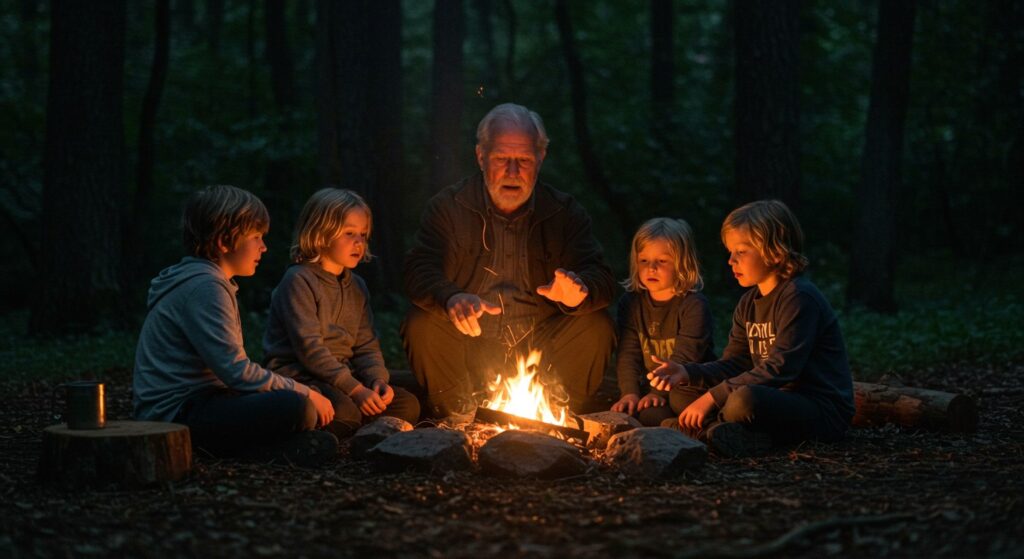
Sometimes the disconnect isn’t emotional, it’s just a lack of common ground. But that can be fixed. Grandfathers and grandkids can build bridges through shared hobbies like Gardening, puzzles, sports, storytelling, or even history. A grandfather’s war stories or tales from the past can come alive when framed as storytelling sessions. Grandkids love hearing “what it was like back then” when it’s engaging and authentic. Finding those intersections of interest is key to sparking connection and making the relationship feel relevant for both sides.
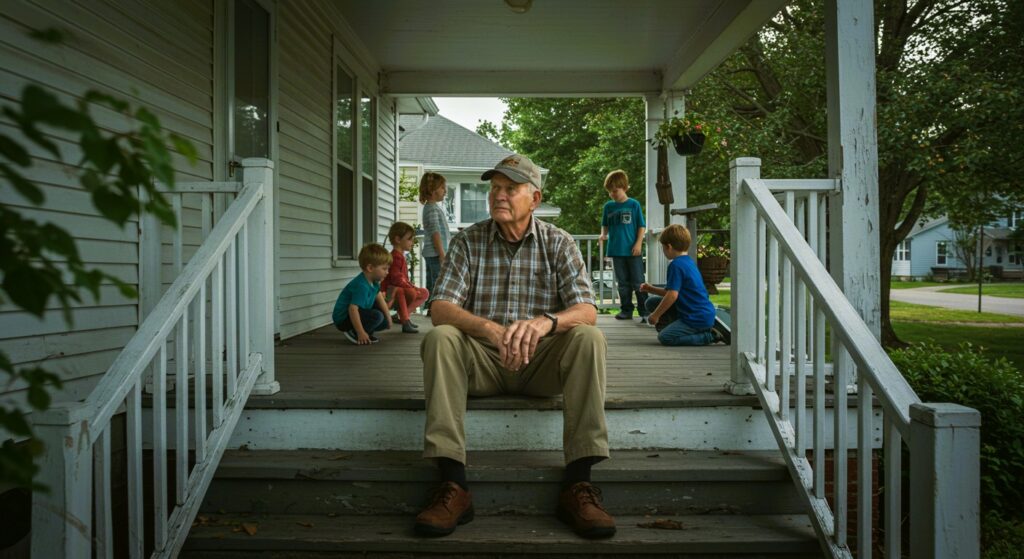
Grandfathers often struggle to connect with their grandchildren, not out of lack of love, but due to decades of cultural, emotional, and generational differences. From communication barriers and technological gaps to emotional walls and outdated expectations, the challenges are real—but they’re not impossible to overcome. With patience, effort, and a little vulnerability, grandfathers can forge powerful, lasting relationships with their grandchildren. It requires both sides to stretch, to try, and to meet each other in the middle. When they do, the result is a deeply enriching bond that leaves a lasting impact on both hearts.
For many grandfathers, bonding with their grandchildren offers a second chance to do things differently than they did as parents. It can be incredibly healing. That love, attention, and presence they now offer can mend old regrets and build something beautiful. It’s never too late to start fresh. Even small gestures—a kind word, a letter, a walk—can spark new beginnings.
Relationships between generations aren’t just about teaching—the learning goes both ways. Grandfathers can rediscover curiosity, joy, and even playfulness through their grandchildren. And grandkids benefit from the Wisdom, calm, and grounding that only time and experience can offer. It’s a two-way street of Growth, laughter, and love—if both are willing to walk it.