
Money may not buy happiness, but when it’s hidden and festering behind closed doors, especially within families with loans from grandparents, it can certainly sow seeds of distrust, guilt, and emotional chaos. Shadow debt, a growing yet under-discussed problem, often silently wrecks the harmony in multigenerational families. Particularly when grandparents are involved, the damage caused by hidden or poorly understood debts goes far beyond dollars and cents—it shatters trust, upends roles, and triggers a cycle of emotional and financial turmoil that can last for years.
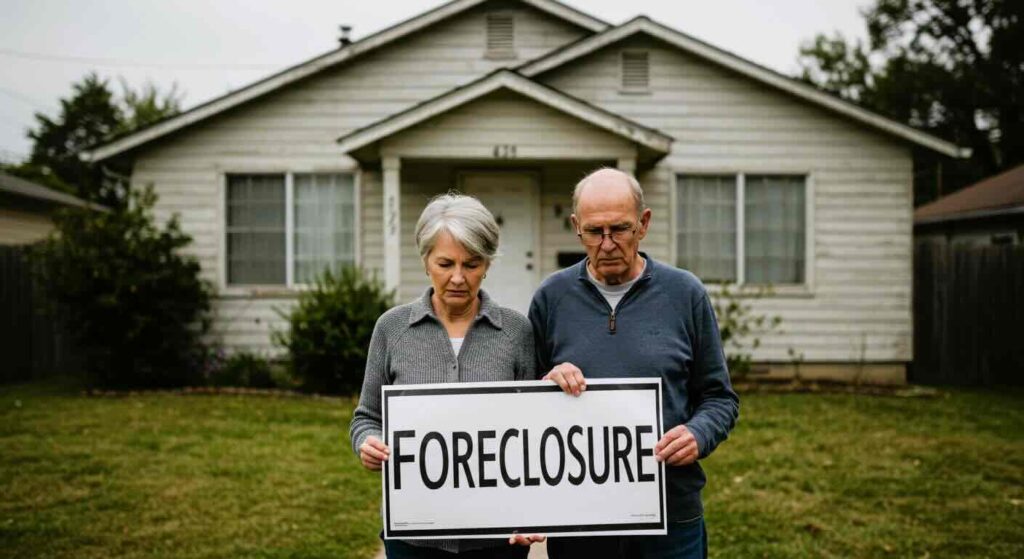
Shadow debt refers to unofficial, unregulated, or hidden financial obligations that aren’t always visible in traditional credit reports or bank statements. These debts often include payday loans, money borrowed from friends or relatives, informal lending agreements, or co-signed loans that have gone bad. In the case of grandparents, shadow debt might also stem from promises made to financially help their children or grandchildren—without fully understanding the long-term consequences.
Unlike formal debt, shadow debt lives in the shadows because it often doesn’t come with paperwork or legal structures. It’s the kind of financial burden that doesn’t show up until it’s too late—when someone is defaulting, getting eviction notices, or asking Family for “one last favor.” For older adults, this can be particularly perilous because they may lack the time, income, or energy to recover.
More insidiously, grandparents often incur shadow debt not for their own gain but to help their family—funding a grandchild’s tuition, co-signing a mortgage, or paying off a child’s overdue bills. These gestures, while rooted in Love, can backfire dramatically, leaving older adults trapped in financial chaos and emotionally isolated from the very people they were trying to support.
Each of these comes with its own risk and emotional weight. But what they all share is their potential to turn a loving family relationship into a battlefield of unmet expectations, silent resentments, and financial confusion.
Debt doesn’t just affect the wallet—it hijacks the mind. When grandparents are buried under financial obligations, especially ones they feel forced to keep secret, it can lead to serious emotional consequences. Shadow debt quietly builds up Stress over time, creating a constant sense of dread: Will I be able to pay this bill? Should I tell my family? What if I lose my home?
Elderly individuals who offer shadow debt often suffer from symptoms of:
These symptoms aren’t always obvious to family members. A once-active grandparent may start skipping family dinners, avoiding calls, or acting distracted during visits. In reality, they might be spending hours worrying about missed payments or how to juggle bills without letting their loved ones know what’s going on. Worse still, the generational mindset often teaches older adults that it’s shameful to talk about money problems. That “tough it out” attitude pushes them to suffer in silence, creating a toxic emotional loop where they feel alone, ashamed, and trapped.
One of the most heartbreaking parts of shadow debt is the fear it installs in the elderly. Grandparents often play the role of the family pillar—the wise one, the giver, the stabilizer. Admitting financial struggle feels like admitting failure. And with that comes the fear of losing their standing in the family hierarchy.
This fear drives many to keep their debt hidden at all costs. They might lie about their finances, pretend everything is fine, or secretly take out risky loans to cover up earlier mistakes. All of this is done not to deceive maliciously—but to preserve pride, maintain respect, and avoid becoming a burden. But the irony is devastating: the longer the elderly hide the debt, the more damage it does to their Relationships. Once the truth comes out—and it always does—the betrayal and shock felt by family members can be just as harmful as the financial loss itself.
Shadow debt doesn’t just strain current relationships—it creates lingering emotional scars. Adult children may feel guilty for having accepted help they now realize came at a heavy price. Grandchildren might resent being the unintentional cause of their grandparents’ financial distress. And grandparents themselves may swing between guilt and frustration: “I wanted to help, but now I feel punished for it.”
This emotional tug-of-war often leads to passive-aggressive behaviors, avoidance, and fractured communication. What started as a well-intended gesture—like helping a grandchild through college—can spiral into long-term resentment and emotional distance. These feelings, when unaddressed, can last for years. They taint family gatherings, make honest conversations difficult, and reduce the once-deep bond between generations to a polite but distant relationship.
Not all shadow debt is a disaster. In many cases, borrowing from loved ones can be a beautiful expression of trust, love, and community support. When done responsibly and with clear communication, these informal financial arrangements can lift people up and create lasting change.
I know a young entrepreneur who borrowed $3,000 from his grandfather to start a small online business. With a basic contract and a simple payment plan, he was able to launch his venture, turn a profit, and repay the loan within six months. Not only did he gain business, but he also strengthened his bond with his granddad, who felt proud to play a role in his success.
In tight-knit communities, shadow debt is often how people survive and thrive. Parents loan children money for tuition. Siblings support each other through medical emergencies. Friends pool funds to invest in each other’s dreams. These stories are common and inspiring—and they remind us that money can be a tool for connection, not just conflict.
The key difference between positive and negative shadow debt? Clarity, intention, and respect. When both parties are aligned, when expectations are clear, and when repayment is honored, these informal loans can be life changing. So yes, while it’s important to understand the risks of shadow debt, it’s equally important to recognize its potential. When done right, it becomes more than a transaction—it becomes a testament to the power of relationships.

Shadow debt is a complex, deeply human issue. It blurs the lines between financial support and emotional obligation, between trust and tension. Borrowing from friends and family can feel like the easiest option, but it’s often the messiest one. That’s because there’s no such thing as a “simple” loan when love, trust, and family are involved.
In too many cases, shadow debt is the silent destroyer of trust, Security, and love in multigenerational families. What begins as a well-intended act of support or sacrifice can morph into years of emotional strain, financial chaos, and fractured relationships, especially when kept hidden. Through open conversations, proactive planning, and clear boundaries, families can not only prevent shadow debt from forming but also can rebuild trust when it’s broken. Grandparents deserve to age with dignity, surrounded by love and support, not shame and secrecy. And families deserve relationships built on honesty, not hidden obligations.
The key takeaway? If you’re going to borrow or lend informally, treat it with the seriousness it deserves. Be clear, be honest, and be intentional. And if possible, consider alternatives that protect your relationships while still meeting your financial needs. Ultimately, money should never cost you the people you care about. Handle shadow debt with care—and always put communication and respect first.