
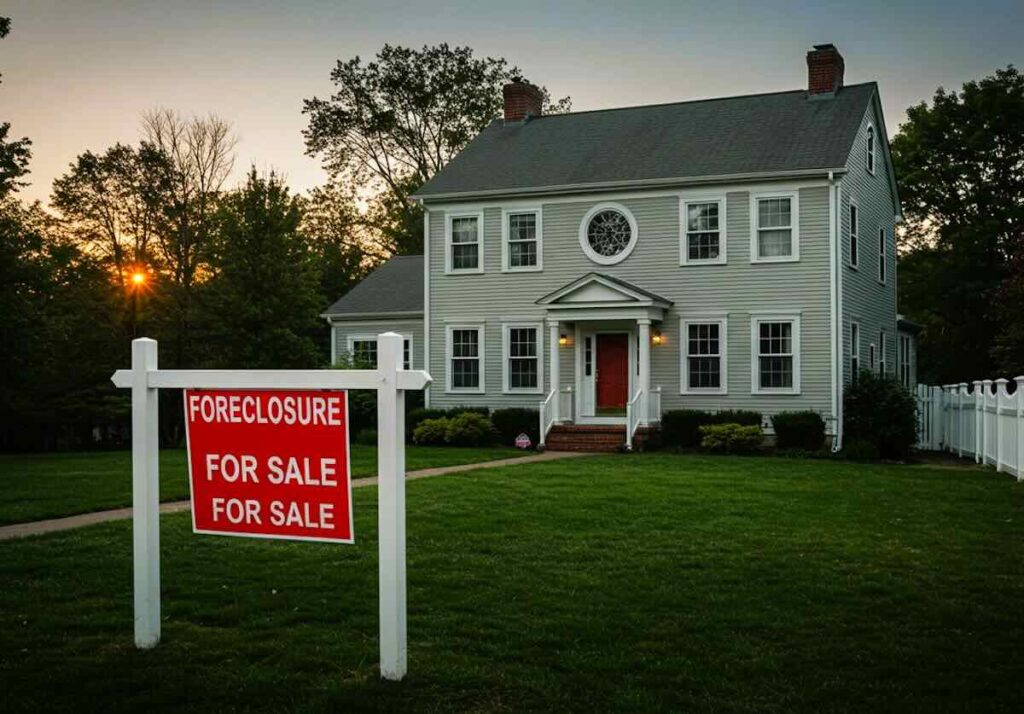
Foreclosure might sound like a terrifying word—and honestly, it can be. But the more you understand it, the better equipped you’ll be to navigate it. In simple terms, foreclosure is the legal process where a lender tries to recover the balance of a loan from a borrower who has stopped making payments. They do this by forcing the sale of the asset used as collateral—usually your home.
The process typically begins after a few missed mortgage payments. Lenders won’t usually jump into foreclosure after one or two late payments, but if you’re consistently behind (usually 90 days or more), they will send a Notice of Default. This notice is a formal warning that you’re in danger of losing your home. After this, if payments aren’t caught up or arrangements aren’t made, the lender moves forward with foreclosure proceedings, and you might receive a Notice of Sale or similar document, depending on your state. Each state has its own rules—some use judicial foreclosure (which involves the courts), while others follow non-judicial foreclosure procedures, which are faster and don’t require court involvement. Either way, once the process is initiated, time becomes your biggest enemy. Understanding this flow is critical. Many people assume they have no rights once foreclosure starts, but you do. Foreclosure is a process, not an overnight event. That means there are steps you can take to fight it, stall it, or even avoid it entirely—no matter what your age or situation is.
Foreclosure doesn’t discriminate against your age. It affects the young, the old, the single parent, the business owner, the retiree—anyone can be vulnerable when life throws a curveball. The most common reasons people end up in foreclosure include:
You’re not alone if you’re facing foreclosure. Understanding the “why” behind it can help you build a strategy to deal with it—and eventually overcome it.
Let’s not sugarcoat it—foreclosure is emotionally brutal. It’s not just about losing a house. It’s the loss of Security, stability, and sometimes, self-worth. The fear of the unknown, the shame of financial struggle, the worry about where you’ll go next, it all adds up. You might find yourself lying awake at night, dreading the knock on the door. Or maybe you’re afraid to open mail or answer the phone, knowing it could be another bill collector. This kind of chronic Stress can impact your physical Health too—causing headaches, high blood pressure, and even heart problems. You’re not alone. Millions of people have faced foreclosure. It’s not a reflection of who you are, it’s just a tough chapter, not the whole book. Talk to someone about it. Whether it’s a friend, family member, or professional counselor, expressing your fears and frustrations helps lighten the emotional load. Don’t bottle it up. It’s okay to feel what you feel—just don’t let it paralyze you.
Foreclosure doesn’t just affect the individual—it sends shockwaves through the entire household. If you have children, the stress can trickle down to them. Kids are more observant than we give them credit for, and the tension in the home can affect their behavior and Mental Health. Relationships between partners can suffer too. Financial strain is one of the leading causes of conflict and even separation. One partner may feel blamed, while the other feels helpless or unsupported. Communication becomes strained, and resentment can build.
So how do you survive this? First, get on the same page with your loved ones. Share your concerns, your plans, and your fears. Be honest but hopeful. Let your children know that while things may change, they’re safe and loved. Foreclosure is a shared experience, and facing it together makes you stronger. It’s tough, yes. But many families have come out of foreclosure stronger, closer, and more financially savvy than ever before. Let this be a turning point—not the end.
Facing foreclosure during Retirement hits differently. After decades of working, saving, and dreaming of a peaceful retirement, the threat of losing your home can feel devastating. Unfortunately, it’s a growing problem, especially for seniors living on fixed incomes, with rising medical costs and unexpected expenses. One major challenge older adults face is a lack of flexibility. You may not be able to go back to work easily. You may have fewer assets to draw from or may already have downsized. If you’ve lived in your home for years, there may also be emotional attachments and Aging-in-place considerations to weigh. Another issue is equity. Many retirees have homes that are almost or fully paid off. But rising property taxes, HOA fees, or unexpected repairs can still drive financial hardship. And sadly, some seniors are targeted by predatory lenders or fall victim to reverse mortgage scams.
If you’re a retiree facing foreclosure, it’s vital to explore every option. You may qualify for government aid, reverse mortgage counseling, or state-level senior housing programs. Don’t be ashamed to ask for help—losing your home doesn’t mean losing your dignity. Your life experience and Wisdom are valuable tools in rebuilding, even later in life.
Let’s clear up some of the biggest myths that keep people stuck or misinformed:
Myth 1: “Foreclosure happens overnight.”
Nope. It’s a process—often taking several months or even over a year. You have time to respond, fight back, and explore alternatives.
Myth 2: “You have to leave your home as soon as foreclosure starts.”
Wrong again. You have legal rights and can often stay in your home during the entire process, and sometimes even after the auction, until an official eviction is processed.
Myth 3: “If I lose my house, I’ll never own again.”
False. Many people buy again after a few years of rebuilding credit. It’s not easy, but it’s possible—and plenty of people do it. And as a senior, we still have many years left if we want to own again.
Myth 4: “Lenders want to take your home.”
Actually, foreclosure is expensive and time-consuming for lenders. Most would rather work with you than repossess the property.
Myth 5: “You can’t do anything once the foreclosure process starts.”
Totally false. You can negotiate, seek legal help, apply for loan modifications, or even sell the home yourself—up until the very last moment.
Don’t fall for myths. The more you understand, the more empowered you’ll be to act wisely and confidently in preparing for life after foreclosure.

Foreclosure is not just a financial setback, it’s an emotional, mental, and sometimes spiritual battle. But it’s one you can survive. No matter what your age or situation, foreclosure doesn’t have to mean the end of your stability, dreams, or dignity. Whether you’re a retiree on a fixed income, a young adult finding your financial footing, or a family caught off guard by an economic storm, you can come back from this. The journey might be tough, but it’s also rich with opportunity to rebuild stronger, smarter, and more secure than before. Take the time to explore your options. Talk to your lender. Seek out legal and financial help. Build a support network of people who understand and care. Take control where you can and let go of what you can’t.
Yes, the system can be complicated, and the path may feel overwhelming—but every step forward, no matter how small, brings you closer to recovery. You’ve made it this far. Keep going. The future you want is still within reach no matter how old you are.