

Loneliness. It’s more than just being alone, it’s the gnawing emptiness that lingers even in a crowd, the silence that echoes louder than noise. If you’ve ever asked yourself, “Why am I so lonely?”, you’re not alone. That single question echoes across the hearts of millions around the globe, across ages, cultures, and backgrounds. In today’s hyper-connected world, it’s paradoxically more common than ever to feel disconnected. So, why does this void persist, and what can we do about it?
Loneliness isn’t just about being physically alone, it’s about feeling emotionally or socially disconnected. At its core, loneliness is a signal. Just like hunger tells you to eat, loneliness tells you something important: you need meaningful social connection. Solitude and loneliness are not the same. Solitude can be peaceful, chosen, and restorative. Loneliness, on the other hand, is painful, involuntary, and draining. It often comes with feelings of being misunderstood, invisible, or left out. Imagine being in a room full of people and still feeling like no one notices you—that’s loneliness.
From a psychological standpoint, loneliness is defined as the gap between the social Relationships you have and the ones you desire. It’s that mismatch that creates emotional pain. You could be married and feel lonely. You could have 5,000 followers online and still feel like no one truly knows you. It’s not the quantity of connections but the quality that matters. Understanding loneliness as an emotional signal helps us realize it’s not something to be ashamed of, it’s something to pay attention to. Your body and brain are telling you something deeply human is missing -connection, understanding, presence.

So, what causes loneliness? Turns out, it’s not just about lacking friends or a partner. Many interconnected factors contribute to feeling isolated, and they often sneak up on us without warning.
Life Transitions and Changes-Major life shifts—like graduating, starting a new job, moving, or losing a loved one—can throw your social world into disarray. You may lose your routine, support systems, or familiar faces, leading to sudden isolation.
Technology and social media-We’re more “connected” than ever, yet we’ve never felt so alone. Social media creates a false sense of connection and fosters comparison. Watching everyone else’s highlight reel can make you feel like you’re the only one struggling or left out.
Mental Health Issues-Anxiety, Depression, and Trauma often make it harder to reach out or maintain connections. They also distort how you perceive others’ intentions, leading you to misinterpret kindness or retreat out of fear.
Relationship Breakdowns-Divorce, breakups, Family conflicts, and toxic friendships all leave emotional scars. You may find it hard to trust again, or you might feel rejected and unwanted.
Physical Isolation-Living alone, working remotely, or being physically distant from loved ones contributes to prolonged isolation. Even if it’s not emotional, that daily lack of interaction can chip away at your sense of connection.
Each of these causes can layer on top of the others, creating a feedback loop that feels impossible to break. But by identifying what’s contributing to your loneliness, you can take steps toward healing.
Did you know that your experiences as a child can shape your feelings of loneliness as an adult? It’s true. The way you connected—or failed to connect—with your caregivers plays a huge role in how you form relationships later in life. If your emotional needs were unmet as a child, if you were made to feel invisible, unheard, or unimportant—you may grow up internalizing that you’re not worthy of attention. That belief can create barriers to forming deep, meaningful relationships. Growing up in a home with constant conflict, emotional distance, or overprotectiveness can warp your understanding of connection. You may either become overly dependent or emotionally shut off, making loneliness a recurring theme in your life.
Psychologists often talk about attachment styles—secure, anxious, avoidant, or disorganized. These styles form early and influence how we relate to others. If you have an anxious or avoidant attachment style, you might struggle with Intimacy or push people away even when you crave closeness. Understanding these early influences doesn’t mean blaming your parents or your past—it means becoming aware of the patterns so you can change them. Healing starts with awareness.
Social media was designed to connect us—but it often does the opposite. Instead of feeling closer, we end up scrolling through curated lives that make us feel like outsiders. You might have hundreds of friends online, but how many of those relationships are real? Clicking “like” or replying with an emoji doesn’t provide the emotional nourishment we crave. It’s surface-level interaction that leaves us hungry for more.
Social media is a highlight reel. When you see everyone posting about their relationships, vacations, or night outs, it’s easy to feel like you’re missing out. But you’re comparing your behind-the-scenes to someone else’s polished performance. That comparison fuels feelings of inadequacy and loneliness. When we spend hours glued to our screens, we often neglect real-world interactions. Instead of calling a friend or grabbing coffee with someone, we retreat into the digital world—furthering our sense of isolation. Even worse, we may start to lose the skills and confidence needed for face-to-face connection. To combat this, consider a digital detox or at least a reset on how you use social platforms. Prioritize real conversations over passive scrolling.
Loneliness doesn’t have to be a life sentence. While it might feel like a massive mountain to climb, there are proven strategies to reconnect—with others and with yourself.
Building Meaningful Connections-Start by prioritizing depth over breadth. It’s not about how many friends you have, but how emotionally connected you feel. Invest in relationships where you can be authentic, vulnerable, and heard. Reach out to someone you’ve drifted from. Join a local club, support group, or community class that aligns with your interests.
Reconnecting with Yourself-A surprising but vital part of healing from loneliness is learning to enjoy your own company. When you genuinely like and accept yourself, you become less reliant on external validation. Spend time alone doing things that make you feel alive—reading, hiking, painting, journaling. Rediscover who you are when no one is watching.
Practicing Vulnerability-Being open and honest about your feelings is scary—but necessary. Vulnerability is the bridge to intimacy. Start small: share how you feel with someone you trust. Let people know you want to connect. That small crack in the armor often invites others to do the same.
Overcoming loneliness takes time, but it begins with small, intentional steps. Start with just one today.
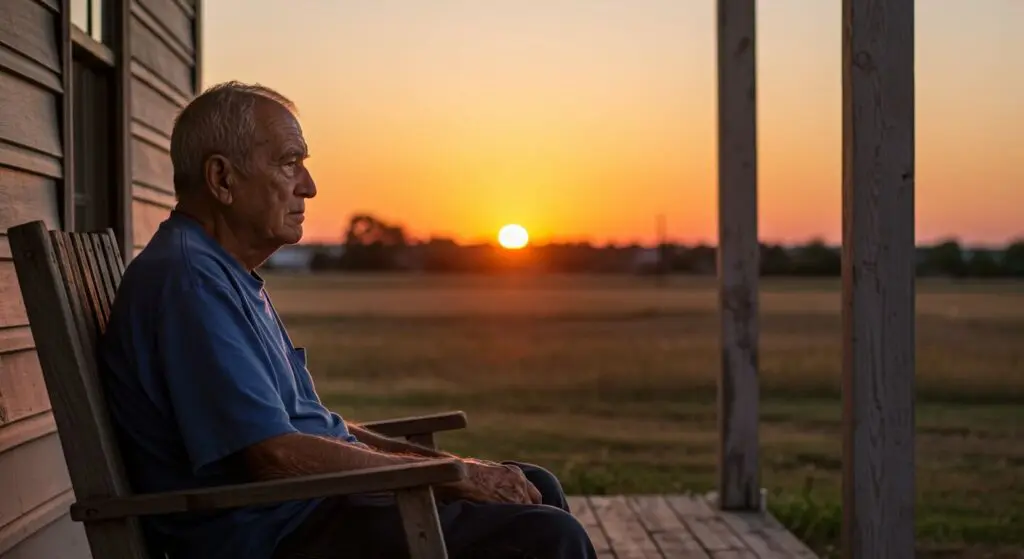
Loneliness is one of the most painful experiences we face, but it’s also one of the most human. If you’re asking, “Why am I so lonely?”—you’re not broken. You’re not alone in your aloneness. You’re just a person longing for connection, and that’s something we all need. The journey from loneliness to connection starts with awareness. It continues with self-compassion, honesty, and action. Whether it’s making one new friend, seeking Therapy, reestablishing routines, or simply learning to enjoy your own presence, every step counts.
Remember: loneliness is a chapter, not your whole story. You have the power to write a new one—one filled with connection, purpose, and peace.