

Music is truly one of the few experiences that transcends geographical boundaries, linguistic differences, and societal structures. It doesn’t matter where you’re from, every culture, from the most isolated tribes to the most technologically advanced societies, creates and cherishes music. This universal presence speaks volumes about its importance. In schools, music introduces students to sounds and traditions from all over the world, helping them appreciate other cultures and fosters inclusivity.
In life, music becomes the thread that binds humanity together. Weddings, funerals, protests, celebrations—all are steeped in musical tradition. You might not understand the lyrics of a French ballad or an Indian bhajan, but you can feel its emotion, its story. That’s the magic of music—it bypasses the brain’s logical processes and goes straight to the heart. It speaks without speaking.
This cultural bridge also plays a significant role in diplomacy and peace-building efforts. International festivals and collaborative musical events bring together people from conflicting nations, creating a platform for unity. It’s no surprise then that music is considered a powerful tool in shaping a more empathetic and understanding society. So, in a sense music has changed all of our lives…

Everyone has experienced that moment when a song captures exactly how they feel. Maybe it was heartbreak, joy, longing, or hope. Music gives voice to Emotions that are often hard to express. For students, especially those navigating the complexities of adolescence, music provides a safe outlet. Whether it’s through singing in a choir, composing lyrics, or simply listening to their favorite songs, young people find a non-verbal way to process and communicate their feelings.
In life, this emotional outlet becomes even more crucial. Adults dealing with Stress, Anxiety, or Trauma often turn to music as a form of self-Therapy. Music therapy is now a recognized field, used in hospitals, rehabilitation centers, and counseling offices worldwide. Playing an instrument, writing songs, or even rhythmic drumming can offer therapeutic benefits, helping people to manage emotions and Mental Health challenges. Music also enhances emotional intelligence. It trains us to listen deeply, to pick up on nuances, to empathize. Whether it’s the sad violin in a movie score or the triumphant beat of an anthem, our emotional vocabulary expands through musical experience.
Music isn’t just good for the soul; it’s good for the brain too. Studies have consistently shown that students involved in music Education have better memory retention and improved concentration. Why? Because playing an instrument or learning a song engages multiple parts of the brain simultaneously. You’re reading, listening, processing, and executing all at once. Think about learning to play the piano. You have to remember the notes, understand rhythm, coordinate both hands, and keep time in real-time. That kind of brain workout strengthens neural connections and builds long-term cognitive benefits. This isn’t just theory; brain scans of musicians show more developed areas related to memory and attention. Even for non-musicians, music has incredible effects on focus. Background music, particularly classical or instrumental, has been found to enhance concentration while studying or working. In classrooms, incorporating musical activities can keep students engaged and help with the retention of complex concepts. Songs and rhymes are often used in early education for exactly this reason—they help young minds absorb information more effectively.
There’s a strong correlation between music and language development. Phonological awareness, vocabulary, pronunciation—these are all enhanced through musical training. Singing requires precise control of pitch and tone, which mirrors the way we modulate speech. Children who engage in music often show better reading skills and verbal fluency. For kids with speech delays, music therapy can be a breakthrough tool. But that’s not all. Music also sharpens mathematical skills. Rhythm is, in essence, math. Beats per minute, note durations, time signatures—these all involve counting, patterns, and ratios. Music trains the brain to recognize and predict patterns, a foundational skill in mathematics. In fact, many top-performing math students are also musically inclined. In schools, integrating music with language arts and math lessons leads to higher engagement and comprehension. Life-wise, these cognitive benefits persist into adulthood, providing sharper mental faculties and even delaying cognitive decline in older age.
Music isn’t just an emotional outlet—it’s an emotional educator. Listening to and performing music enhances emotional intelligence by exposing students to complex human feelings. When a child plays a melancholic melody or sings lyrics about hope, Love, or loss, they start to connect those emotions with their own experiences and those of others. This kind of exposure is essential for developing empathy. Kids learn to understand and appreciate emotions that might be different from their own. They begin to ask questions: Why does this song feel sad? What might the songwriter have experienced? These reflections deepen emotional awareness and sensitivity. In adulthood, these emotional skills make a huge difference. Whether you’re navigating Relationships, Parenting, or leadership roles, the ability to read and respond to emotional cues is crucial. Music shapes more compassionate, emotionally intelligent individuals who are better equipped to handle the ups and downs of life with understanding.
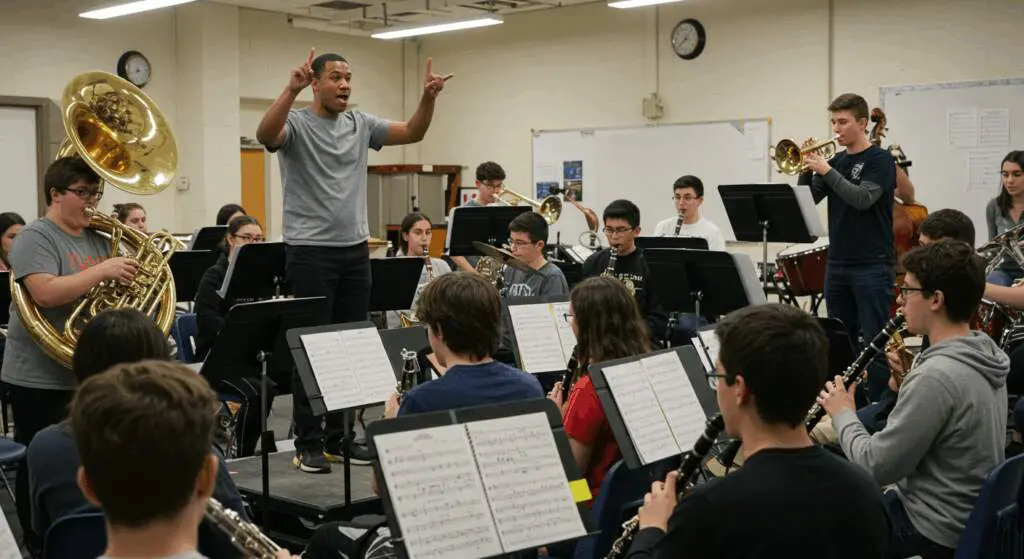
Music doesn’t end when school does. For many, it becomes a lifelong companion—a source of joy, a creative outlet, and a way to unwind. People who were introduced to music at a young age often carry that passion into adulthood, whether they’re playing in community bands, joining choirs, producing digital music, or simply enjoying live concerts.
Having a musical hobby is more than just fun—it contributes to overall life satisfaction. It provides a constructive escape from stress, a chance to connect with others, and a reminder that creativity doesn’t have an expiration date. It also combats loneliness in older adults, by fostering social connections through music communities. Lifelong engagement with music keeps the brain active, the heart full, and the mind open. It’s an investment that pays off in happiness, well-being, and personal fulfillment.
Music heals in ways words cannot. It has been used in therapy to treat everything from Depression and PTSD to speech delays and Alzheimer’s. In hospitals, calming music helps patients manage pain. In rehab centers, rhythmic movement to music aids physical recovery. And in mental Health settings, songwriting or instrumental play helps people process trauma. Music taps into deep emotional centers of the brain. It allows people to access feelings and memories that might otherwise remain buried. Music doesn’t judge. It meets you where you are, offering comfort, release, and hope.
Ever notice how listening to your favorite song instantly lifts your mood? That’s not coincidence, it’s biology. Music reduces cortisol levels, lowers blood pressure, and releases dopamine, the brain’s “feel-good” chemical. In a high-stress world, these effects are nothing short of therapeutic. Music becomes a daily sanctuary. Whether it’s a calming playlist after a tough day or rhythmic breathing exercises set to soft background music, it plays a huge role in emotional regulation. People even use binaural beats or ambient tracks to manage Sleep disorders and boost productivity. Music helps you breathe deeper, think clearer, and feel more grounded. It doesn’t fix problems—but it gives you the strength and serenity to face them.
Music becomes a lifeline in times of emotional crisis. Songs become the companions through breakups, loss, illness, and personal upheaval. It helps us cry when we need to, and smile when we thought we couldn’t. We all turn to music during our darkest moments. It becomes the soundboard for our souls—helping us cope, heal, and find meaning even in sorrow. Music doesn’t remove the pain, but it makes it bearable. It reminds us that we’re not alone.
In everyday life, simply listening to a favorite song can shift your mood, reduce anxiety, or rekindle motivation. Music becomes the background to your most meaningful moments—your first dance, your quiet reflections, your battles and victories.
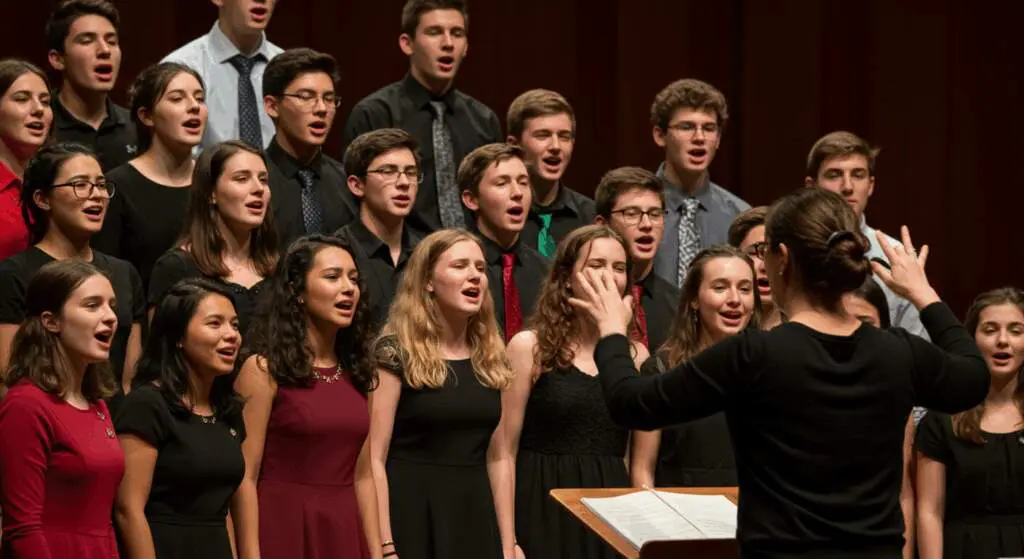
Music is far more than a background tune—it’s a powerful, life-enhancing force. In schools, it nurtures cognitive Growth, emotional intelligence, academic performance, creativity, and social skills. It gives students tools to express themselves, connect with others, and discover who they are. In life, music continues to enrich our experiences, offering comfort, healing, joy, and purpose.
From early childhood to old age, music plays a vital role in shaping our minds and hearts. It teaches us to listen, to feel, to collaborate, and to dream. It helps us learn better, live fuller, and connect more deeply with the world around us. If we want to raise well-rounded, empathetic, intelligent individuals, we must treat music not as a luxury—but as a necessity so it can help change their lives, also…