
Photo by Toni Reed on Unsplash
In 2023 U.S. Surgeon General Dr. Vivek H. Murthy declared that Americans were experiencing an epidemic of loneliness and social isolation. An AARP survey in 2025 reported that 40% of adults aged 45 and older reported feeling lonely.
My first impression on reading this was that it must be referring to older adults living alone (“solo agers”), but I was mistaken. For one thing, you don’t have to be living alone to feel lonely. You can be surrounded by people and still be lonely. And for another, many people who live alone do so by choice.
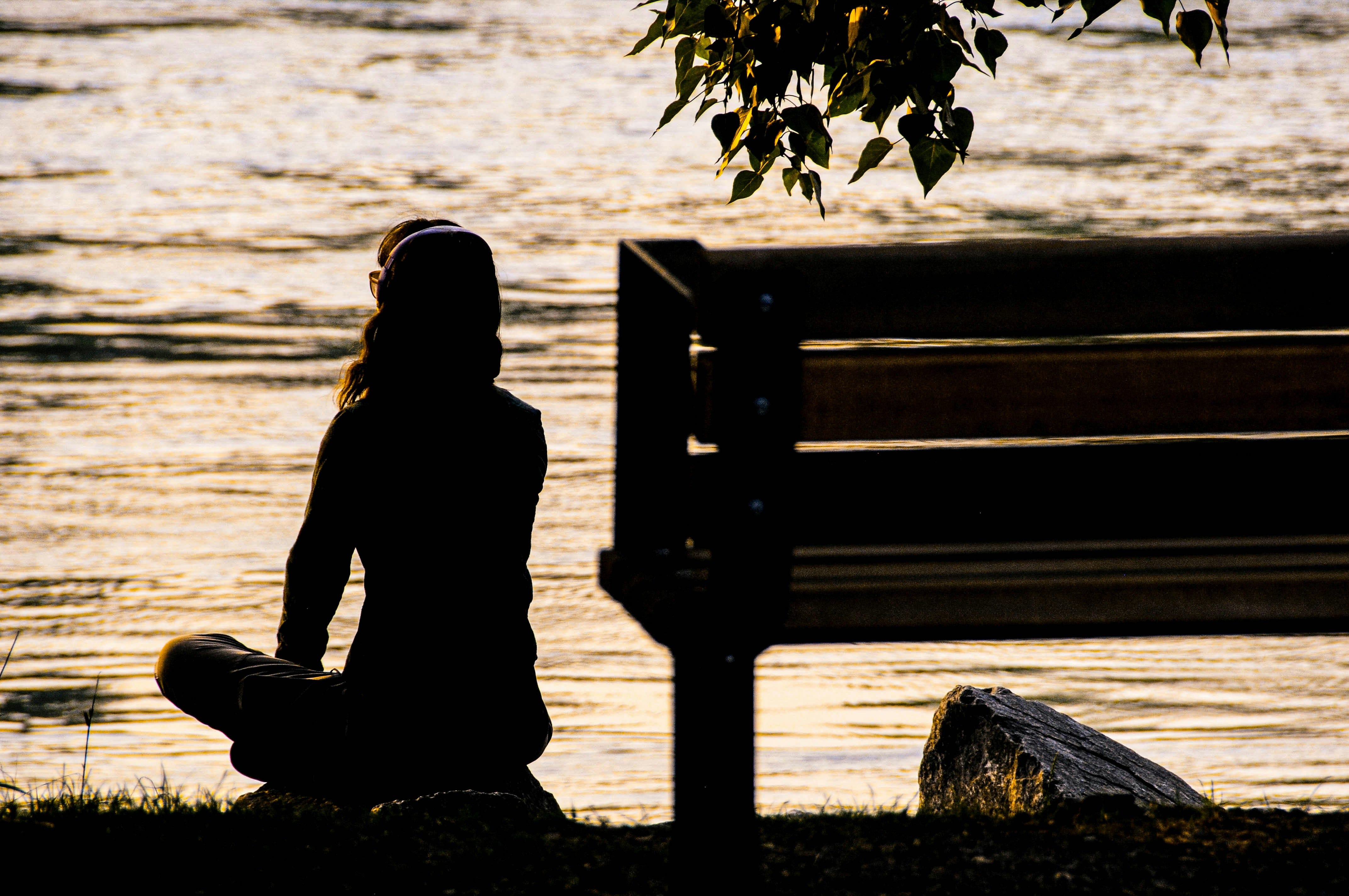
Solitude is not the same as loneliness. Being alone is a physical state. Loneliness is an emotional state.
My roommate for two years in college has, to the best of my knowledge, lived alone ever since (perhaps as a direct result of our roommate experience). A world traveler and successful executive, he is by no measure lonely or isolated. And my mother-in-law had no problem living alone for 45 years after her Divorce. It didn’t keep her from enjoying an active social life of concerts, performances, and Family ties.
This is not to make light of loneliness and social isolation, two conditions that frequently overlap. Both are widespread and pose serious health risks. The lonely or socially isolated are more likely to be admitted to emergency rooms and Nursing homes. Both conditions are associated with higher risks for high blood pressure, Heart Disease, Anxiety, Depression, cognitive decline, obesity, weakened immune function, and death. The emotional pain of loneliness can activate the same Stress responses as physical pain, and that stress can lower immunity, leaving the body more vulnerable to chronic and infectious diseases.
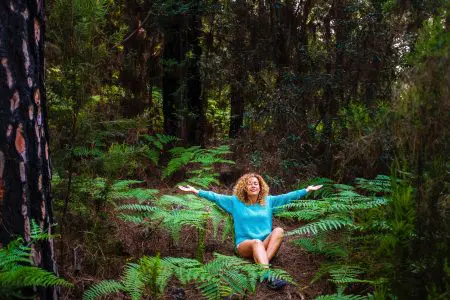
But some people – and I know this because I am one of them – seek solitude, prefer solitude, need solitude. We can spend considerable time alone and still not be lonely, because we happen to be comfortable with our own company. As the archetypal loner Henry David Thoreau put it, “I never found the companion that was so companionable as solitude.”
The common prescription for loneliness, of course, is to reach out to others and engage more socially. Those of us who enjoy our solitude would rather not.
“I know what the Experts say. I must be diligent about maintaining social contact,” writes Georgia Kreiger, an English professor, poet, and essayist who enjoys her time alone. “But how much social contact do I need? How many meaningful Relationships must I have? And with whom?”
We live in a culture waging a quiet war against solitude, argues RJ Starr, a theorist in integrative psychology. In an essay exploring solitude and loneliness, he writes that many struggle with solitude “in a culture that prioritizes productivity and stimulation” and don’t know “how to be alone without anxiety.” Solitude is often interpreted as a personal failure. He suggests that “in a culture that rewards constant communication and punishes quiet withdrawal, reclaiming solitude is a subversive act.”
Just as there are people who prefer solitude, there are others who find it agonizing. Starr says many people fear being alone because the quiet might force them to confront “unmet needs, emotional injuries, or the vast space between the life we are living and the one we long for.”
Or they may just be extroverts, who need human contact to feel truly alive.
Kim Samuel, the author of On Belonging: Finding Connection in an Age of Isolation, makes the counterintuitive suggestion that solitude actually can be an antidote to loneliness. “When we know ourselves, we are better able to know others,” she writes. “When we feel at home in the here and now, we feel more at home in the world at large.”
I don’t know about that. I only know that I and my fellow introverts socialize when necessary but find these interactions a serious drain on our energy. We need periods of solitude to recharge our batteries. But that doesn’t make us lonely.