The sudden death of Sen. Lindsey Graham has created more than a political vacancy in South Carolina. It has also raised an urgent question about the special election that will determine his successor:
Can South Carolinians trust the state’s voter rolls?
Investigative journalist Alison Greene says the answer should not be assumed.
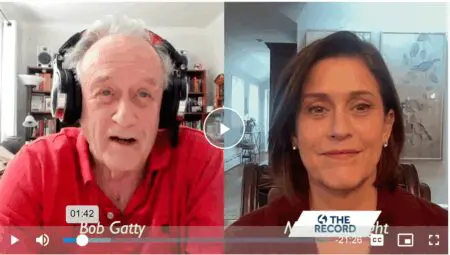
In a new Lean to the Left interview, Greene explains that she has begun filing public-records requests for voter-registration data in South Carolina counties. Her goal is to compare voter rolls over time and identify registered voters who may have disappeared, unexplained additions, suspicious addresses, or other irregularities before the special election takes place.
“I would Love to build a team in South Carolina where we can start scrutinizing those records to make sure that everything is good before the election,” Greene told host Bob Gatty.
Greene believes the final 90 days before an election deserve particularly close attention because changes to voter-registration records during that period may not be discovered until voters arrive at the polls.
A voter may believe he or she is properly registered, only to be told on Election Day that no valid registration can be found. The voter may then be allowed to cast a provisional ballot, but that ballot may not count unless the registration problem is resolved.
Greene described cases she has examined in which longtime voters appeared on one version of a voter roll but were missing from a later version. Some removals may be legitimate because a voter moved, died, requested removal, or failed to respond to official notices. But Greene argues that unusual changes should be investigated rather than automatically accepted as proper.
Her proposal is straightforward: obtain voter files at regular intervals, compare them, identify changes, and contact voters or election officials when questions arise.
Greene’s concerns extend beyond routine voter-list maintenance.
She discussed past warnings that voter-registration databases may be vulnerable to hacking or outside manipulation. A malicious actor, she said, would not necessarily need to alter vote totals. Changing an address, county, status, or other field in a registration record could be enough to prevent an eligible voter from casting a regular ballot.
The interview also revisited Greene’s concerns about so-called “ghost voters”—records associated with people who may not exist, do not live at the listed address, or may have been created using false information.
Those claims remain allegations requiring verification. Greene’s position is that the records should be examined carefully so legitimate voters are protected while questionable registrations are referred to the proper authorities.
Greene says she needs South Carolinians to help with several parts of the project.
Some volunteers can file Freedom of Information Act or state public-records requests with county election officials. Others can compare voter files and look for names that have been added, removed, or altered. Campaign volunteers may also be able to verify questionable addresses through canvassing.
“This is something that people can do in their living room,” Greene said, explaining that volunteers can compare one voter list with another and flag changes that deserve further investigation.
Greene is also encouraging voters to check their own registration status well before the election.
The special election is expected to draw intense attention because its outcome could affect the balance of power in Washington. Democrat Dr. Annie Andrews is preparing to compete against the eventual Republican nominee.
But the issue of voter-roll accuracy should not be partisan.
“If Annie Andrews wins, so much the better,” Gatty said during the interview. “But if she doesn’t, at least we know it will have been fair.”
That is the standard every South Carolinian should demand: eligible voters must be allowed to participate, improper registrations must be addressed, and the final result must reflect the will of the people.
Greene’s message is not that fraud in South Carolina has been proven. It is that confidence must be earned through transparency, oversight, and verification.
To volunteer with Greene’s voter-roll project, visit:
This interview is part of Lean to the Left’s Truth Under Attack series, which examines election integrity, investigative journalism, whistleblower protections, media freedom, and threats to democratic accountability.
The post Can South Carolina Trust Its Voter Rolls After Lindsey Graham’s Death? appeared first on Lean to the Left.